Best Fertility Centre – Dr. Swapna Naik

Author: Swapna

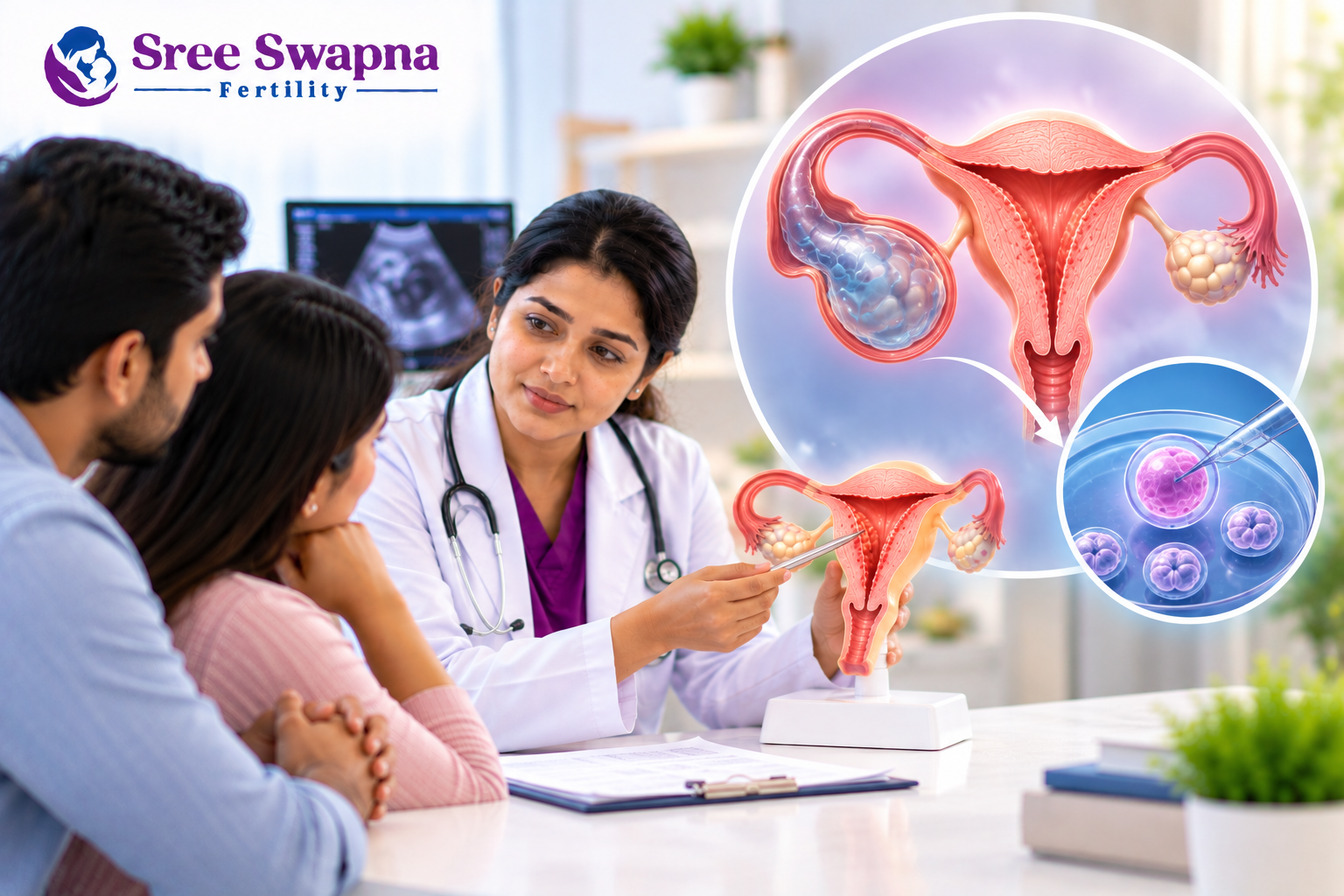
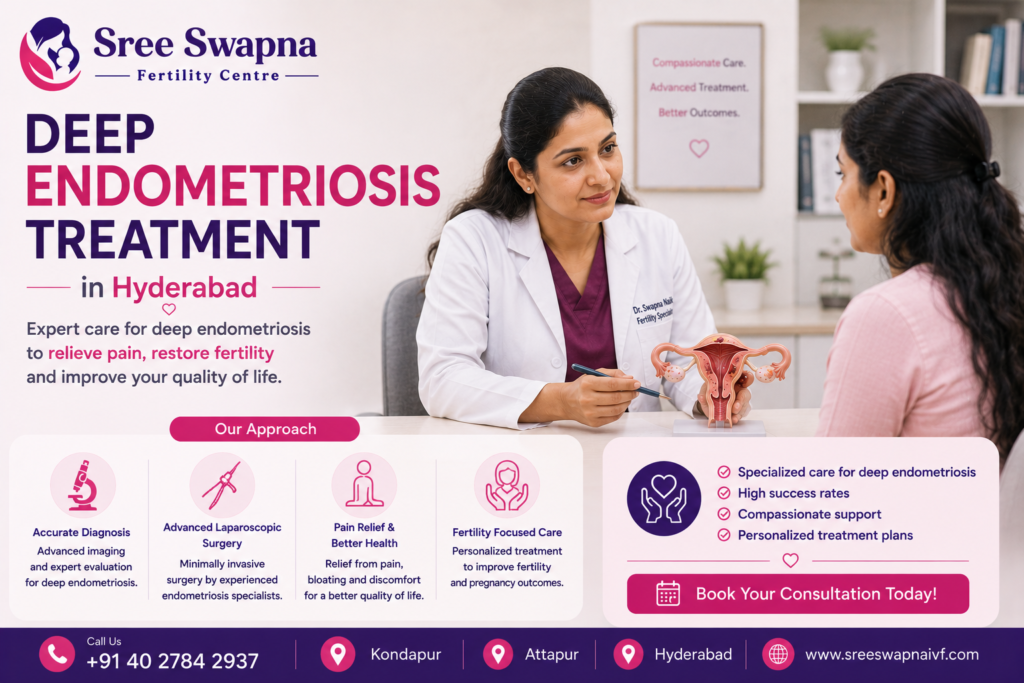
Not all endometriosis looks the same under the surface. Deep infiltrating endometriosis (DIE) is considered the most severe form of the disease — penetrating deeply into pelvic structures rather than sitting superficially on the peritoneal surface.

This guide explains what makes DIE different, where it commonly occurs, and how surgical treatment is approached when multiple pelvic structures are involved.

What Makes Endometriosis “Deep”?

Endometriosis is generally classified into three types:

  • Superficial (peritoneal) endometriosis — lesions on the surface lining of the pelvis
  • Ovarian endometriosis — chocolate cysts (endometriomas) on the ovaries
  • Deep infiltrating endometriosis (DIE) — lesions penetrating more than 5mm beneath the surface, into deeper pelvic structures

DIE is found in roughly 10–20% of women with endometriosis, and it’s associated with more significant pain and, often, more complex surgical treatment.

Where Does Deep Infiltrating Endometriosis Occur?

DIE can affect several structures, sometimes simultaneously:

  • Uterosacral ligaments — one of the most commonly affected sites
  • Pouch of Douglas (retrocervical area) and the rectovaginal septum — frequently involved, often causing deep pain during intercourse
  • Parametrium — the tissue extending from the uterus toward the pelvic sidewall; posterior involvement here is seen in a majority of DIE cases, and lateral involvement, while less common, is linked to more severe pain and urinary symptoms
  • Bladder — a specific subtype we’ve covered in detail separately
  • Bowel (rectum and sigmoid colon) — another specific subtype covered in detail separately
  • Ureters — less commonly affected, but important to check for, since ureteral involvement can silently affect kidney function if missed

Because DIE frequently involves more than one of these areas at once, thorough imaging and surgical planning matter enormously.

Symptoms of Deep Infiltrating Endometriosis

  • Severe, often progressively worsening period pain
  • Deep pain during intercourse
  • Chronic pelvic pain, not limited to menstruation
  • Symptoms specific to the affected organ — for example, urinary symptoms with bladder involvement, or bowel symptoms with rectosigmoid involvement
  • Infertility, in some cases

How Is DIE Diagnosed?

  • Transvaginal Ultrasound: Often the first step, and increasingly effective at detecting deep lesions when performed by an experienced specialist
  • MRI: Provides more detailed mapping of lesion location and depth, particularly important for surgical planning when multiple structures may be involved
  • Careful Assessment for Ureteral Involvement: Since this can be present without obvious symptoms, specific attention during imaging is important

Accurate pre-surgical mapping is one of the most important factors in planning safe, effective DIE surgery.

Treatment Options for Deep Infiltrating Endometriosis

Medical (Hormonal) Treatment

Hormonal options — including birth control pills, progestins like dienogest, and GnRH agonists or antagonists — can meaningfully reduce pain and, in some documented cases, shrink lesions. However, this effect is generally temporary, and symptoms typically return once treatment is stopped, since the underlying tissue isn’t removed.

Surgical Treatment

Laparoscopic excision surgery is considered the gold standard for DIE, aiming to remove the full depth of affected tissue — not just the visible surface — across whichever structures are involved.

Key surgical principles include:

  • Complete, margin-free excision, which is associated with better long-term pain relief and lower recurrence, compared to superficial ablation techniques
  • Nerve-sparing surgical technique, which carefully preserves the pelvic nerves running near affected ligaments and tissue, reducing the risk of post-operative bladder or bowel dysfunction
  • Multidisciplinary surgical teams, since DIE affecting the bowel, bladder, or ureters at the same time often requires coordinated input from colorectal or urological surgeons alongside a gynaecological surgeon, to safely and completely address all affected areas in one procedure

Why DIE Surgery Is More Complex Than Standard Endometriosis Surgery

Because DIE can distort normal pelvic anatomy and involve multiple organs simultaneously, surgery requires more extensive planning, longer operative time, and — in cases involving the bowel or ureters — a coordinated surgical team. This is very different from surgery for superficial endometriosis or an isolated ovarian cyst, and it’s an important distinction to understand when discussing your treatment options.

Is There a Permanent Cure for DIE?

There’s no guaranteed permanent cure for endometriosis, including its deep infiltrating form. However, complete, margin-free surgical excision by an experienced surgical team offers the best chance of long-term pain relief and lower recurrence, compared to medical management alone or incomplete surgical removal.

Deep Infiltrating Endometriosis Treatment at Sree Swapna Fertility Centre

DIE requires a specialist comfortable with complex pelvic anatomy and precise laparoscopic excision technique.

Dr. Swapna Naik, Clinical Director at Sree Swapna Fertility Centre, is a trained laparoscopic surgeon with over 15 years of experience, approaching DIE with thorough pre-surgical imaging and a focus on complete, nerve-sparing excision wherever possible. For cases involving significant bowel or ureteral disease, we coordinate with the appropriate specialist teams to ensure safe, complete treatment.

If you’re looking for detail on specific DIE subtypes, our dedicated articles on bladder endometriosis and bowel endometriosis cover those presentations in more depth.

Frequently Asked Questions

1. What is deep infiltrating endometriosis (DIE)?

It’s endometriosis that penetrates more than 5mm beneath the pelvic surface, considered the most severe form of the disease.

2. How common is DIE among women with endometriosis?

It’s estimated to affect roughly 10–20% of women with endometriosis.

3. Where does DIE most commonly occur?

Common sites include the uterosacral ligaments, the pouch of Douglas, the rectovaginal septum, and the parametrium, along with the bladder, bowel, and occasionally the ureters.

4. Is DIE the same as ovarian endometrioma (chocolate cyst)?

No, they’re different presentations. Ovarian endometrioma is a cyst on the ovary, while DIE involves deep tissue infiltration in other pelvic structures.

5. What is the gold standard treatment for DIE?

Laparoscopic excision surgery aiming for complete, margin-free removal of affected tissue is generally considered the gold standard.

6. Can hormonal treatment alone manage DIE?

It can reduce symptoms and sometimes shrink lesions temporarily, but symptoms typically return once treatment stops, since the tissue isn’t removed.

7. What is nerve-sparing surgery?

A surgical technique that carefully preserves pelvic nerves during DIE excision, reducing the risk of post-operative bladder or bowel dysfunction.

8. Why does DIE surgery sometimes need multiple surgical specialists?

When DIE involves the bowel, bladder, or ureters simultaneously, a coordinated team including colorectal or urological surgeons alongside a gynaecologist is often needed for complete, safe treatment.

9. Can DIE affect the ureters?

Yes, though less commonly than other sites, and this involvement can occur without obvious symptoms, making careful imaging important.

10. What imaging is used to diagnose DIE?

Transvaginal ultrasound is typically the first step, with MRI used for more detailed mapping, especially when planning complex surgery.

11. Is DIE surgery more complex than standard endometriosis surgery?

Yes, because DIE can distort pelvic anatomy and involve multiple organs simultaneously, requiring more extensive planning and, in some cases, a multidisciplinary team.

12. Can DIE be permanently cured?

There’s no guaranteed permanent cure, but complete surgical excision by an experienced team offers the best chance of long-term relief and lower recurrence.

13. What is the parametrium, and why does it matter in DIE?

It’s tissue extending from the uterus toward the pelvic sidewall; DIE here, especially in the lateral portion, is associated with more severe pain and urinary symptoms.

14. Does DIE always cause severe pain?

Most patients experience significant, often progressively worsening pain, though symptom severity can vary between individuals.

15. Can DIE affect fertility?

Yes, depending on the extent and location of disease, DIE can be associated with fertility challenges in some patients.

16. What is the difference between excision and ablation for DIE?

Excision removes the full depth of affected tissue, while ablation only treats the surface — excision is generally associated with better long-term outcomes for DIE specifically.

17. Is DIE surgery always done laparoscopically?

Laparoscopic surgery is the standard approach for most cases, offering better visualisation and generally faster recovery than open surgery.

18. Can DIE come back after surgery?

Recurrence is possible, though complete, margin-free excision is associated with lower recurrence rates compared to incomplete removal.

19. How is bladder or bowel involvement in DIE specifically treated?

These have specific surgical approaches depending on the extent of involvement — covered in more detail in our dedicated articles on bladder and bowel endometriosis.

20. Does every DIE patient need a multidisciplinary surgical team?

Not necessarily — this is generally reserved for cases involving significant bowel, bladder, or ureteral disease requiring coordinated, specialised surgical input.

21. What should I ask my surgeon before DIE surgery?

Ask about their specific experience with DIE excision, whether nerve-sparing technique will be used, and whether additional specialists will be involved if multiple organs are affected.

22. Where can I get deep infiltrating endometriosis treatment in Hyderabad?

Sree Swapna Fertility Centre offers diagnostic evaluation and laparoscopic excision surgery for DIE at both our Kondapur and Attapur clinics, coordinating additional specialists when needed.

Conclusion

Deep infiltrating endometriosis is a more complex, often more severe form of the disease, frequently involving multiple pelvic structures at once. Getting an accurate diagnosis through proper imaging, followed by complete surgical excision from an experienced team, offers the best path toward lasting relief — even though a guaranteed permanent cure doesn’t yet exist.

Get Your DIE Evaluated by an Experienced Team

Dr. Swapna Naik and the team at Sree Swapna Fertility Centre can help evaluate the extent of your deep infiltrating endometriosis and coordinate the right treatment approach.

📞 Call: +91 76708 04424 / +91 40 4995 3719 💬 WhatsApp: Message us directly 📧 Email: sreeswapna.fertility@gmail.com 📍 Visit us at: Kondapur or Attapur, Hyderabad 🌐 Book an appointment: sreeswapnaivf.com/contact-us
Author: Swapna

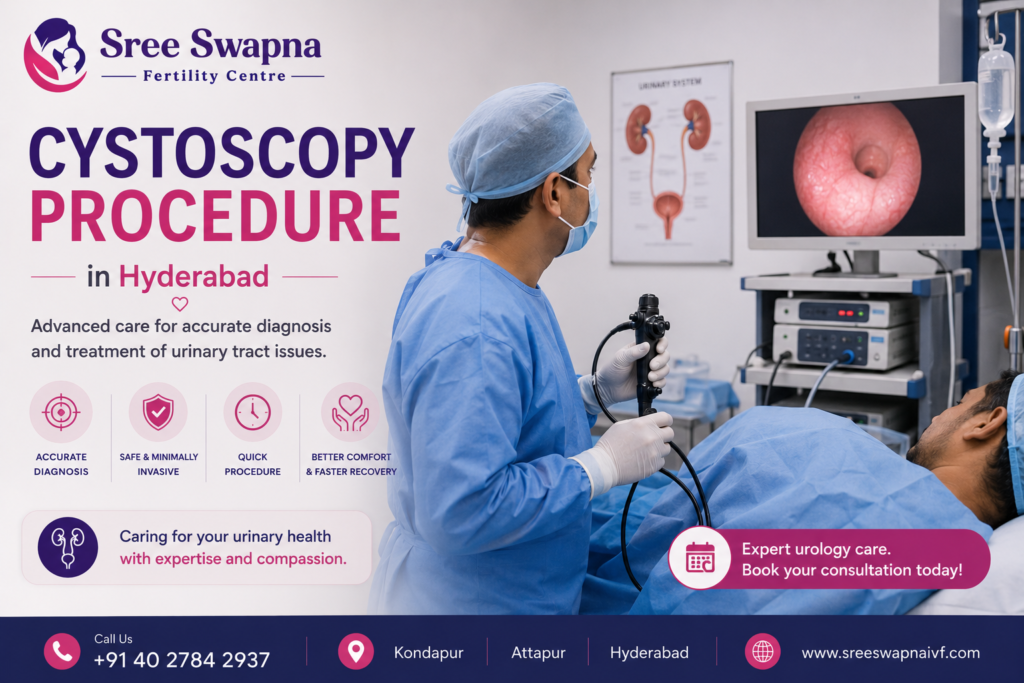
Being told you need a cystoscopy can sound more intimidating than it actually is. It’s a well-established, generally quick procedure that gives doctors a direct look inside your bladder — something imaging alone often can’t fully provide.

This guide explains what a cystoscopy actually involves, the different types, what to expect during recovery, and where it fits into gynaecological care specifically.

What Is a Cystoscopy?

A cystoscopy is a procedure where a thin, tube-like instrument called a cystoscope — fitted with a light and camera — is passed through the urethra into the bladder, allowing direct visualisation of the bladder lining and urethra.

It’s used to investigate symptoms like blood in the urine, recurrent urinary infections, or to examine the bladder more closely when imaging has raised a specific question.

Types of Cystoscopy

1. Flexible Cystoscopy

Uses a thin, bendable scope and is typically done under local anaesthesia as an outpatient procedure. It’s generally more comfortable and is often the first choice for straightforward diagnostic evaluation.

2. Rigid Cystoscopy

Uses a firmer, straight scope, allowing better access for certain procedures like tissue biopsy or treatment of specific bladder findings. This is usually done under local, spinal, or general anaesthesia, depending on what’s being done during the procedure.

Why Might a Cystoscopy Be Recommended?

  • Blood in the urine (haematuria), to identify the source
  • Recurrent urinary tract infections, to check for underlying causes
  • Unexplained bladder pain or urinary symptoms
  • Evaluation of suspected bladder lesions or growths
  • Intraoperative use during certain gynaecological or pelvic surgeries, to directly visualise the bladder and protect it during the procedure

What Happens During the Procedure?

  1. Preparation: You may be asked to empty your bladder beforehand, and local anaesthetic gel is often applied
  2. Insertion: The cystoscope is gently passed through the urethra into the bladder
  3. Examination: Sterile fluid is used to gently fill the bladder, allowing a clearer view of the bladder walls
  4. Additional steps, if needed: Tissue samples (biopsy) can be taken, or certain minor treatments performed, during the same procedure
  5. Completion: The scope is removed, and the fluid drains out

A purely diagnostic cystoscopy typically takes just 5–15 minutes. If additional treatment is performed at the same time, it may take longer.

What Does Recovery Look Like?

  • Mild burning during urination for a day or two is common and generally resolves on its own
  • Slightly blood-tinged urine immediately afterward is normal, though it should improve quickly
  • Increased fluid intake is often recommended to help flush the bladder gently
  • Most people resume normal activities the same day or the next day, especially after a flexible cystoscopy under local anaesthesia
  • Recovery from a rigid cystoscopy done under general or spinal anaesthesia may take slightly longer, depending on what was done during the procedure

When to Contact Your Doctor After a Cystoscopy

  • Fever or chills
  • Heavy bleeding, rather than mild pink-tinged urine
  • Inability to urinate
  • Severe or worsening pain

These aren’t common, but they’re worth flagging to your doctor promptly if they occur.

Cystoscopy in Gynaecological Care: Where It Fits at Sree Swapna Fertility Centre

It’s worth being clear about where cystoscopy fits into our practice specifically. General cystoscopy for conditions like bladder tumours, kidney stones, or unrelated urological complaints is typically the domain of a urologist.

Where cystoscopy becomes directly relevant to our work is in gynaecological contexts — particularly evaluating suspected bladder endometriosis, and as a precautionary, intraoperative step during certain pelvic surgeries to protect the bladder and confirm its integrity.

Dr. Swapna Naik, Clinical Director at Sree Swapna Fertility Centre, is a trained laparoscopic surgeon with over 15 years of experience, and uses cystoscopy as part of a broader diagnostic and surgical approach when bladder involvement is suspected in endometriosis or during complex pelvic procedures. For general urological cystoscopy unrelated to gynaecological concerns, we’ll help coordinate a referral to the right urology specialist.

Frequently Asked Questions

1. What is a cystoscopy?

It’s a procedure where a thin scope with a camera is passed through the urethra to directly examine the inside of the bladder.

2. Is a cystoscopy painful?

Most people experience mild discomfort rather than significant pain, especially with a flexible cystoscopy done under local anaesthesia.

3. What is the difference between flexible and rigid cystoscopy?

Flexible cystoscopy uses a bendable scope and is generally more comfortable for diagnostic purposes, while rigid cystoscopy allows better access for certain treatments or biopsies.

4. How long does a cystoscopy take?

A purely diagnostic cystoscopy typically takes about 5–15 minutes, though additional treatment during the same procedure can extend this.

5. What anaesthesia is used for a cystoscopy?

Flexible cystoscopy is often done under local anaesthesia, while rigid cystoscopy may use local, spinal, or general anaesthesia depending on the specific procedure.

6. Is it normal to see blood in urine after a cystoscopy?

Yes, mild, pink-tinged urine is common immediately afterward and should improve quickly. Heavy bleeding should be reported to your doctor.

7. How long does recovery take after a cystoscopy?

Most people resume normal activities within a day, especially after a flexible cystoscopy, though this varies based on the specific procedure performed.

8. Why would a cystoscopy be used in gynaecological care?

It’s used to evaluate suspected bladder endometriosis, or as a precautionary step during certain pelvic surgeries to protect and check the bladder.

9. Does Sree Swapna Fertility Centre perform general urological cystoscopy?

Our use of cystoscopy is specifically within gynaecological contexts. For general urological cystoscopy unrelated to gynaecological concerns, we’ll help coordinate a referral to a urologist.

10. Can a biopsy be taken during a cystoscopy?

Yes, tissue samples can be taken during the procedure if a suspicious area is identified.

11. What symptoms might lead to a cystoscopy recommendation?

Blood in the urine, recurrent urinary tract infections, unexplained bladder pain, or suspected bladder lesions are common reasons.

12. Is fasting required before a cystoscopy?

This depends on the type of anaesthesia used — flexible cystoscopy under local anaesthesia usually doesn’t require fasting, while general anaesthesia procedures typically do.

13. Can cystoscopy help diagnose bladder endometriosis?

Yes, it allows direct visualisation of the bladder wall and, combined with biopsy, can help confirm suspected bladder endometriosis.

14. What should I avoid after a cystoscopy?

Strenuous activity is generally discouraged for a short period after the procedure, especially if additional treatment was performed. Your doctor will give specific guidance.

15. Is cystoscopy a major surgery?

No, diagnostic cystoscopy is a minor procedure, though it can be combined with more involved treatment steps depending on findings.

16. How soon can I return to work after a cystoscopy?

Many people return to normal activities, including work, the same day or the next day, particularly after a flexible cystoscopy.

17. Can cystoscopy detect bladder cancer?

Yes, it’s a key tool for evaluating suspicious bladder lesions, though further testing like biopsy is typically needed to confirm a diagnosis.

18. Is cystoscopy used during hysterectomy or other pelvic surgeries?

Yes, it’s sometimes used intraoperatively to check bladder integrity and reduce the risk of injury during certain pelvic procedures.

19. Does cystoscopy require a hospital stay?

Diagnostic cystoscopy is typically an outpatient procedure and usually doesn’t require an overnight stay.

20. Can I drive myself home after a cystoscopy?

If done under local anaesthesia, yes, in most cases. If general or spinal anaesthesia was used, you’ll need someone to drive you home.

21. Are there risks associated with cystoscopy?

As with any procedure involving the urinary tract, there’s a small risk of infection or bleeding, though serious complications are uncommon.

22. Where can I get a gynaecological cystoscopy evaluation in Hyderabad?

Sree Swapna Fertility Centre offers cystoscopy as part of gynaecological evaluation, particularly for suspected bladder endometriosis, at both our Kondapur and Attapur clinics.

Conclusion

A cystoscopy is a well-established, generally quick procedure that gives doctors valuable direct information about your bladder. Whether it’s being used to investigate symptoms or as part of gynaecological surgical planning, understanding what to expect can make the experience far less daunting.

Have Questions About a Recommended Cystoscopy?

Dr. Swapna Naik and the team at Sree Swapna Fertility Centre can explain how cystoscopy fits into your specific gynaecological evaluation or treatment plan.

📞 Call: +91 76708 04424 / +91 40 4995 3719 💬 WhatsApp: Message us directly 📧 Email: sreeswapna.fertility@gmail.com 📍 Visit us at: Kondapur (flagship centre) or Attapur, Hyderabad 🌐 Book an appointment: sreeswapnaivf.com/contact-us

Author: Swapna

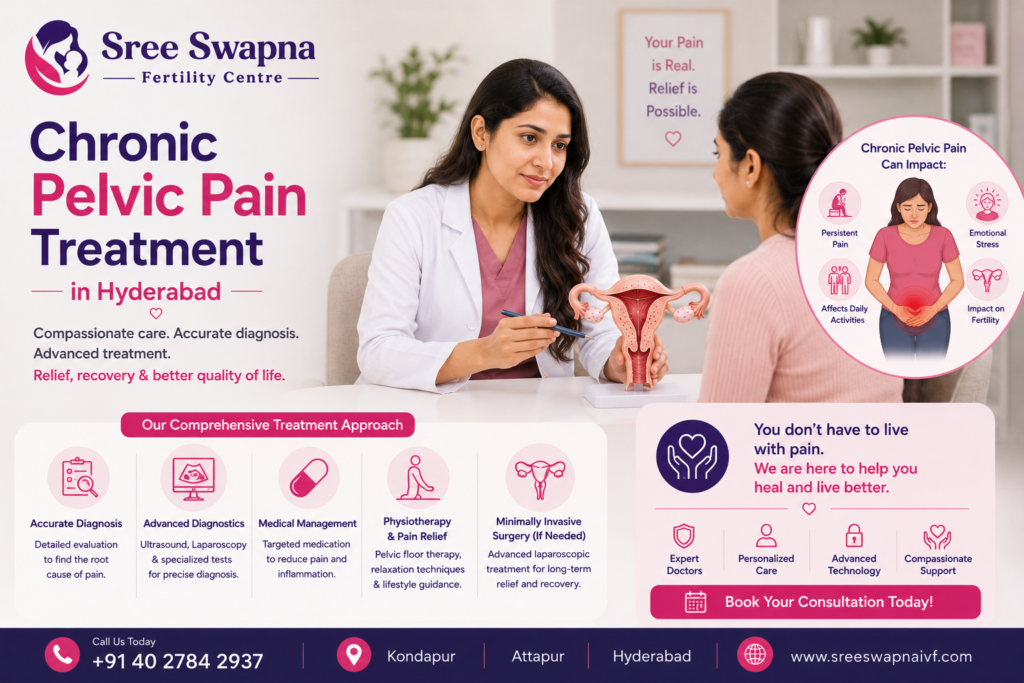
Chronic pelvic pain (CPP) is genuinely one of the harder conditions to diagnose — not because doctors don’t take it seriously, but because it isn’t actually a single disease. It’s a symptom with dozens of possible underlying causes, and many women have more than one contributing factor at once.

This guide explains how specialists approach chronic pelvic pain, what the real range of causes looks like, and what proper evaluation involves.

What Counts as Chronic Pelvic Pain?

Chronic pelvic pain is generally defined as pain in the pelvis, lower abdomen, or lower back that lasts 6 months or longer, isn’t caused by pregnancy, and isn’t limited to just your period or intercourse.

It affects a significant number of women — estimates range from roughly 15–26% of women worldwide, making it comparable in prevalence to conditions like migraine or chronic back pain. Despite this, research suggests only about a third of affected women actually seek medical care for it.

Why Chronic Pelvic Pain Is Genuinely Hard to Diagnose

Unlike a single, well-defined condition, CPP can arise from — or be worsened by — multiple body systems at once. In fact, no single identifiable cause is found in roughly a third to half of patients, even after thorough evaluation. This isn’t a failure of the diagnostic process; it reflects how complex and overlapping the underlying mechanisms often are.

The Many Possible Causes of Chronic Pelvic Pain

Specialists generally use an organ-system approach, since gynaecological, gastrointestinal, urological, musculoskeletal, neurological, and even psychological factors can all contribute.

Gynaecological Causes

  • Endometriosis — the most common gynaecological diagnosis among women who seek care for CPP
  • Adenomyosis — causing progressively worsening period pain and pelvic pressure
  • Ovarian cysts, including chocolate cysts (endometriomas)
  • Uterine fibroids
  • Pelvic inflammatory disease (PID) or its long-term aftereffects

Gastrointestinal Causes

  • Irritable Bowel Syndrome (IBS) — one of the most commonly diagnosed contributors to CPP
  • Inflammatory Bowel Disease (IBD)
  • Bowel endometriosis, which can closely mimic IBS

Urological Causes

  • Interstitial cystitis (painful bladder syndrome) — commonly overlapping with CPP; a large proportion of women with this condition also have chronic pelvic pain
  • Recurrent urinary tract infections
  • Bladder endometriosis

Musculoskeletal Causes

  • Pelvic floor muscle tension (myalgia)
  • Abdominal wall myofascial pain
  • Piriformis syndrome and other muscular or nerve-related issues

These causes are frequently overlooked, since they don’t show up on typical gynaecological imaging.

Neurological Causes

  • Nerve entrapment syndromes, which can cause localised, sometimes sharp pelvic or abdominal wall pain

Psychological Contributors

Depression, anxiety, and a history of trauma are genuinely recognised contributors to how chronic pain is experienced and maintained — not as “it’s all in your head,” but as real, physiological factors that interact with pain processing and deserve proper attention alongside physical causes.

How Is Chronic Pelvic Pain Diagnosed?

  • Detailed History: Understanding your pain’s pattern, triggers, and relationship to your cycle, bowel movements, urination, and posture
  • Pelvic Examination: Including a speculum exam, bimanual exam to assess for tenderness or masses, and sometimes a rectovaginal exam
  • Imaging: Transvaginal ultrasound, and sometimes MRI, to look for gynaecological causes like endometriosis, adenomyosis, or cysts
  • Referral When Needed: To a gastroenterologist, urologist, or pelvic floor physiotherapist, depending on which system appears most involved

A thorough evaluation often takes more than one visit, especially when multiple systems seem to be contributing.

Treatment Approaches for Chronic Pelvic Pain

Because CPP has so many possible causes, treatment is rarely a single intervention. It typically combines:

  • Pharmacologic treatment — pain relief medication, hormonal therapy for gynaecological causes, or targeted medication for bladder or bowel-related contributors
  • Behavioural and physical approaches — pelvic floor physiotherapy, particularly when muscular tension is a factor
  • Surgical treatment — when a specific, correctable condition like endometriosis, adenomyosis, or a cyst is identified
  • Multidisciplinary coordination — since gynaecological, gastrointestinal, urological, and psychological factors often need to be addressed together, not in isolation

Why a Coordinated, Multi-System Approach Matters

Treating chronic pelvic pain as “just a gynaecological issue” — or dismissing it without a thorough evaluation — often leads to years of frustration without relief. The most effective care usually comes from a specialist willing to look across systems, rather than stopping at the first negative gynaecological scan.

Chronic Pelvic Pain Evaluation at Sree Swapna Fertility Centre

Dr. Swapna Naik, Clinical Director at Sree Swapna Fertility Centre, brings over 15 years of experience in gynaecology and reproductive medicine, along with laparoscopic surgical expertise for conditions like endometriosis and adenomyosis that commonly contribute to chronic pelvic pain.

Both our Kondapur and Attapur clinics offer in-house diagnostic ultrasound to properly evaluate gynaecological causes of your pain. If your evaluation points toward a gastrointestinal, urological, or musculoskeletal contributor, we’ll help guide you toward the right additional specialist, rather than treating chronic pelvic pain as a purely gynaecological issue when it may not be.

If you’re looking for more detail on specific gynaecological causes of pelvic pain, we’ve covered several in depth separately, including bladder endometriosis, bowel endometriosis, adenomyosis, and chocolate cysts (ovarian endometriomas).

Frequently Asked Questions

1. What is considered chronic pelvic pain?

Pain in the pelvis, lower abdomen, or lower back lasting 6 months or longer, not caused by pregnancy and not limited to your period or intercourse.

2. How common is chronic pelvic pain?

Estimates suggest it affects roughly 15–26% of women worldwide, making it a genuinely common condition.

3. What is the most common gynaecological cause of chronic pelvic pain?

Endometriosis is the most common gynaecological diagnosis among women who seek care specifically for chronic pelvic pain.

4. Can chronic pelvic pain have no identifiable cause?

Yes, no specific cause is found in roughly a third to half of patients, even after thorough evaluation.

5. Can bowel or bladder issues cause chronic pelvic pain?

Yes, conditions like IBS and interstitial cystitis are common contributors, and often overlap with gynaecological causes.

6. Is chronic pelvic pain always related to the menstrual cycle?

No, by definition it isn’t limited to your period, though many underlying causes can worsen around menstruation.

7. Can muscle or nerve issues cause pelvic pain?

Yes, pelvic floor muscle tension, abdominal wall myofascial pain, and nerve entrapment are recognised musculoskeletal and neurological causes.

8. Is psychological factors part of chronic pelvic pain, or is that dismissive?

Psychological factors like depression, anxiety, and trauma history are genuinely recognised as real, physiological contributors to chronic pain — not a dismissal of physical causes, but an additional, legitimate part of the picture.

9. What tests are used to diagnose chronic pelvic pain?

A detailed history, pelvic examination, and imaging like transvaginal ultrasound are typically the starting point, with further tests based on findings.

10. Do I need to see multiple specialists for chronic pelvic pain?

Sometimes, yes — depending on which body systems appear to be contributing, referral to gastroenterology, urology, or pelvic floor physiotherapy may be needed alongside gynaecological care.

11. Can chronic pelvic pain be treated without surgery?

Yes, many cases are managed with medication, physical therapy, and other non-surgical approaches, depending on the underlying cause.

12. When is surgery considered for chronic pelvic pain?

Surgery is generally considered when a specific, correctable condition like endometriosis, adenomyosis, or a cyst is clearly identified as a contributing cause.

13. Can chronic pelvic pain affect fertility?

Some underlying causes, like endometriosis or adenomyosis, can affect fertility, though this depends on the specific diagnosis.

14. How long does it typically take to diagnose the cause of chronic pelvic pain?

This varies significantly, and may take more than one visit, especially if multiple systems appear to be contributing.

15. Is chronic pelvic pain more common in women with endometriosis?

Yes, a substantial proportion of women with endometriosis report chronic pelvic pain as one of their symptoms.

16. Can bladder pain syndrome overlap with gynaecological causes of pelvic pain?

Yes, a significant proportion of women with bladder pain syndrome also have comorbid chronic pelvic pain from other causes.

17. Is it normal for chronic pelvic pain to have more than one cause at once?

Yes, this is actually quite common, which is part of why a thorough, multi-system evaluation matters.

18. Can pelvic floor physiotherapy help with chronic pelvic pain?

Yes, particularly when muscular tension or pelvic floor dysfunction is identified as a contributing factor.

19. Should I keep seeking help if my first evaluation didn’t find a cause?

Yes, given how complex CPP can be, a second, more comprehensive evaluation or looking at additional body systems is often worthwhile.

20. Can chronic pelvic pain be related to a previous surgery or childbirth?

Yes, scar tissue, nerve changes, or musculoskeletal changes following surgery or childbirth can contribute to ongoing pelvic pain.

21. Is chronic pelvic pain treatable?

Yes, though treatment depends entirely on identifying the contributing causes — a multidisciplinary approach often provides the most effective relief.

22. Where can I get a chronic pelvic pain evaluation in Hyderabad?

Sree Swapna Fertility Centre offers gynaecological evaluation for chronic pelvic pain at both our Kondapur and Attapur clinics, with referral coordination for non-gynaecological causes when needed.

Conclusion

Chronic pelvic pain deserves a thorough, multi-system evaluation, not a quick dismissal after one negative scan. Whether the underlying cause turns out to be gynaecological, gastrointestinal, urological, muscular, or a combination of several, understanding the full picture is the real first step toward relief.

Get a Thorough Pelvic Pain Evaluation

Dr. Swapna Naik and the team at Sree Swapna Fertility Centre can help evaluate the gynaecological causes of your chronic pelvic pain, and guide you toward the right additional care if needed.

📞 Call: +91 76708 04424 / +91 40 4995 3719 💬 WhatsApp: Message us directly 📧 Email: sreeswapna.fertility@gmail.com 📍 Visit us at: Kondapur (flagship centre) or Attapur, Hyderabad 🌐 Book an appointment: sreeswapnaivf.com/contact-us

Author: Swapna

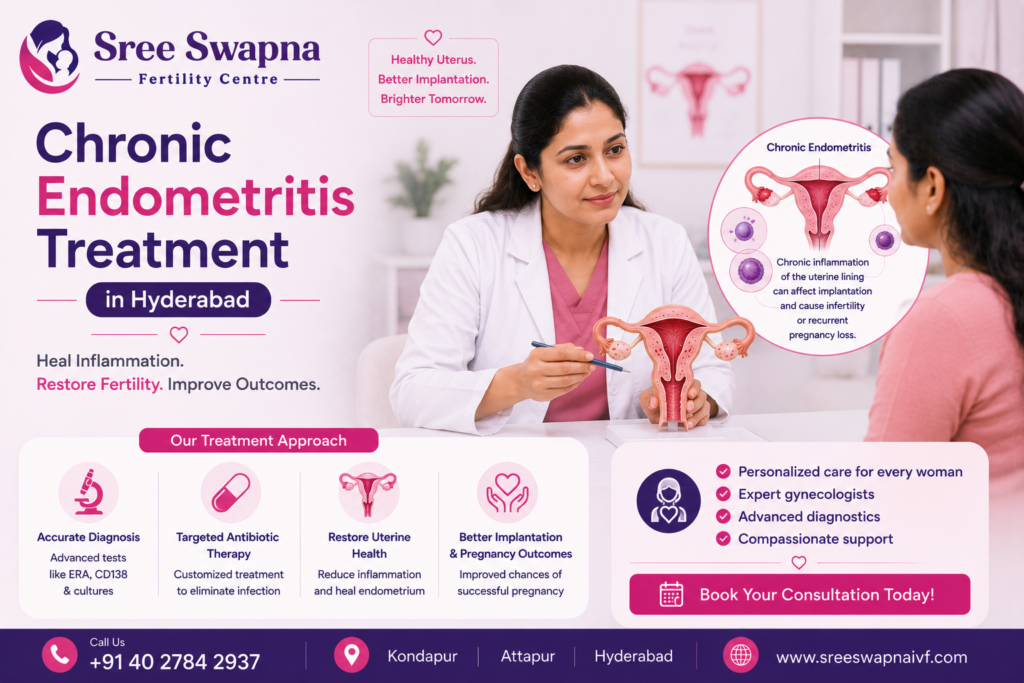
If you’ve experienced repeated IVF implantation failure, you may have come across the term chronic endometritis — and possibly a recommendation for a specific test to check for it. Before going further, it’s worth clarifying something important: chronic endometritis is a genuine, diagnosable condition, but its exact role in IVF failure is more debated among specialists than some marketing suggests.

This guide explains what chronic endometritis is, how it’s diagnosed and treated, and gives you an honest picture of what current research does and doesn’t support.

Chronic Endometritis vs. Endometriosis: Not the Same Thing

These names sound similar and are frequently confused, so let’s clear this up first.

  • Chronic endometritis is persistent, low-grade inflammation or infection of the endometrium (the uterine lining) itself.
  • Endometriosis is a completely different condition, where endometrial-like tissue grows outside the uterus.

They have different causes, different diagnostic approaches, and different treatments.

What Is Chronic Endometritis?

Chronic endometritis is persistent inflammation of the endometrial lining, most commonly caused by a low-grade bacterial infection. Unlike acute endometritis (which often follows childbirth or a procedure and causes clear symptoms like fever and pain), chronic endometritis is frequently subtle or entirely without symptoms.

Common Bacterial Causes

Research identifies several common culprits:

  • E. coli, Enterococcus faecalis, and Streptococcus species — found in a large majority of cases
  • Mycoplasma and Ureaplasma — found in roughly a quarter of cases
  • Chlamydia trachomatis — found in a smaller proportion of cases

Symptoms of Chronic Endometritis

Because symptoms are often mild or absent, many women are diagnosed only during an infertility work-up, rather than because of noticeable complaints. When symptoms do occur, they may include:

  • Abnormal or irregular uterine bleeding
  • Mild pelvic discomfort
  • Pain during intercourse
  • Unusual vaginal discharge

How Is Chronic Endometritis Diagnosed?

  • Hysteroscopy: May show mucosal edema, focal or diffuse redness, or small growths called micropolyps — findings suggestive of, but not conclusive for, chronic endometritis
  • Endometrial Biopsy with CD138 Staining: Considered the current standard for diagnosis, this test looks for plasma cells (a type of immune cell) in the endometrial tissue, using a specific antibody stain

Diagnostic criteria vary between studies and labs — some use a cutoff of 5 or more plasma cells per 10 high-power fields, while others use different thresholds, which is part of why reported prevalence rates vary so widely (anywhere from around one-third to two-thirds of patients with recurrent implantation failure, depending on the study).

Treatment for Chronic Endometritis

When bacterial infection is suspected or confirmed, treatment typically involves:

  • Doxycycline, usually for around 14 days, as first-line treatment
  • Combination antibiotics (such as ciprofloxacin and metronidazole), if symptoms or biopsy findings persist after initial treatment
  • Repeat biopsy, in some protocols, to confirm the infection has cleared before proceeding with fertility treatment

What Does Research Actually Say About Chronic Endometritis and IVF Failure?

This is where honesty matters most. Some studies have found that treating chronic endometritis with antibiotics before an IVF cycle is associated with improved pregnancy and live birth rates in patients with recurrent implantation failure. This has led some clinics to routinely test for and treat chronic endometritis as part of IVF failure work-ups.

However, other, more rigorously designed research tells a more cautious story. One notable study specifically looked at patients with known, genetically normal (euploid) embryos — removing embryo quality as a confounding factor — and found that the presence of CD138-positive plasma cells did not reliably predict implantation failure. This raises a genuine, ongoing scientific question about how much chronic endometritis actually contributes to unexplained IVF failure, versus being a finding that’s present in many women regardless of their eventual outcome.

In plain terms: chronic endometritis is a real condition that can and should be treated when there’s clinical suspicion or clear diagnostic findings — but it isn’t a guaranteed explanation for, or fix to, repeated IVF failure. Be cautious of any clinic presenting it as a certain solution.

What This Means for You

If you’re dealing with recurrent implantation failure, chronic endometritis testing can be a reasonable part of a broader, comprehensive work-up — but it shouldn’t be presented as the definitive answer, and treating it shouldn’t replace a fuller investigation into other potential causes, such as embryo quality, uterine structural issues, or immunological factors.

A good specialist will explain this nuance clearly, rather than offering chronic endometritis testing as a simple, guaranteed fix.

Chronic Endometritis Evaluation at Sree Swapna Fertility Centre

At Sree Swapna Fertility Centre, we approach chronic endometritis as one possible piece of a larger diagnostic picture — not a default explanation for every case of implantation failure.

Dr. Swapna Naik, Clinical Director, brings over 15 years of experience in reproductive medicine and has guided more than 5,000 successful pregnancies. Our team offers hysteroscopy and endometrial evaluation at both our Kondapur and Attapur clinics, and we’re honest with patients about what current evidence does and doesn’t support — so you can make informed decisions rather than pursuing testing based on incomplete information.

Frequently Asked Questions

1. What is chronic endometritis?

It’s persistent, low-grade inflammation of the endometrium, most commonly caused by a bacterial infection.

2. Is chronic endometritis the same as endometriosis?

No, they’re different conditions. Chronic endometritis is inflammation within the uterine lining itself, while endometriosis involves endometrial-like tissue growing outside the uterus.

3. What causes chronic endometritis?

It’s most commonly caused by bacteria such as E. coli, Enterococcus, Streptococcus species, Mycoplasma, Ureaplasma, or Chlamydia.

4. What are the symptoms of chronic endometritis?

Symptoms are often mild or absent, but can include abnormal bleeding, mild pelvic discomfort, and pain during intercourse.

5. How is chronic endometritis diagnosed?

Through hysteroscopy, which may show suggestive findings, and endometrial biopsy with CD138 staining, considered the current diagnostic standard.

6. Does chronic endometritis definitely cause IVF failure?

Not definitively — while some studies link it to implantation failure, other more rigorous studies haven’t found a reliable connection, so this remains an area of genuine scientific debate.

7. Should I get tested for chronic endometritis if I’ve had failed IVF cycles?

It can be a reasonable part of a broader work-up, but it shouldn’t be treated as a guaranteed explanation or the only test worth pursuing.

8. How is chronic endometritis treated?

Typically with antibiotics, most commonly doxycycline for around 14 days, with combination antibiotics used if initial treatment doesn’t resolve findings on repeat biopsy.

9. Does treating chronic endometritis guarantee IVF success afterward?

No, treatment addresses a potential contributing factor, but it doesn’t guarantee pregnancy or account for other causes of implantation failure.

10. What is CD138 staining?

It’s a laboratory technique used on endometrial biopsy tissue to detect plasma cells, a marker used in diagnosing chronic endometritis.

11. How common is chronic endometritis in women with recurrent implantation failure?

Reported prevalence varies widely across studies, from roughly one-third to two-thirds of patients, partly due to differences in diagnostic criteria.

12. Can chronic endometritis be present without any symptoms?

Yes, many women have no noticeable symptoms and are only diagnosed during an infertility investigation.

13. What is the difference between acute and chronic endometritis?

Acute endometritis typically follows childbirth or a procedure and causes clear symptoms like fever and pain, while chronic endometritis is often subtle and persistent.

14. Can hysteroscopy alone confirm chronic endometritis?

Not definitively — hysteroscopy findings are suggestive, but endometrial biopsy with CD138 staining is generally needed for a more reliable diagnosis.

15. Are all clinics in agreement about testing for chronic endometritis?

No, there’s genuine disagreement in the field about how routinely this testing should be used and how much weight to give a positive result.

16. Can chronic endometritis affect natural conception, not just IVF?

It’s possible, though most research on this topic has focused specifically on IVF and implantation failure outcomes.

17. Is a repeat biopsy needed after treatment?

Some treatment protocols include a repeat biopsy to confirm resolution before proceeding with fertility treatment, though this varies by clinical approach.

18. Can chronic endometritis resolve on its own without antibiotics?

This isn’t well established in current research; antibiotic treatment is the standard approach when infection is suspected or confirmed.

19. Does having chronic endometritis mean I definitely need IVF?

No, chronic endometritis is a separate diagnostic consideration from your overall fertility treatment plan, which depends on your full evaluation.

20. What other causes of implantation failure should be considered alongside chronic endometritis?

Embryo quality, uterine structural abnormalities, immunological factors, and endometrial receptivity issues are all part of a comprehensive implantation failure work-up.

21. Should I be skeptical if a clinic strongly pushes chronic endometritis testing?

It’s reasonable to ask what specific evidence supports the recommendation for your case, and to understand it as one possible factor rather than a guaranteed explanation.

22. Where can I get a chronic endometritis evaluation in Hyderabad?

Sree Swapna Fertility Centre offers hysteroscopy and endometrial biopsy evaluation as part of a comprehensive fertility work-up at both our Kondapur and Attapur clinics.

Conclusion

Chronic endometritis is a real, treatable condition — but the science connecting it to IVF failure is genuinely more nuanced than some marketing suggests. If you’re navigating recurrent implantation failure, it’s worth including in your evaluation, but not as a stand-alone explanation. An honest specialist will walk you through the full picture, not just one test result.

Get a Comprehensive Fertility Evaluation

Dr. Swapna Naik and the team at Sree Swapna Fertility Centre offer thorough, honest evaluation for recurrent implantation failure — not a single test presented as the answer.

📞 Call: +91 76708 04424 / +91 40 4995 3719 💬 WhatsApp: Message us directly 📧 Email: sreeswapna.fertility@gmail.com 📍 Visit us at: Kondapur (flagship centre) or Attapur, Hyderabad 🌐 Book an appointment: sreeswapnaivf.com/contact-us

Author: Swapna

A “chocolate cyst” diagnosis often comes as a surprise, usually found during an ultrasound for pelvic pain or fertility investigation. The name sounds almost harmless, but understanding what it actually is helps you make sense of your treatment options.

This guide explains what a chocolate cyst really is, its symptoms, treatment choices, and how surgery is approached when fertility matters to you.

What Is a Chocolate Cyst?

A chocolate cyst, medically known as an ovarian endometrioma, is a cyst that forms on the ovary as a result of endometriosis. It’s filled with old, dark reddish-brown blood — which is exactly where the “chocolate” name comes from.

It forms when endometrial-like tissue implants on the ovary, then bleeds internally with each menstrual cycle, gradually building up trapped blood within a cyst.

Common Symptoms of Chocolate Cysts

  • Pelvic pain — dull, sharp, or cramp-like, often worsening during your period
  • Pain during intercourse
  • Heavy or irregular periods
  • Bloating
  • Difficulty conceiving

Some smaller chocolate cysts cause no symptoms at all and are only discovered incidentally during an ultrasound.

How Are Chocolate Cysts Sized and Classified?

  • Small: Under 4 cm in diameter
  • Medium: 4–8 cm in diameter
  • Large: Over 8 cm in diameter

Size plays a significant role in deciding your treatment path, alongside your symptoms and fertility plans.

How Are Chocolate Cysts Diagnosed?

  • Transvaginal Ultrasound: The primary diagnostic tool, showing the characteristic appearance of an endometrioma
  • MRI: Sometimes used for more detailed evaluation, particularly for larger or complex cysts
  • Blood Tests: Used to rule out other conditions, such as anaemia from heavy bleeding or infection

Treatment Options for Chocolate Cysts

1. Monitoring

Small, asymptomatic cysts are often simply monitored with periodic ultrasound follow-up, without immediate treatment.

2. Medical Management

  • NSAIDs for pain relief
  • Hormonal therapy — birth control pills, progestin-only medications, or GnRH agonists — to regulate hormones and manage symptoms

Medical management can control symptoms, but it doesn’t shrink or eliminate an existing cyst permanently.

3. Surgical Treatment

Surgery is generally recommended for cysts larger than 4 cm, cysts causing significant symptoms, or when fertility is affected.

  • Cystectomy: Removes the cyst while preserving healthy ovarian tissue — the preferred option when future fertility matters
  • Oophorectomy: Removes the entire affected ovary — generally reserved for severe cases or when there’s concern about malignancy

Most chocolate cyst surgery today is performed laparoscopically, offering smaller incisions, lower risk of bleeding and infection compared to open surgery, and typically a same-day or short hospital stay.

Why Cystectomy Is Usually Preferred for Fertility

For women hoping to conceive, cystectomy is generally favoured over removing the entire ovary, since it preserves as much healthy ovarian tissue — and therefore ovarian reserve — as possible. That said, cystectomy itself can sometimes reduce ovarian reserve slightly, since some healthy tissue is inevitably affected during removal of the cyst wall. This trade-off is exactly why the decision should be made carefully, considering cyst size, symptoms, and your individual fertility profile.

Is There a Cancer Risk With Chocolate Cysts?

The vast majority of chocolate cysts are benign. However, larger or rapidly growing cysts carry a small increased risk of malignancy, which is one reason doctors recommend surgical removal for larger cysts rather than indefinite monitoring alone.

Can Chocolate Cysts Come Back After Surgery?

Yes, recurrence is a genuine possibility after cystectomy — research generally reports recurrence rates in the range of roughly 10–35%, depending on the study and follow-up period. Postoperative hormonal treatment and, in some cases, achieving pregnancy afterward have both been associated with lower recurrence risk. If you’d like a deeper look at recurrence specifically, this is covered in more detail in our dedicated article on endometriosis recurrence after surgery.

Chocolate Cyst Treatment at Sree Swapna Fertility Centre

Chocolate cysts require a treatment approach that balances symptom relief, surgical precision, and fertility preservation — not a one-size-fits-all removal.

Dr. Swapna Naik, Clinical Director at Sree Swapna Fertility Centre, is a trained laparoscopic surgeon with over 15 years of experience in reproductive medicine, focused on fertility-preserving cystectomy techniques wherever appropriate.

Both our Kondapur and Attapur clinics offer in-house diagnostic ultrasound, allowing accurate sizing and monitoring of any chocolate cyst, along with laparoscopic surgical facilities for treatment when needed. If you’re also trying to conceive, we’ll factor your fertility goals directly into the surgical approach and post-surgery care plan — not treat it as a separate conversation.

Frequently Asked Questions

1. What is a chocolate cyst?

It’s a cyst on the ovary, medically called an ovarian endometrioma, filled with old blood as a result of endometriosis.

2. Why is it called a chocolate cyst?

Because the old, dark reddish-brown blood inside resembles the colour of chocolate.

3. Are chocolate cysts cancerous?

The vast majority are benign, though larger or rapidly growing cysts carry a small increased risk of malignancy, which is why removal is often recommended for larger cysts.

4. What size chocolate cyst needs surgery?

Surgery is generally considered for cysts larger than 4 cm, or smaller cysts causing significant symptoms.

5. Can a chocolate cyst be treated without surgery?

Yes, small or asymptomatic cysts can be monitored, and hormonal medication can help manage symptoms, though it won’t eliminate the cyst itself.

6. Does removing a chocolate cyst affect fertility?

Cystectomy can sometimes slightly reduce ovarian reserve, since some healthy tissue is affected during removal, which is why the decision is made carefully based on your specific case.

7. What is the difference between cystectomy and oophorectomy?

Cystectomy removes just the cyst while preserving the ovary, while oophorectomy removes the entire affected ovary — generally reserved for more severe cases.

8. Is laparoscopic surgery used for chocolate cysts?

Yes, most chocolate cyst surgery today is performed laparoscopically, offering a shorter recovery and lower complication risk than open surgery.

9. Can chocolate cysts come back after surgery?

Yes, recurrence rates are generally reported in the range of 10–35%, depending on the study and follow-up period.

10. Does pregnancy after surgery reduce recurrence risk?

Some studies have found postoperative pregnancy associated with lower recurrence rates, though this isn’t guaranteed for every individual.

11. Can chocolate cysts cause infertility?

Yes, they can affect fertility through ovarian tissue damage, inflammation, and disruption of the normal ovulation process.

12. How are chocolate cysts diagnosed?

Primarily through transvaginal ultrasound, sometimes supported by MRI for more detailed evaluation of larger or complex cysts.

13. What are the main symptoms of a chocolate cyst?

Pelvic pain, painful periods, pain during intercourse, heavy or irregular bleeding, and sometimes infertility.

14. Can a chocolate cyst rupture?

Yes, in some cases a cyst can rupture, which typically causes sudden, severe pain and needs prompt medical attention.

15. Do all chocolate cysts need to be removed?

No, small, asymptomatic cysts can often be monitored rather than surgically removed.

16. Is hormonal treatment a long-term solution for chocolate cysts?

Hormonal treatment manages symptoms and may help control growth, but it isn’t a permanent solution — the cyst itself typically remains unless surgically removed.

17. How long does recovery take after laparoscopic cystectomy?

Recovery is generally quicker than open surgery, often allowing return to normal activities within a couple of weeks, though this varies by individual.

18. Can both ovaries be affected by chocolate cysts?

Yes, chocolate cysts can occur on one or both ovaries, which is an important factor in surgical planning.

19. Does age affect chocolate cyst treatment decisions?

Yes, age and fertility plans are both key factors in choosing between monitoring, medical management, and surgery.

20. Can chocolate cysts affect egg quality?

Yes, the presence of an endometrioma can affect the surrounding ovarian environment, which may influence egg quality in some cases.

21. Should I get a second opinion before chocolate cyst surgery?

It’s a reasonable step for any major surgical decision, especially one that could affect your future fertility.

22. Where can I get chocolate cyst treatment in Hyderabad?

Sree Swapna Fertility Centre offers diagnosis, monitoring, and fertility-preserving laparoscopic surgery for chocolate cysts at both our Kondapur and Attapur clinics.

Conclusion

A chocolate cyst diagnosis isn’t something to panic about, but it does deserve a proper evaluation — especially if fertility matters to you. Whether the right path is monitoring, medication, or fertility-preserving surgery, getting an accurate assessment of your cyst’s size, symptoms, and your individual goals is the foundation for the right treatment decision.

Get Your Chocolate Cyst Evaluated in Hyderabad

Dr. Swapna Naik and the team at Sree Swapna Fertility Centre can help you understand your treatment options while keeping your fertility goals in focus.

📞 Call: +91 76708 04424 / +91 40 4995 3719 💬 WhatsApp: Message us directly 📧 Email: sreeswapna.fertility@gmail.com 📍 Visit us at: Kondapur (flagship centre) or Attapur, Hyderabad 🌐 Book an appointment: sreeswapnaivf.com/contact-us

Author: Swapna

Let’s be upfront about something important: cervical cancer treatment itself — chemotherapy, radiation, and cancer-specific surgery — requires a gynaecologic oncologist, a specialist with focused training beyond general gynaecology or fertility medicine.

What we can genuinely help with is what happens before that point: screening, early detection, managing precancerous changes, and — for younger patients diagnosed with cervical cancer — coordinating fertility preservation before cancer treatment begins. This guide explains all of this clearly, so you know exactly where to go for what.

What Causes Cervical Cancer?

Cervical cancer is caused by persistent infection with high-risk strains of HPV (Human Papillomavirus) in the vast majority of cases. Most HPV infections clear on their own, but persistent infection with certain high-risk strains can, over years, lead to precancerous cell changes and eventually cancer if undetected and untreated.

Risk Factors

  • Persistent high-risk HPV infection
  • Lack of regular screening
  • Smoking
  • Weakened immune system
  • Multiple sexual partners or early sexual activity, which increase HPV exposure risk

Why Screening Matters More Than Almost Anything Else

Cervical cancer is one of the most preventable cancers, largely because it develops slowly, over years, through detectable precancerous stages. Regular screening can catch these changes long before cancer develops.

Screening Methods

  • Pap Smear (Pap Test): Checks for abnormal cervical cells
  • HPV Testing: Checks for the presence of high-risk HPV strains, often done alongside or instead of a Pap smear depending on age and guidelines
  • Co-testing: Combining both tests for more comprehensive screening in certain age groups

Screening typically starts in your 20s, with frequency depending on your age, prior results, and specific guidelines your doctor follows.

What Happens If Screening Finds an Abnormality?

An abnormal Pap smear or positive HPV test doesn’t mean cancer — it means further evaluation is needed.

  1. Colposcopy: A magnified examination of the cervix to identify areas of concern
  2. Biopsy: A small tissue sample taken to determine the exact nature of any abnormal cells
  3. Grading (CIN 1, 2, or 3): Precancerous changes are graded by severity, guiding the next steps

Managing Precancerous Changes

Many precancerous cervical changes (particularly CIN 1) can be monitored with repeat testing, since they often resolve on their own. More significant changes (CIN 2 or 3) are often treated with procedures like a LEEP (Loop Electrosurgical Excision Procedure) or cone biopsy, which remove the abnormal tissue — procedures that general gynaecologists with appropriate training can often perform.

This is where our care applies. Screening, colposcopy, and management of precancerous changes fall within general gynaecological care.

When Does Care Need to Move to a Gynaecologic Oncologist?

If a biopsy confirms actual cervical cancer, treatment planning and delivery — including staging, cancer-specific surgery (such as radical hysterectomy or trachelectomy), radiation, and chemotherapy — should be handled by a gynaecologic oncologist or a specialised cancer centre. This isn’t a referral we make reluctantly; it’s the standard of care, since oncologic treatment requires specific training and multidisciplinary tumour board coordination that general gynaecology and fertility practices aren’t equipped to provide.

Fertility Preservation Before Cervical Cancer Treatment

This is where fertility medicine plays a genuinely important role for younger patients facing a cervical cancer diagnosis.

Cancer treatments like radiation and certain surgical procedures can significantly affect future fertility. For patients diagnosed at a young age who haven’t completed their family, fertility preservation before starting cancer treatment is a critical, time-sensitive conversation.

Fertility Preservation Options

  • Egg freezing (oocyte cryopreservation): Retrieving and freezing eggs before cancer treatment begins
  • Embryo freezing: If applicable, fertilising eggs with sperm before freezing
  • Coordination with your oncology team, since fertility preservation typically needs to happen quickly, before radiation or chemotherapy starts

In some early-stage cases, a gynaecologic oncologist may also discuss fertility-sparing surgical options, such as a radical trachelectomy instead of a full hysterectomy — a decision made collaboratively between your oncology and fertility care teams.

How Sree Swapna Fertility Centre Fits Into Your Care

We want to be completely clear about our role: Dr. Swapna Naik, Clinical Director at Sree Swapna Fertility Centre, brings over 15 years of experience in gynaecology and reproductive medicine, and our clinics offer:

  • Cervical cancer screening — Pap smears and HPV testing
  • Colposcopy and management of precancerous cervical changes
  • Fertility preservation counselling and treatment for patients facing a cancer diagnosis, working alongside your oncology team

For an actual cervical cancer diagnosis requiring treatment, we will help coordinate a referral to a qualified gynaecologic oncologist, and continue supporting your fertility preservation needs in parallel with your cancer care.

Frequently Asked Questions

1. Does Sree Swapna Fertility Centre treat cervical cancer directly?

No, cervical cancer treatment (surgery, radiation, chemotherapy) requires a gynaecologic oncologist. We provide screening, precancerous change management, and fertility preservation support, and coordinate oncology referrals when needed.

2. What causes cervical cancer?

Persistent infection with high-risk strains of HPV is the primary cause in the vast majority of cases.

3. How often should I get a Pap smear?

This depends on your age and prior results — your doctor can guide you on the recommended screening schedule for your specific situation.

4. What does an abnormal Pap smear mean?

It doesn’t mean cancer — it means further evaluation, typically through colposcopy, is needed to understand the nature of the abnormal cells.

5. What is a colposcopy?

A magnified examination of the cervix used to identify and assess areas of concern found during screening.

6. What is CIN (Cervical Intraepithelial Neoplasia)?

It’s a grading system for precancerous cervical cell changes, ranging from CIN 1 (mild) to CIN 3 (more severe), guiding treatment decisions.

7. Can precancerous cervical changes be treated without a full hysterectomy?

Yes, many cases are managed with procedures like LEEP or cone biopsy, which remove only the abnormal tissue.

8. When should I see a gynaecologic oncologist instead of a general gynaecologist?

If a biopsy confirms actual cervical cancer, treatment planning should move to a gynaecologic oncologist or specialised cancer centre.

9. Can fertility be preserved before cervical cancer treatment?

Yes, options like egg or embryo freezing can often be arranged before cancer treatment begins, particularly for younger patients.

10. How quickly does fertility preservation need to happen after a cancer diagnosis?

It’s typically time-sensitive, since cancer treatment often needs to start promptly. Coordination between your oncology and fertility teams is essential.

11. What is a radical trachelectomy?

A fertility-sparing surgical option for some early-stage cervical cancers, removing the cervix while preserving the uterus — a decision made by your gynaecologic oncologist based on your specific case.

12. Does the HPV vaccine prevent cervical cancer?

The HPV vaccine protects against the high-risk HPV strains responsible for most cervical cancers, making it an important preventive measure, though regular screening is still recommended.

13. Can HPV infection go away on its own?

Yes, most HPV infections clear naturally without causing any long-term problems, though persistent infection with high-risk strains requires monitoring.

14. Is cervical cancer preventable?

It’s considered one of the most preventable cancers, largely due to effective screening methods that catch precancerous changes early.

15. What is the difference between a Pap smear and an HPV test?

A Pap smear checks for abnormal cervical cells, while an HPV test checks specifically for high-risk HPV strains. Both may be used together depending on your age and guidelines.

16. Can radiation therapy affect fertility?

Yes, radiation to the pelvic area can significantly affect ovarian function and fertility, which is why preservation before treatment is an important consideration.

17. Does Sree Swapna Fertility Centre coordinate with oncologists?

Yes, we work alongside your oncology team to support fertility preservation needs while your cancer treatment is being planned and delivered.

18. What age should cervical cancer screening start?

This varies by guideline, but generally begins in a woman’s 20s. Discuss the appropriate starting point and frequency with your doctor.

19. Can I get a Pap smear and fertility consultation at the same clinic?

Yes, Sree Swapna Fertility Centre offers cervical screening alongside our broader gynaecological and fertility services.

20. Is LEEP a painful procedure?

It’s generally done under local anaesthesia and is well-tolerated by most patients, with a relatively quick recovery.

21. What should I do if I’m diagnosed with cervical cancer and want to preserve my fertility?

Speak to your oncology team as early as possible, and ask about a fertility preservation consultation before treatment begins, since timing is critical.

22. Where can I get cervical cancer screening in Hyderabad?

Sree Swapna Fertility Centre offers Pap smear and HPV screening, along with colposcopy, at both our Kondapur and Attapur clinics.

Conclusion

Cervical cancer is highly preventable with regular screening, and early precancerous changes are very manageable. If a cancer diagnosis does occur, especially at a younger age, fertility preservation deserves a place in that conversation — planned in coordination with your oncology team, not as an afterthought. We’re here to support the screening, early management, and fertility preservation side of that journey, working alongside the right specialists for cancer treatment itself.

Book a Screening or Fertility Preservation Consultation

Dr. Swapna Naik and the team at Sree Swapna Fertility Centre can guide you through cervical screening, precancerous change management, or fertility preservation planning.

📞 Call: +91 76708 04424 / +91 40 4995 3719 💬 WhatsApp: Message us directly 📧 Email: sreeswapna.fertility@gmail.com 📍 Visit us at: Kondapur or Attapur, Hyderabad 🌐 Book an appointment: sreeswapnaivf.com/contact-us
Author: Swapna

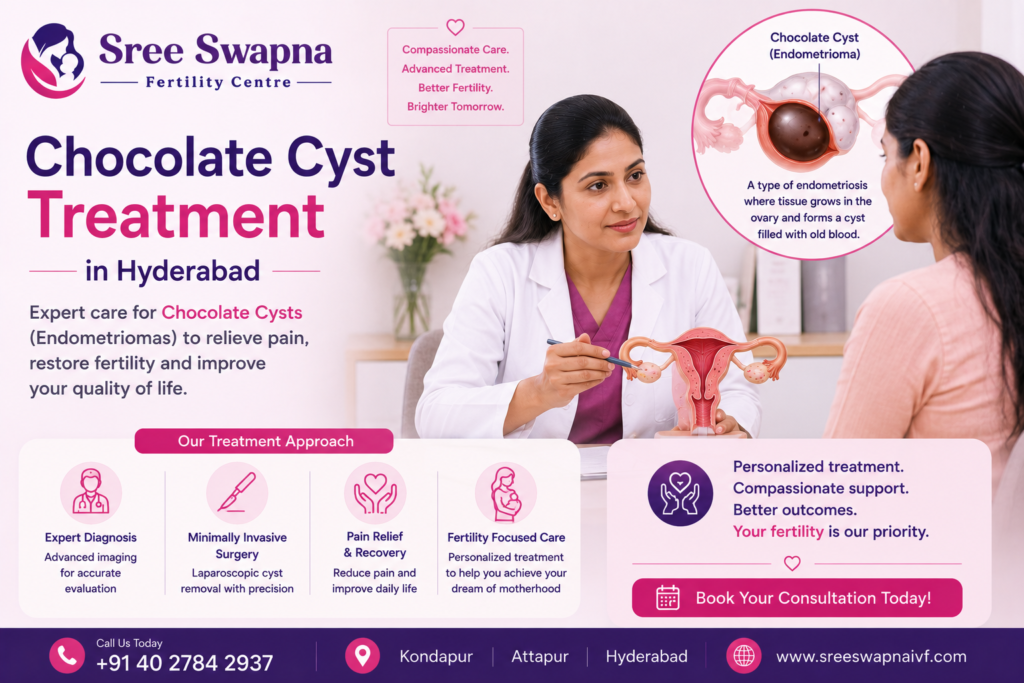
Menstrual cups have become genuinely popular — but so have the worries around them. “Can it get lost inside me?” “Will it damage my cervix?” “Is it safe if I’m not married?”

Let’s separate the real risks from the myths, based on actual research rather than internet rumours.

The Short Answer

For most women, menstrual cups are safe when used correctly. A large review of 43 studies covering over 3,000 participants concluded that menstrual cups are a safe way to manage periods, with no more risk than tampons or pads — and in some cases, a lower infection risk than tampons.

That said, there are a few genuine considerations worth knowing, especially around technique and specific situations like IUD use.

Myth: “The Cup Can Get Lost Inside My Body”

This is one of the most common fears, and it’s simply not possible. The cervix acts as a natural barrier — a menstrual cup cannot travel past it into your uterus or anywhere else in your body. It stays in the vaginal canal, exactly where it’s meant to be.

Myth: “Using a Cup Will Affect My Virginity or Break My Hymen”

The hymen is a thin, flexible tissue that naturally has some opening, and its structure varies significantly between individuals — it isn’t a reliable indicator of anything, including virginity. Using a menstrual cup, like a tampon, may or may not affect the hymen depending on individual anatomy, but this has no medical bearing on virginity as a concept. Comfort with insertion is a personal choice, not a medical restriction.

Myth: “Menstrual Cups Cause Internal Injury”

There’s no evidence that properly used menstrual cups cause damage to internal organs or structures. The vaginal canal is naturally elastic and designed to accommodate significant flexibility — including childbirth. A correctly sized, properly inserted cup sitting in the vaginal canal doesn’t pose a structural risk to your body.

What Are the Real Risks to Know?

While the core safety data is reassuring, a few genuine considerations do exist:

1. Incorrect Insertion or Removal Technique

Forcing the cup in without proper folding, or removing it without first breaking the suction seal, can cause discomfort or minor irritation to the vaginal walls. This isn’t “damage” in a serious sense, but it’s avoidable with the right technique.

2. Wrong Cup Size or Firmness

Using a cup that’s too large, too rigid, or not suited to your anatomy can cause pressure or discomfort over time. Choosing the right size, often based on age, childbirth history, and flow, matters more than people realise.

3. IUD Displacement (For IUD Users)

This is the most genuinely debated area in current research. Some studies have found a possible association between menstrual cup use and IUD displacement or expulsion, particularly linked to the suction effect created when removing the cup, or accidentally pulling the IUD strings during removal. Other guidance bodies have stated there’s no clear increased risk. The evidence remains mixed and evolving.

If you use an IUD and also use a menstrual cup:

  • Always break the suction seal before removing the cup (pinch the base, don’t just pull)
  • Avoid pulling directly on the cup’s stem in a way that could catch the IUD strings
  • If you notice pain, unusual symptoms, or your IUD feels different after cup removal, get it checked with an ultrasound

4. Toxic Shock Syndrome (Rare)

Toxic shock syndrome (TSS) is a very rare but serious condition linked to internal period products. Current evidence suggests menstrual cups carry a lower risk than tampons, though the risk isn’t zero. Cleaning your cup properly between uses and following the recommended wearing time (usually up to 8–12 hours) reduces this risk further.

How to Use a Menstrual Cup Safely

  • Wash your hands before insertion and removal
  • Fold the cup correctly before inserting, following manufacturer instructions
  • Always break the suction seal by pinching the base before removing
  • Empty, rinse, and reinsert every 8–12 hours
  • Sterilise the cup (typically by boiling) between cycles
  • Choose the right size based on your age, childbirth history, and flow

When Should You See a Doctor?

  • Persistent pain or discomfort with cup use, even after trying different sizes or techniques
  • Unusual discharge, odour, or signs of infection
  • If you use an IUD and notice any changes in symptoms after starting cup use
  • Difficulty removing the cup, or the cup feels stuck

Getting Guidance at Sree Swapna Fertility Centre

Questions about menstrual products, IUDs, and reproductive health are a normal, healthy part of taking care of yourself — and deserve real answers, not internet myths.

Dr. Swapna Naik, Clinical Director at Sree Swapna Fertility Centre, brings over 15 years of experience in gynaecology and reproductive medicine. If you have questions about menstrual cup use alongside an IUD, or any concerns about your reproductive health, our team at Kondapur or Attapur is here to give you clear, evidence-based guidance.

Frequently Asked Questions

1. Can a menstrual cup get lost inside my body?

No, the cervix acts as a natural barrier, so a menstrual cup cannot travel past it into the uterus or elsewhere in the body.

2. Do menstrual cups cause internal damage?

No, there’s no evidence that properly used menstrual cups cause damage to internal organs or structures.

3. Are menstrual cups safe for unmarried or virgin women to use?

Yes, using a menstrual cup has no medical bearing on virginity, and comfort with insertion is simply a personal choice.

4. Can menstrual cups affect the hymen?

The hymen’s structure varies naturally between individuals and isn’t a reliable indicator of anything. Cup use may or may not affect it depending on individual anatomy, similar to tampon use.

5. Are menstrual cups safer than tampons?

Research suggests menstrual cups carry no more risk than tampons or pads, and in some studies, a lower infection risk than tampons.

6. Can a menstrual cup dislodge an IUD?

This is genuinely debated in current research — some studies suggest a possible association, particularly from suction during removal, while other guidance states no clear increased risk.

7. How can I safely use a menstrual cup with an IUD?

Always break the suction seal before removing the cup, avoid pulling directly on the stem, and get checked if you notice any unusual symptoms afterward.

8. Can menstrual cups cause toxic shock syndrome (TSS)?

TSS risk with menstrual cups is considered lower than with tampons, though not zero. Proper cleaning and following recommended wearing times reduces this risk.

9. How often should I empty a menstrual cup?

Typically every 8–12 hours, depending on your flow and the cup’s capacity.

10. What size menstrual cup should I use?

This depends on factors like your age, childbirth history, and flow — a specialist or product guide can help you choose appropriately.

11. Can using the wrong cup size cause problems?

Yes, an ill-fitting or overly rigid cup can cause discomfort or pressure over time, so proper sizing matters.

12. Is it normal to feel discomfort when first using a menstrual cup?

Some initial adjustment is common, but persistent pain or discomfort suggests you may need a different size or technique, or a check-up.

13. How should I clean a menstrual cup?

Rinse it with water between uses during your cycle, and sterilise it (commonly by boiling) between menstrual cycles.

14. Can menstrual cups cause vaginal infections?

Research hasn’t shown an increased infection risk compared to other period products, and in some studies, cups showed a lower infection risk.

15. Is it difficult to remove a menstrual cup?

It can take practice initially, but breaking the suction seal first makes removal significantly easier and more comfortable.

16. Can menstrual cups be used by women who haven’t given birth?

Yes, cups are generally safe and appropriate for use regardless of childbirth history, though sizing recommendations may differ.

17. What should I do if my menstrual cup feels stuck?

Stay calm, relax your muscles, and try breaking the seal by inserting a clean finger alongside the cup. If it remains difficult, seek medical assistance.

18. Can I use a menstrual cup overnight?

Yes, as long as you don’t exceed the recommended wearing time, typically up to 8–12 hours.

19. Do menstrual cups affect fertility?

No, there’s no evidence that menstrual cup use affects fertility.

20. Should I stop using a menstrual cup if I have an IUD?

Not necessarily, but it’s worth discussing with your doctor and using careful removal technique, given the ongoing research in this area.

21. Can menstrual cups cause allergic reactions?

Rarely, if someone has a specific silicone or latex sensitivity, depending on the cup’s material. Choosing a medical-grade silicone cup can help avoid this.

22. Where can I get personalised guidance on menstrual cup use in Hyderabad?

Sree Swapna Fertility Centre offers gynaecological consultations at both our Kondapur and Attapur clinics for any questions about menstrual products and reproductive health.

Conclusion

Menstrual cups are, for most women, a safe and effective period product — the fear of “internal damage” doesn’t hold up against the evidence. The genuine considerations worth knowing are proper technique, correct sizing, and extra care if you use an IUD. When in doubt, a quick conversation with your gynaecologist is always more reliable than internet rumours.

Have Questions About Reproductive Health?

Dr. Swapna Naik and the team at Sree Swapna Fertility Centre are here to answer your questions with clear, evidence-based guidance.

📞 Call: +91 76708 04424 / +91 40 4995 3719 💬 WhatsApp: Message us directly 📧 Email: sreeswapna.fertility@gmail.com 📍 Visit us at: Kondapur (flagship centre) or Attapur, Hyderabad 🌐 Book an appointment: sreeswapnaivf.com/contact-us
Author: Swapna

If you’ve experienced a miscarriage and are now considering IUI for your next attempt, it’s natural to hope this treatment might also protect against another loss.

Here’s the honest answer: IUI does not prevent miscarriage. It’s important to understand why, so you can make informed decisions about what actually might help.

What Does IUI Actually Do?

IUI (Intrauterine Insemination) places specially prepared sperm directly into the uterus, around the time of ovulation. Its entire purpose is to shorten the distance sperm needs to travel to reach the egg — helping with conception, not anything that happens afterward.

This is the key point: IUI’s role ends at fertilisation. Miscarriage happens after implantation, during the early weeks of pregnancy — a stage IUI has no mechanism to influence, since the procedure itself is long since complete by that point.

Why Can’t IUI Prevent Miscarriage?

To understand why, it helps to look at what actually causes miscarriage:

Chromosomal Abnormalities (Most Common Cause)

An estimated 60–70% of early miscarriages happen because the embryo has an incorrect number of chromosomes — something that occurs at the moment of fertilisation, not something IUI can detect, prevent, or fix.

Uterine Structural Issues

Conditions like fibroids, a uterine septum, or scar tissue can interfere with implantation or early pregnancy development. IUI doesn’t address any of these — surgical correction is typically needed instead.

Hormonal Imbalances

Issues like thyroid dysfunction or luteal phase deficiencies can contribute to pregnancy loss. These are managed through medication, separate from the IUI procedure itself.

Blood Clotting Disorders

Conditions like antiphospholipid syndrome can increase miscarriage risk and require specific treatment (such as blood thinners), which has nothing to do with how sperm reaches the egg.

What Does Research Actually Show?

Research specifically looking at fertility treatments in women with recurrent pregnancy loss has found some genuinely important, if slightly counterintuitive, results:

One study following women with recurrent pregnancy loss found that those who conceived spontaneously had a shorter time to pregnancy (a median of 2 months) compared to those who used IUI (3 months) or IVF (4 months). This suggests that for many recurrent pregnancy loss cases, fertility treatment isn’t automatically the answer — identifying and treating the actual underlying cause matters more than the method of conception.

Separately, evidence comparing single vs. double IUI cycles has found no clear difference in miscarriage rates between the two approaches, reinforcing that IUI protocol variations don’t meaningfully change miscarriage risk either way.

Is There Any Fertility Treatment That Helps With Miscarriage Risk?

There’s one notable exception worth knowing about: IVF combined with PGT-A (genetic testing of embryos before transfer) can help identify embryos with normal chromosome numbers before transfer, which has been associated with lower miscarriage rates in some studies. This works because it screens out one of the most common causes of miscarriage — chromosomal abnormality — before pregnancy even begins.

This is fundamentally different from IUI, which doesn’t involve any embryo screening at all.

What Should You Actually Do About Recurrent Miscarriage?

If you’ve experienced two or more miscarriages, the right next step isn’t simply choosing a fertility treatment — it’s a proper recurrent pregnancy loss (RPL) evaluation, which typically includes:

  • Genetic testing for both partners, and sometimes of pregnancy tissue if available
  • Uterine imaging (ultrasound, sonohysterography, or hysteroscopy) to check for structural issues
  • Hormonal testing, including thyroid function
  • Blood clotting disorder screening, such as antiphospholipid antibody testing

Around half of recurrent miscarriage cases remain unexplained even after thorough testing — but the testing itself is still worthwhile, since finding a treatable cause changes what comes next.

Does This Mean IUI Is a Bad Choice?

Not at all. IUI remains an effective, well-established treatment for many fertility challenges — particularly mild male factor infertility, unexplained infertility, and ovulatory issues. It’s simply not designed to address miscarriage risk, and it’s important not to expect it to.

Recurrent Miscarriage Evaluation at Sree Swapna Fertility Centre

If you’ve experienced a miscarriage and are considering your next steps, getting the full picture matters more than jumping straight to a specific treatment.

Dr. Swapna Naik, Clinical Director at Sree Swapna Fertility Centre, brings over 15 years of experience in reproductive medicine and has guided more than 5,000 successful pregnancies, including patients navigating recurrent pregnancy loss. Our approach starts with a proper diagnostic evaluation — not a default recommendation for IUI or any other treatment — so any underlying cause can be identified and addressed before your next attempt.

Both our Kondapur and Attapur clinics offer in-house diagnostic facilities, including hormonal testing and imaging, to support a thorough recurrent miscarriage work-up.

Frequently Asked Questions

1. Can IUI prevent miscarriage?

No, IUI only assists with conception by placing sperm closer to the egg. It has no mechanism to affect what happens after implantation, where miscarriage occurs.

2. What is the most common cause of miscarriage?

Chromosomal abnormalities in the embryo, accounting for an estimated 60–70% of early miscarriages.

3. Does IUI reduce the chance of chromosomal abnormalities?

No, IUI doesn’t involve any genetic screening of sperm, eggs, or embryos.

4. Is there any fertility treatment that can lower miscarriage risk?

IVF combined with PGT-A (embryo genetic testing) has been associated with lower miscarriage rates in some studies, since it can screen out chromosomally abnormal embryos before transfer.

5. Should I have IUI again after a miscarriage?

This depends on your specific situation. If you’ve had recurrent losses, a full evaluation is generally recommended before deciding on your next treatment approach.

6. What tests are done for recurrent miscarriage?

Genetic testing, uterine imaging, hormonal testing, and blood clotting disorder screening are commonly included in a recurrent pregnancy loss evaluation.

7. How many miscarriages count as “recurrent”?

Generally, two or more consecutive pregnancy losses are considered recurrent miscarriage, warranting further evaluation.

8. Can uterine fibroids cause miscarriage?

Yes, depending on their size and location, fibroids can interfere with implantation or early pregnancy, and typically require surgical treatment rather than IUI.

9. Does thyroid dysfunction increase miscarriage risk?

Yes, untreated thyroid issues are a recognised contributor to pregnancy loss and are managed through appropriate medication.

10. What is antiphospholipid syndrome, and how does it relate to miscarriage?

It’s a blood clotting disorder associated with increased miscarriage risk, typically managed with blood-thinning medication during pregnancy.

11. Does IUI protocol (single vs. double insemination) affect miscarriage rates?

Research hasn’t shown a clear difference in miscarriage rates between single and double IUI cycles.

12. Is spontaneous conception better than IUI for recurrent miscarriage patients?

Some research found spontaneous conception had a shorter time to pregnancy than IUI or IVF in recurrent pregnancy loss patients, suggesting treatment isn’t automatically the better path for every case.

13. What percentage of recurrent miscarriage cases remain unexplained?

Roughly half of cases remain unexplained even after thorough testing, though testing is still valuable for identifying treatable causes where they exist.

14. Can lifestyle factors affect miscarriage risk?

Yes, factors like elevated BMI, smoking, and excessive caffeine intake have been associated with increased miscarriage risk in research.

15. Is IUI still useful if miscarriage prevention isn’t its purpose?

Yes, IUI remains effective for conditions like mild male factor infertility, unexplained infertility, and ovulatory issues — just not for miscarriage prevention specifically.

16. Does age affect miscarriage risk?

Yes, miscarriage risk increases with maternal age, largely due to a higher likelihood of chromosomal abnormalities in older eggs.

17. Can a hysteroscopy help with recurrent miscarriage?

Yes, if a uterine structural issue like a septum or scar tissue is identified, hysteroscopic surgery can often correct it.

18. Should both partners be tested after recurrent miscarriage?

Yes, genetic testing typically involves both partners, since chromosomal factors can originate from either side.

19. Is PGT-A the same procedure as IUI?

No, PGT-A is genetic testing performed on embryos during an IVF cycle — it isn’t part of the IUI process at all.

20. How soon after a miscarriage can I try again with IUI?

This depends on your individual recovery and any underlying evaluation needed. Discuss timing directly with your specialist.

21. Does having infertility increase the chance of miscarriage?

Some studies suggest women with infertility may have a somewhat higher miscarriage risk, though this varies by underlying cause and individual case.

22. Where can I get a recurrent miscarriage evaluation in Hyderabad?

Sree Swapna Fertility Centre offers comprehensive recurrent pregnancy loss evaluation and treatment planning at both our Kondapur and Attapur clinics.

Conclusion

IUI is a valuable tool for helping couples conceive, but it isn’t designed to prevent miscarriage, and it’s important not to expect that from it. If you’ve experienced pregnancy loss, the more useful next step is a thorough evaluation to identify any treatable underlying cause — genetic, structural, hormonal, or otherwise — rather than simply repeating a fertility treatment and hoping for a different outcome.

Get a Proper Evaluation Before Your Next Attempt

If you’ve experienced a miscarriage, Dr. Swapna Naik and the team at Sree Swapna Fertility Centre can help identify what’s really going on before deciding on next steps.

📞 Call: +91 76708 04424 / +91 40 4995 3719 💬 WhatsApp: Message us directly 📧 Email: sreeswapna.fertility@gmail.com 📍 Visit us at: Kondapur (flagship centre) or Attapur, Hyderabad 🌐 Book an appointment: sreeswapnaivf.com/contact-us
Author: Swapna

Surgery for endometriosis can bring real, lasting relief. But it’s honest to say upfront: yes, endometriosis can come back after surgery.

This isn’t meant to discourage you from surgery — for many women, it’s genuinely the right treatment. It just means going in with realistic expectations, and understanding what actually lowers your risk of recurrence.

This guide covers real recurrence rates, why it happens, and what you can do to reduce the chances.

Why Does Endometriosis Come Back After Surgery?

Surgery removes visible endometriosis tissue and adhesions, but two things can still lead to symptoms returning:

  • Microscopic disease that wasn’t visible or removable during surgery
  • New lesion formation, since ongoing hormonal stimulation each month can allow fresh endometriosis tissue to develop over time

This is why doctors sometimes distinguish between true recurrence (new disease forming) and persistence (some original disease was left behind) — though in practice, both look the same to the patient: symptoms coming back.

What Are the Actual Recurrence Rates?

Recurrence rates vary depending on the type and location of endometriosis, and how it’s measured:

  • Overall recurrence: Roughly 20–30% of women experience recurrence within 2 years, rising to 40–50% by 5 years if no preventive treatment is used afterward
  • Ovarian endometrioma (cystectomy): Around 5–17% at one year, climbing to roughly 20% by two years in some studies
  • Superficial endometriosis: Lower rates, around 4% at one year and under 7% at two years
  • Deep infiltrating endometriosis (DIE): A wider range reported, from about 2% to over 40% across different studies, depending on follow-up length and surgical technique; one long-term study found cumulative recurrence of 7.1% at 6 years, rising to 14.1% by 12 years

These numbers vary because studies define “recurrence” differently — some count any new imaging finding, others only count symptomatic recurrence requiring further treatment.

What Increases the Risk of Recurrence?

  • Younger age at surgery (under 35), consistently linked with higher recurrence in multiple studies
  • Larger or bilateral ovarian cysts at the time of original surgery
  • Incomplete excision, particularly with ablation or fulguration techniques rather than full excision
  • No postoperative hormonal treatment, especially in women not trying to conceive immediately after surgery
  • Prior endometriosis surgery, since repeat cases sometimes indicate more aggressive underlying disease

What Lowers the Risk of Recurrence?

  • Complete, meticulous surgical excision by an experienced surgeon — this is consistently linked to lower recurrence rates than ablation-based techniques
  • Postoperative hormonal suppression therapy, such as GnRH agonists or hormonal birth control, for women not immediately trying to conceive
  • Postoperative pregnancy, which has been associated with lower recurrence rates in several studies
  • Regular follow-up, allowing early detection if symptoms or imaging findings suggest recurrence

Does the Surgeon’s Skill Really Matter?

Yes, significantly. Because endometriosis surgery involves identifying and removing tissue that can be subtle or deeply embedded, more experienced surgeons using thorough excision techniques are associated with lower persistence/recurrence rates than less experienced surgeons or those relying on quicker ablation methods.

This is one of the more important, practical takeaways: choosing a surgeon with real experience in endometriosis-specific excision surgery can meaningfully affect your long-term outcome.

Is Recurrence the Same as Treatment Failure?

Not necessarily. Endometriosis is increasingly understood as a chronic, progressive condition rather than something “cured” in a single procedure. Many women who experience recurrence still had genuine, meaningful relief for months or years after surgery. Recurrence is a reason to seek follow-up care, not evidence that the original surgery failed or wasn’t worthwhile.

Managing Recurrence If It Happens

If symptoms return, your specialist will typically:

  • Reassess with updated imaging (ultrasound or MRI)
  • Discuss whether hormonal treatment can manage symptoms without further surgery
  • Consider repeat surgery only if symptoms are significant and medical management hasn’t helped

Not every recurrence needs another operation — many cases are manageable with medical therapy alone.

Endometriosis Care at Sree Swapna Fertility Centre

Reducing recurrence risk starts with the quality of the original surgery. Dr. Swapna Naik, Clinical Director at Sree Swapna Fertility Centre, is a trained laparoscopic surgeon with over 15 years of experience, focused on thorough, meticulous excision rather than quicker ablation techniques — an approach associated with lower long-term recurrence in research.

Both our Kondapur and Attapur clinics offer structured follow-up care after surgery, including guidance on postoperative hormonal treatment where appropriate, and coordinated fertility planning for patients hoping to conceive after their procedure.

Frequently Asked Questions

1. Can endometriosis really come back after surgery?

Yes, recurrence is a recognised possibility, with reported rates of roughly 20–30% within 2 years, depending on the type of endometriosis and treatment approach used afterward.

2. Does this mean my surgery failed?

No, recurrence doesn’t mean the surgery failed — many women experience genuine relief for months or years before any recurrence occurs.

3. What is the difference between recurrence and persistence?

Recurrence usually refers to new disease forming after surgery, while persistence means some original disease wasn’t fully removed. In practice, both present the same way to the patient.

4. Does the type of endometriosis affect recurrence risk?

Yes, ovarian, superficial, and deep infiltrating endometriosis all have different reported recurrence rates and risk patterns.

5. Does surgeon experience affect recurrence rates?

Yes, more experienced surgeons using thorough excision techniques are associated with lower recurrence compared to less experienced surgeons or quicker ablation methods.

6. Can hormonal treatment after surgery reduce recurrence?

Yes, postoperative hormonal suppression therapy is associated with lower recurrence rates in women not immediately trying to conceive.

7. Does getting pregnant after surgery lower recurrence risk?

Some studies have found postoperative pregnancy associated with lower recurrence rates, though this isn’t guaranteed for every individual.

8. Is younger age a risk factor for recurrence?

Yes, several studies have found women under 35 at the time of surgery have somewhat higher recurrence rates.

9. How soon can endometriosis recur after surgery?

It varies significantly — some recurrences are detected within a year, while others appear several years later.

10. Does every recurrence require another surgery?

No, many recurrences can be managed with hormonal or medical treatment without needing repeat surgery.

11. Is ablation or excision better for lowering recurrence?

Excision techniques are generally associated with lower recurrence rates compared to ablation or fulguration methods.

12. Can I prevent endometriosis from ever coming back?

There’s no guaranteed way to prevent recurrence entirely, but thorough surgery and appropriate postoperative treatment can meaningfully reduce the risk.

13. What symptoms suggest recurrence?

A return of pelvic pain, painful periods, or other original symptoms after a period of relief may suggest recurrence and warrants follow-up evaluation.

14. How is recurrence diagnosed?

Typically through a combination of symptom review, pelvic exam, and imaging such as transvaginal ultrasound or MRI.

15. Does deep infiltrating endometriosis have a higher recurrence rate than other types?

Reported rates for deep infiltrating endometriosis vary widely across studies, from quite low to notably higher, depending on surgical technique and follow-up duration.

16. Can recurrence affect fertility again after surgery?

It can, particularly if recurrence involves the ovaries or causes new adhesions, which is why ongoing monitoring matters for those planning pregnancy.

17. Should I ask my surgeon about their recurrence rates before surgery?

It’s a reasonable question, along with asking about their specific excision technique and experience with endometriosis surgery.

18. Is repeat surgery for endometriosis riskier than the first surgery?

Repeat surgery can be technically more complex due to scar tissue from the previous procedure, so it’s usually approached carefully by an experienced surgeon.

19. Does stopping hormonal treatment increase recurrence risk?

Stopping postoperative hormonal treatment, especially early, has been associated with higher recurrence risk in some studies.

20. Can lifestyle factors influence recurrence?

Current evidence mainly points to surgical completeness and hormonal management as the key factors, though general health and reducing inflammation may play a supportive role.

21. How often should I follow up after endometriosis surgery?

This depends on your specific case, but regular follow-up visits are generally recommended to monitor for any returning symptoms.

22. Where can I get endometriosis surgery and follow-up care in Hyderabad?

Sree Swapna Fertility Centre offers laparoscopic excision surgery and structured postoperative follow-up at both our Kondapur and Attapur clinics.

Conclusion

Endometriosis can return after surgery, and being upfront about that is more helpful than pretending surgery offers a permanent guarantee. What genuinely lowers your risk is thorough surgical excision by an experienced surgeon, appropriate postoperative treatment, and regular follow-up — not luck. If recurrence does happen, it’s manageable, and doesn’t erase the value of the relief you may have already experienced.

Discuss Your Surgical Options and Follow-Up Care

Dr. Swapna Naik and the team at Sree Swapna Fertility Centre can walk you through what to expect from surgery, and how we help lower your long-term recurrence risk.

📞 Call: +91 76708 04424 / +91 40 4995 3719 💬 WhatsApp: Message us directly 📧 Email: sreeswapna.fertility@gmail.com 📍 Visit us at: Kondapur (flagship centre) or Attapur, Hyderabad 🌐 Book an appointment: sreeswapnaivf.com/contact-us
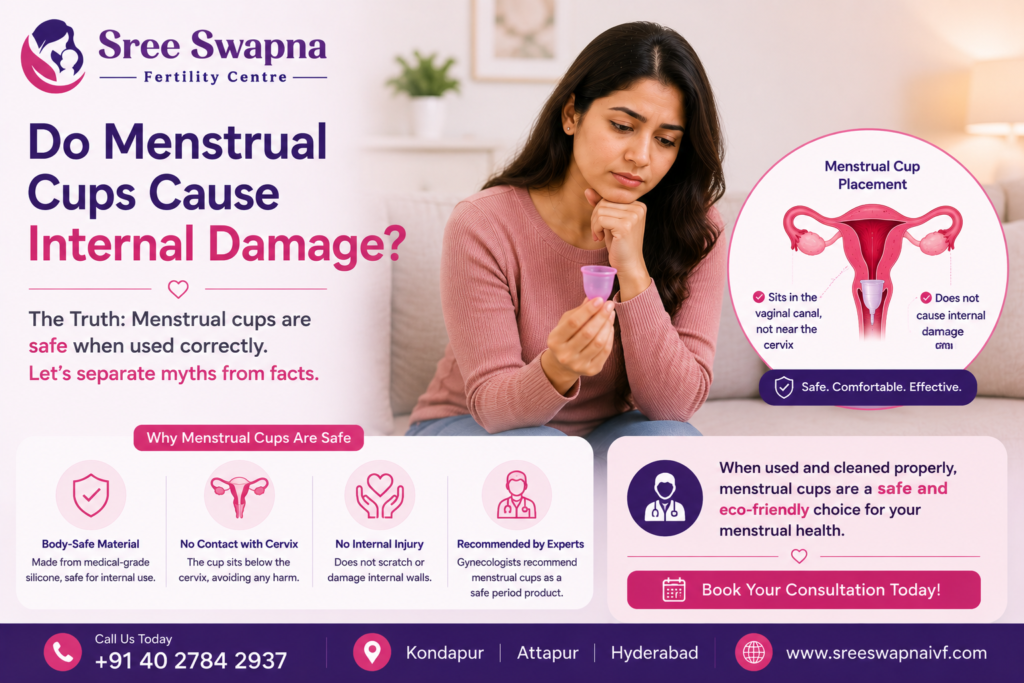
Author: Swapna

Whether you’re planning ahead or your doctor has just mentioned it as a possibility, understanding caesarean delivery in advance can make the experience far less overwhelming.

A caesarean delivery (C-section) is a common, well-established surgical procedure — but it’s still surgery, and knowing what to expect helps you feel more prepared, not more anxious.

This guide covers why a C-section might be recommended, what the procedure actually involves, and what recovery typically looks like.

What Is a Caesarean Delivery?

A caesarean delivery is a surgical procedure where a baby is delivered through an incision made in the mother’s abdomen and uterus, rather than through vaginal birth.

It can be planned in advance (elective) or performed urgently during labour if complications arise.

Why Might a C-Section Be Recommended?

Maternal Reasons

  • A prior caesarean delivery, depending on the type of uterine incision used previously
  • Pelvic shape or size making vaginal delivery difficult (cephalopelvic disproportion)
  • Certain infections, such as active genital herpes, which can be transmitted during vaginal delivery
  • Significant cardiac or pulmonary conditions
  • Prior major uterine surgery, including certain fibroid removals

Placental or Uterine Reasons

  • Placenta previa — when the placenta covers the cervix
  • Placental abruption — when the placenta separates from the uterine wall before delivery
  • A prior classical (vertical) uterine incision, which carries a higher risk of rupture in future labour

Fetal Reasons

  • Non-reassuring fetal heart rate patterns during labour
  • Umbilical cord prolapse
  • Breech or other abnormal baby positioning
  • Multiple pregnancy (twins or more), in certain positions or circumstances
  • Failed attempt at operative vaginal delivery (forceps or vacuum)

Is a C-Section Always Medically Necessary?

Not always — and this is worth understanding. The World Health Organization has stated that caesarean sections should be performed only when medically necessary, since there’s no additional benefit to maternal or newborn health once a population’s C-section rate rises above a certain threshold.

This doesn’t mean C-sections aren’t important — for many women, they’re the safest, and sometimes only, way to deliver safely. It simply means the decision should be based on genuine medical need or informed maternal choice, discussed clearly with your doctor, rather than convenience alone.

What Happens During a Caesarean Delivery?

  1. Anaesthesia: Most C-sections use a spinal block, allowing the mother to remain awake during delivery. General anaesthesia is used less often, typically in specific emergency situations.
  2. Preparation: A urinary catheter is placed, and the abdomen is cleaned with antiseptic.
  3. Incision: A horizontal incision is usually made in the lower abdomen and uterus.
  4. Delivery: The baby is delivered, the umbilical cord is clamped and cut, and the placenta is removed.
  5. Closure: The uterine and abdominal incisions are closed with stitches.

The entire procedure typically takes around 45 minutes to an hour.

What Does Recovery Look Like?

Recovery from a C-section generally takes longer than vaginal delivery, since it involves healing from major abdominal surgery.

  • Hospital stay: Typically a few days, depending on your individual recovery and hospital protocol
  • Pain management: Medication is provided to manage post-surgical discomfort
  • Mobility: Gentle movement is usually encouraged early on to support circulation and healing
  • Wound care: Keeping the incision clean and monitoring for signs of infection is important
  • Activity restrictions: Avoiding heavy lifting and strenuous activity for several weeks, as advised by your doctor

Full recovery timelines vary between individuals, so following your specific doctor’s guidance matters more than general timelines you might read online.

Can I Have a Vaginal Birth After a C-Section (VBAC)?

For some women, a vaginal birth after a previous caesarean (VBAC) is possible in a future pregnancy, depending on factors like the type of uterine incision used previously and your specific obstetric history. This is a decision to discuss in detail with your doctor well before your next delivery.

Understanding the Risks

Like any major surgery, C-sections carry some risks, including infection, bleeding, and a longer recovery period compared to vaginal birth. For future pregnancies, multiple caesarean deliveries can also increase the risk of certain placental complications. This isn’t meant to cause worry — it’s simply why the decision to proceed with a C-section, when not medically urgent, should always involve a clear discussion of risks and benefits with your doctor.

Delivery Planning at Sree Swapna Fertility Centre

For many patients who conceive through fertility treatment, delivery planning is a natural next step in the journey — and one that deserves the same thoughtful, personalised guidance as the treatment that got you there.

Dr. Swapna Naik, Clinical Director at Sree Swapna Fertility Centre, holds qualifications in Obstetrics & Gynaecology alongside her fertility specialisation, and brings over 15 years of experience in reproductive medicine. If you conceive through treatment with us, our team can help guide the conversations around your delivery plan, coordinate with your obstetric care team, and make sure your questions about C-section or vaginal delivery are answered clearly, well before your due date.

Frequently Asked Questions

1. What is a caesarean delivery? 

It’s a surgical procedure where a baby is delivered through an incision in the mother’s abdomen and uterus, rather than vaginal birth.

2. Is a C-section more dangerous than vaginal birth? 

Both carry different risk profiles. C-sections are major surgery with their own risks, but are the safest option in certain medical situations. Your doctor can advise what’s appropriate for your specific case.

3. How long does a C-section take? 

The procedure itself typically takes around 45 minutes to an hour.

4. Will I be awake during my C-section? 

In most cases, yes — a spinal block is commonly used, allowing you to remain awake while being pain-free during the procedure.

5. When is general anaesthesia used for a C-section? 

It’s generally reserved for specific emergency situations or particular medical circumstances, rather than routine use.

6. Can I have a vaginal birth after a previous C-section? 

In some cases, yes (called VBAC), depending on factors like the type of uterine incision used previously. Discuss this with your doctor.

7. How long is the hospital stay after a C-section? 

Typically a few days, though this varies based on individual recovery and hospital protocol.

8. Is a C-section always planned in advance? 

No, it can be planned ahead (elective) or performed urgently during labour if complications arise.

9. What is placenta previa, and why does it require a C-section? 

It’s a condition where the placenta covers the cervix, making vaginal delivery unsafe, so a C-section is typically recommended.

10. Does having one C-section mean I’ll always need one? 

Not necessarily — this depends on the type of uterine incision and other individual factors, which your doctor will assess for future pregnancies.

11. What are the risks of a C-section? 

Risks include infection, bleeding, and a longer recovery period, along with certain considerations for future pregnancies with multiple C-sections.

12. How soon can I move around after a C-section? 

Gentle movement is usually encouraged early in recovery to support circulation and healing, as guided by your care team.

13. Can twins be delivered via C-section? 

Yes, depending on the babies’ positions and other clinical factors, twin pregnancies are sometimes delivered via C-section.

14. Does the World Health Organization recommend C-sections for everyone? 

No, WHO guidance states that C-sections should be performed based on medical necessity, not as a routine default.

15. What is cephalopelvic disproportion? 

It’s when the baby’s size or position doesn’t fit well with the mother’s pelvic shape, making vaginal delivery difficult or unsafe.

16. Can a C-section affect future pregnancies? 

It can, particularly regarding placental complications with multiple prior C-sections, which is why your obstetric history matters for future pregnancy planning.

17. What is umbilical cord prolapse? 

It’s when the umbilical cord slips through the cervix before the baby, a situation that typically requires urgent delivery, often by C-section.

18. Is breech position always a reason for C-section? 

It’s a common reason, though the specific approach depends on the type of breech position and your doctor’s clinical assessment.

19. How long until I can resume normal activities after a C-section? 

This varies by individual, but heavy lifting and strenuous activity are generally restricted for several weeks — follow your doctor’s specific guidance.

20. Can I request a C-section without a medical reason? 

This is a decision to discuss thoroughly with your doctor, weighing the medical considerations and your personal preferences together.

21. Does a C-section affect breastfeeding? 

Most women can breastfeed successfully after a C-section, sometimes with some extra support for comfortable positioning during initial recovery.

22. Where can I get guidance on delivery planning in Hyderabad? 

Sree Swapna Fertility Centre can help guide delivery planning conversations for patients who conceive through our fertility treatment programmes.

Conclusion

A caesarean delivery is a well-established, generally safe procedure when medically indicated — and understanding what it involves in advance can make a real difference in how prepared and confident you feel. Whatever your delivery path looks like, having clear, honest conversations with your care team well before your due date is the best way to plan ahead.

Discuss Your Delivery Plan With Our Team

Whether you’re planning ahead or simply want to understand your options, Dr. Swapna Naik and the team at Sree Swapna Fertility Centre are here to guide you.

📞 Call: +91 76708 04424 / +91 40 4995 3719 💬 WhatsApp: Message us directly 📧 Email: sreeswapna.fertility@gmail.com 📍 Visit us at: Kondapur (flagship centre) or Attapur, Hyderabad 🌐 Book an appointment: sreeswapnaivf.com/contact-us
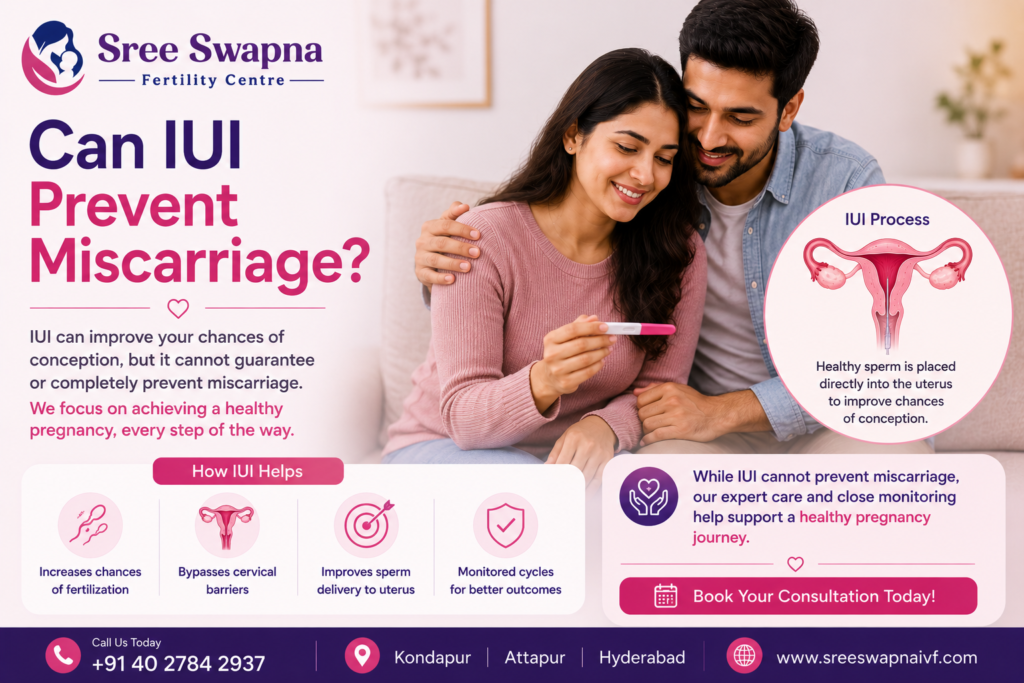
Scroll to Top

To Book an Appointment

+917670804424 📞 Call Now

Recent Posts