Best Fertility Centre – Dr. Swapna Naik

Author: Swapna

IVF Treatment Explained: A Complete Beginner’s Guide to the IVF Journey

Trying to conceive should be a time of hope and excitement, but for many couples, it turns into a heartbreaking cycle of negative pregnancy tests and silent frustration. If you have been struggling to build your family, you are not alone. Millions of couples face infertility, and modern medicine offers powerful solutions.

IVF treatment is one of the most successful and trusted pathways to parenthood. At Sree Swapna Fertility Centre, we understand the emotional and physical toll this journey takes on you. This comprehensive guide will walk you through everything you need to know about In Vitro Fertilization (IVF)—from the initial signs you might need help, to the final joyful moment of a positive test.

What is IVF Treatment? (Featured Snippet)

In Vitro Fertilization (IVF) is an advanced assisted reproductive technology where a woman’s egg is retrieved and combined with sperm in a specialized laboratory. Once a healthy embryo forms, it is carefully transferred into the uterus to establish a successful pregnancy. IVF treatment offers the highest success rates for couples struggling with various forms of infertility.

Signs You Might Need to Consider IVF (Symptoms of Infertility)

Infertility itself is a condition, and its primary “symptom” is the inability to get pregnant after 12 months of unprotected, regular intercourse (or 6 months if you are a woman over 35). However, there are several underlying signs that indicate you might need advanced reproductive assistance:

  • Irregular or Absent Menstrual Cycles: Suggests ovulation issues like Polycystic Ovary Syndrome (PCOS).

  • Severe Pelvic Pain: Often a sign of endometriosis, which can severely impact fertility.

  • Recurrent Miscarriages: Experiencing two or more miscarriages may require IVF with genetic testing (PGT-A).

  • Male Factor Issues: Difficulty with ejaculation, low sex drive, or a previous diagnosis of low sperm count.

Common Causes of Infertility

Understanding the root cause of your fertility struggles is the first step toward overcoming them. IVF treatment is highly effective at bypassing many of these common physical barriers:

  1. Blocked or Damaged Fallopian Tubes: Prevents the egg and sperm from meeting naturally.
  2. Endometriosis: Uterine tissue growing outside the uterus, causing inflammation and scarring.
  3. Ovulation Disorders: Conditions like PCOS prevent the regular release of mature eggs.
  4. Male Factor Infertility: Poor sperm motility, low sperm concentration, or abnormal sperm morphology.
  5. Unexplained Infertility: Sometimes, standard testing cannot pinpoint a cause, but IVF still provides a viable pathway to pregnancy.

Risk Factors Affecting Fertility

Certain lifestyle and biological factors can decrease your chances of natural conception and make IVF a necessary step:

  • Advanced Maternal Age: A woman’s ovarian reserve (egg quantity and quality) declines rapidly after age 35.
  • Weight Extremes: Being significantly underweight or overweight can disrupt hormone production.
  • Smoking and Alcohol: Both heavily damage egg and sperm quality.
  • Chronic Stress: High cortisol levels can interfere with reproductive hormones.

How is Infertility Diagnosed?

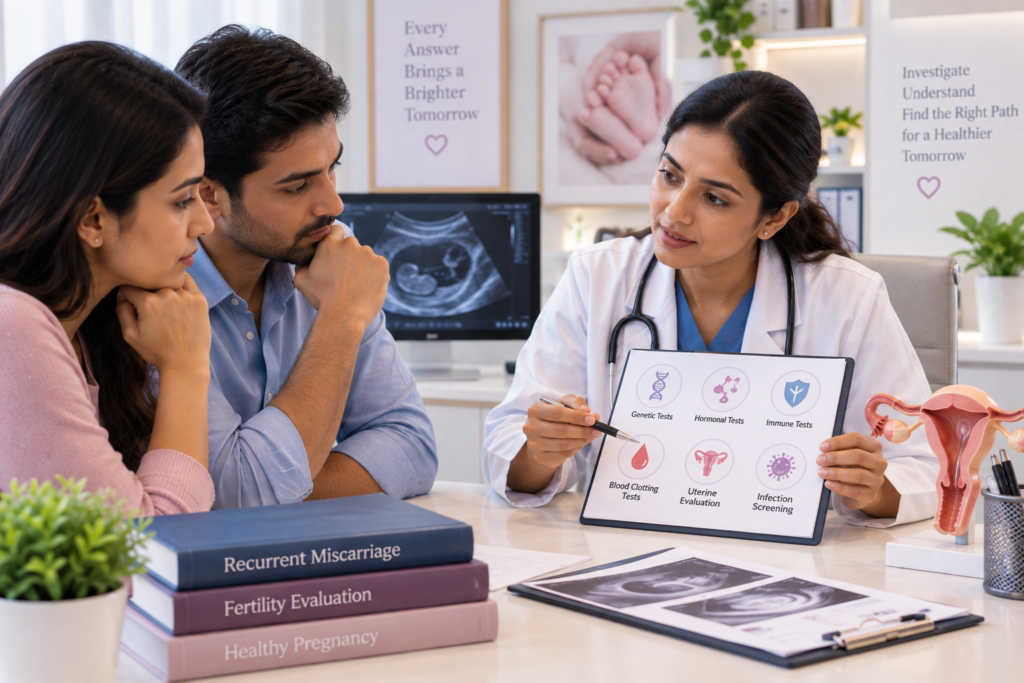
Before starting the IVF journey, your fertility specialist will conduct a thorough assessment to tailor the treatment specifically to your body.

  • Ovarian Reserve Testing: Blood tests to measure AMH (Anti-Mullerian Hormone) levels to estimate your egg supply.
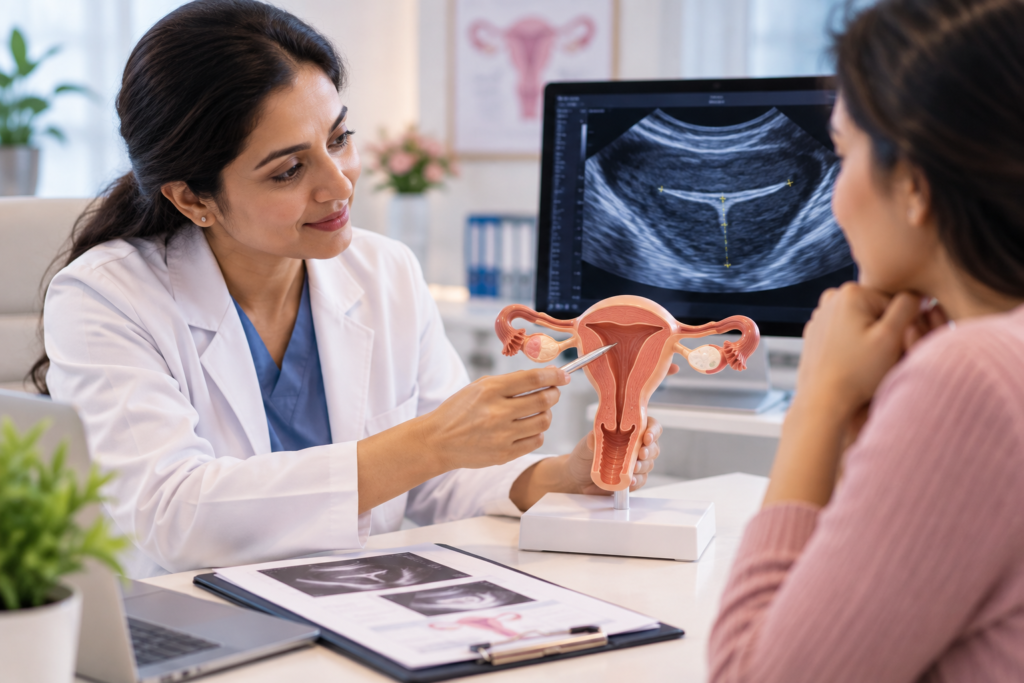
  • Transvaginal Ultrasound: To examine the health of the uterus, ovaries, and fallopian tubes.
  • Semen Analysis: A critical test for the male partner to assess sperm count, shape, and movement.
  • Infectious Disease Screening: Standard blood tests for both partners to ensure a safe pregnancy.

The IVF Treatment Process: Step-by-Step

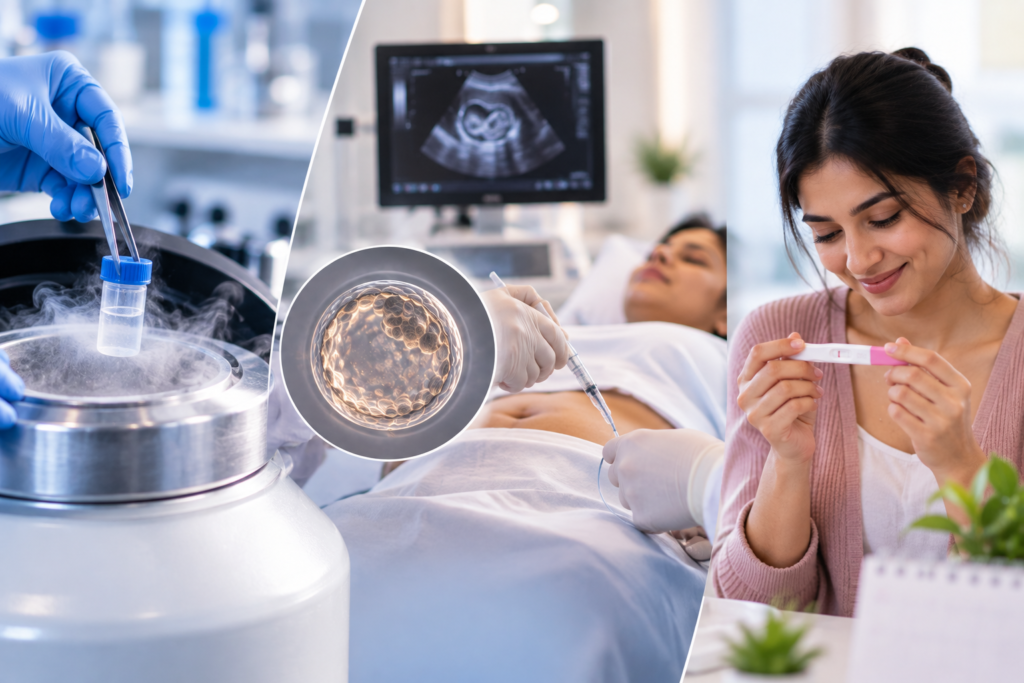
The IVF journey can seem overwhelming, but breaking it down into steps makes it much more manageable. Here is a clear overview of what to expect:

Phase

Description

Timeline

1. Ovarian Stimulation

You will take daily injectable fertility medications to stimulate your ovaries to produce multiple mature eggs instead of just one.

8 to 14 days

2. Egg Retrieval

A minor, minimally invasive surgical procedure performed under light sedation to gently extract the mature eggs from the ovaries.

15 to 20 minutes

3. Fertilization

In the lab, the retrieved eggs are combined with sperm. In cases of male infertility, a single sperm is injected directly into the egg (ICSI).

1 to 5 days

4. Embryo Culture

The fertilized eggs develop into embryos. Our embryologists monitor them closely as they reach the advanced blastocyst stage.

3 to 6 days

5. Embryo Transfer

The healthiest embryo is carefully placed into your uterus using a thin catheter. This procedure is quick and generally painless.

10 to 15 minutes

Non-Surgical and Alternative Fertility Treatments

Not every patient requires IVF right away. Depending on your diagnosis, we may recommend starting with less invasive options:

  • Intrauterine Insemination (IUI): A procedure where concentrated sperm is placed directly into the uterus during ovulation.
  • Ovulation Induction: Using oral medications (like Letrozole or Clomid) to trigger regular ovulation for timed intercourse.

Prevention Tips for Preserving Fertility

While you cannot stop biological aging, you can adopt habits that protect your reproductive health:

  • Maintain a balanced, nutrient-rich diet (focus on antioxidants, folic acid, and healthy fats).
  • Engage in moderate, consistent exercise (avoid extreme, exhausting physical regimens).
  • Quit smoking and limit alcohol and caffeine intake.
  • Manage stress through yoga, meditation, or counseling.

When to See a Fertility Doctor

Time is of the essence in fertility care. You should book a consultation if:

  • You are under 35 and have been trying to conceive for a year.
  • You are over 35 and have been trying for six months.
  • You are over 40 (seek immediate consultation).
  • You have a known reproductive issue (like PCOS or endometriosis) or irregular periods.

The Life-Changing Benefits of Early Treatment

Delaying a consultation is one of the most common regrets we hear from patients. Seeking early intervention offers immense benefits:

  • Higher Success Rates: Egg quality is deeply tied to age. Treating infertility sooner yields much higher clinical pregnancy rates.
  • More Treatment Options: Catching issues early means less invasive treatments (like IUI) might still be viable.
  • Financial Savings: Early diagnosis often means fewer failed cycles and reduced overall emotional and financial strain.
  • Peace of Mind: Finally having a clear medical plan drastically reduces the anxiety of the unknown.

Why Choose Sree Swapna Fertility Centre?

When embarking on this deeply personal journey, choosing the right medical partner is crucial. Sree Swapna IVF is widely recognized as the Best IVF Centre in Hyderabad, renowned for combining cutting-edge technology with deeply compassionate care.

Whether you are looking for the Best IVF Centre in Kondapur or seeking the Best IVF Centre in Attapur, our highly accessible, state-of-the-art facilities offer world-class embryology labs and individualized protocols. We don’t believe in a one-size-fits-all approach; we treat you, tailoring every medication and timeline to maximize your specific chances of bringing home a healthy baby.

Holistic Health: Managing Physical Stress During Pregnancy

Achieving a successful pregnancy through IVF is a beautiful milestone, but the physical changes of carrying a child can sometimes bring musculoskeletal discomfort. Because we care about your holistic well-being throughout your entire journey to motherhood, we also guide patients on managing physical changes.

As your body adapts to pregnancy, it is common to experience changes in your posture and joint pressure. We provide resources and trusted internal referrals for comprehensive care, including:

  • [Back Pain Treatment] – To help alleviate the lower lumbar strain caused by a growing baby bump.
  • [Sciatica Treatment] – To relieve sharp nerve pain that can occur when the baby rests on the sciatic nerve.
  • [Spine Care] and [Neck Pain Treatment] – Essential for maintaining proper posture as your center of gravity shifts.
  • [Migraine Treatment] – For managing pregnancy-induced hormonal headaches safely.
  • [Knee Pain Treatment] – To support your joints as they carry the extra weight of pregnancy.

Doctor Consultation: Meet Our Expert Specialists

Your dream of parenthood deserves the highest level of medical expertise. At Sree Swapna Fertility Centre, our expert fertility and pain management specialists are dedicated to diagnosing the root cause of your struggles and mapping out a clear, confident path forward. We use state-of-the-art diagnostic tools to ensure no stone is left unturned.

Don’t let another month end in disappointment. Take control of your fertility journey today.

Call us now at 7670804424 to schedule your private consultation.

Frequently Asked Questions (FAQs)

  1. Is IVF treatment painful? While the daily injections can cause minor discomfort or bruising, the actual medical procedures (like egg retrieval) are performed under sedation, ensuring you do not feel pain. Embryo transfer feels similar to a routine pap smear.
  2. How long does one IVF cycle take? A standard IVF cycle takes about 4 to 6 weeks from the start of ovarian stimulation to the pregnancy blood test.
  3. What is the success rate of IVF? Success rates vary based on maternal age, medical history, and lifestyle factors. However, IVF generally offers the highest success rate per cycle of any fertility treatment, often ranging between 40% to 60% for younger women.
  4. Are there any side effects to fertility drugs? Some women experience mild side effects from hormone medications, such as bloating, breast tenderness, mood swings, and minor cramping. These are temporary and closely monitored by our doctors.
  5. How much rest is required after an embryo transfer? Strict bed rest is no longer recommended. We advise patients to rest for the remainder of the day of the transfer, and then return to light, normal daily activities while avoiding heavy lifting and vigorous exercise.

Conclusion

The journey through infertility is undoubtedly one of the most challenging experiences a couple can face. However, with the right guidance, technology, and support, your dream of having a baby is highly achievable. IVF treatment has brought joy to millions of families worldwide, turning the despair of infertility into the ultimate gift of life.

You do not have to walk this path alone. Sree Swapna Fertility Centre is here to hold your hand through every ultrasound, every injection, and every milestone until you are holding your baby.

Ready to Start Your Family?

Your journey to parenthood starts with a simple conversation. Stop waiting and start acting. Book an appointment with our leading fertility specialists today and take the first step toward a beautiful tomorrow.

📞 Call us today at 7670804424 to book your consultation!

Author: Swapna

Overcoming PCOS and Infertility: Understanding the Connection and Your Path to Motherhood

Trying to start a family should be a joyful journey, but when month after month ends in disappointment, it can feel incredibly isolating. If you have been diagnosed with Polycystic Ovary Syndrome (PCOS), you might feel like your own body is working against your dreams of motherhood. You are not alone. PCOS infertility is one of the most common causes of female reproductive struggles, affecting millions of women worldwide.

The fear that you might never hold your own baby is overwhelming, but there is immense hope. With the right medical guidance, lifestyle adjustments, and advanced reproductive technologies, the vast majority of women with PCOS go on to have successful, healthy pregnancies.

What is PCOS and How Does it Cause Infertility? 

Polycystic Ovary Syndrome (PCOS) causes infertility by disrupting hormonal balance, which prevents regular ovulation. Without the consistent release of a healthy egg, natural conception becomes highly unlikely. However, with targeted lifestyle changes, fertility medications, and advanced assisted reproductive treatments like IVF, most women with PCOS can successfully overcome these barriers and conceive.

The Root of the Problem: Symptoms, Causes, and Risk Factors

To effectively treat PCOS, it is crucial to understand how it impacts your body as a whole. PCOS is an endocrine disorder that creates a domino effect of hormonal imbalances.

Common Symptoms of PCOS

PCOS presents differently in every woman, but common signs include:

  • Irregular or absent menstrual periods: A direct sign that ovulation is not occurring normally.
  • Excess androgen levels: Leading to unwanted facial or body hair growth (hirsutism) and severe adult acne.
  • Weight gain: Particularly around the abdomen, which is often difficult to lose despite diet and exercise.
  • Chronic pain: Including severe pelvic cramping, heavy periods, and associated lower back pain during irregular cycles.
  • Thinning hair: Hair loss on the scalp that mimics male-pattern baldness.

Causes and Hidden Risk Factors

While the exact cause of PCOS remains unknown, several key factors play a massive role in its development:

  • Insulin Resistance: Up to 70% of women with PCOS have insulin resistance, meaning their cells cannot use insulin properly. The body compensates by producing more insulin, which triggers the ovaries to produce excess male hormones (androgens).
  • Low-Grade Inflammation: Research shows that women with PCOS often experience chronic, low-grade inflammation, which stimulates polycystic ovaries to produce androgens, further complicating fertility.
  • Genetics: If your mother or sister has PCOS, your risk of developing the condition is significantly higher.
  • Weight: Being overweight or obese exacerbates insulin resistance and hormonal imbalances, creating a challenging cycle.

How is PCOS Infertility Diagnosed?

Accurate diagnosis is the first step toward building your family. At a specialized fertility clinic, doctors will perform a comprehensive evaluation that typically includes:

  • Detailed Medical History: Discussing your menstrual cycles, weight changes, and overall health.
  • Pelvic Ultrasound: To check the appearance of your ovaries and the thickness of the uterine lining. Ovaries might appear enlarged and contain numerous small follicles (cysts) surrounding the eggs.
  • Blood Tests: To measure hormone levels (including androgens, LH, and FSH), check glucose tolerance, and evaluate cholesterol and triglyceride levels.

Comprehensive Treatment Options for PCOS Infertility

Finding the right treatment requires a personalized approach. What works for one patient may not work for another.

Non-Surgical Treatments and Lifestyle Modifications

Before moving to complex procedures, fertility specialists often recommend conservative approaches:

  • Weight Management: Losing just 5% to 10% of your body weight can restore regular menstrual cycles and spontaneous ovulation.
  • Dietary Adjustments: A low-glycemic, anti-inflammatory diet helps combat insulin resistance.
  • Ovulation Induction Medications: Drugs like Letrozole or Clomiphene Citrate are often the first line of medical treatment to stimulate the ovaries to release an egg.
  • Insulin-Sensitizing Drugs: Medications like Metformin can improve insulin resistance, thereby lowering androgen levels and encouraging regular ovulation.

Advanced Fertility Treatments (IUI & IVF)

When lifestyle changes and basic medications are not enough, advanced reproductive technologies offer incredible success rates.

  • Intrauterine Insemination (IUI): A procedure where concentrated, healthy sperm is placed directly into the uterus during ovulation.
  • In Vitro Fertilization (IVF): For patients who do not respond to ovulation induction, IVF is the gold standard. During IVF, eggs are retrieved from the ovaries, fertilized in a lab, and a healthy embryo is transferred to the uterus. If you are seeking the Best IVF Centre in Hyderabad, it is essential to choose a clinic with a specialized focus on endocrine disorders to prevent complications like Ovarian Hyperstimulation Syndrome (OHSS). Patients traveling from surrounding areas often look for the Best IVF Centre in Kondapur or the Best IVF Centre in Attapur to ensure they receive top-tier, accessible care.

Managing the Physical Toll of PCOS: Why Pain Management Matters

PCOS does not just affect the reproductive system; it impacts the entire body. The hormonal fluctuations, sudden weight gain, and chronic inflammation associated with PCOS can lead to severe musculoskeletal issues.

For instance, the added weight and core weakness can place immense strain on your spine and joints. Many women with PCOS require a multidisciplinary approach to their health. This is why we often work alongside expert pain specialists. Addressing chronic discomfort through proper Back Pain Treatment and targeted Knee Pain Treatment can drastically improve a patient’s ability to exercise, which is crucial for managing PCOS weight gain.

Furthermore, hormonal spikes frequently trigger debilitating headaches that require specialized Migraine Treatment. Poor posture resulting from chronic pelvic pain can even lead to issues requiring Neck Pain Treatment or comprehensive Spine Care. In some severe cases, referred nerve pain from pelvic inflammation mimics symptoms that require Sciatica Treatment. A healthy, pain-free body is much better equipped to handle the physical demands of fertility treatments and pregnancy.

Prevention Tips: Managing PCOS Flare-Ups

While PCOS cannot be entirely cured, its symptoms—and its impact on your fertility—can be heavily managed and prevented from worsening:

  • Maintain a consistent exercise routine (aim for 150 minutes of moderate cardio per week).
  • Focus on whole foods, lean proteins, and complex carbohydrates.
  • Prioritize stress management techniques, such as yoga or meditation, to keep cortisol levels in check.
  • Track your menstrual cycles meticulously so you and your doctor can spot irregularities early.

Benefits of Early Treatment

Delaying treatment for PCOS infertility can make the journey to motherhood longer and more difficult. Seeking help early offers significant advantages.

Aspect

Early Intervention

Delayed Intervention

Ovarian Reserve

Higher egg quality and quantity

Potential decline in egg quality over time

Treatment Complexity

Often resolves with simple medications

May require multiple rounds of IVF

Associated Health Risks

Lower risk of Type 2 diabetes and hypertension

Increased risk of chronic metabolic conditions

Emotional Toll

Shorter path to success, less anxiety

Prolonged stress, financial strain, and frustration

When to See a Doctor

If you have been diagnosed with PCOS and have been trying to conceive for six months without success, you should consult a fertility specialist immediately. Do not wait a full year. Because PCOS inherently means you are not ovulating regularly, you are missing the crucial monthly windows for conception.

Why Choose Sree Swapna Fertility Centre?

At Sree Swapna Fertility Centre, we understand that every fertility journey is deeply personal and emotionally taxing. We do not just treat a diagnosis; we treat you.

Our state-of-the-art facility is equipped with the latest reproductive technology, and our team of compassionate fertility experts is dedicated to creating customized treatment plans that prioritize your physical and emotional well-being. From advanced IVF protocols designed specifically to protect PCOS patients from overstimulation, to a warm, supportive environment, we are committed to turning your dream of parenthood into a reality.

Doctor Consultation: Your Next Step Towards Motherhood

Do not let PCOS dictate your family’s future. Our multidisciplinary team, including renowned fertility experts and affiliated expert pain specialists, is ready to help you regain control of your body and your fertility. We will walk you through every step, from initial diagnosis to the moment you hear your baby’s heartbeat.

Frequently Asked Questions (FAQs)

1. Can I get pregnant naturally if I have PCOS?

Yes, it is possible. Many women with mild PCOS can conceive naturally by adopting a healthy lifestyle, losing weight, and managing their insulin resistance. However, if cycles remain highly irregular, medical intervention is usually required.

2. Are women with PCOS at a higher risk for pregnancy complications?

Unfortunately, yes. Women with PCOS have a slightly higher risk of gestational diabetes, pregnancy-induced hypertension, and premature delivery. This is why early treatment and close monitoring by a specialist are crucial.

3. Does IVF work well for PCOS infertility?

Absolutely. IVF is highly successful for women with PCOS. Because women with PCOS often have a high ovarian reserve (many eggs), they typically respond very well to IVF stimulation, often yielding a good number of embryos.

4. How does weight loss improve PCOS fertility?

Losing just 5-10% of your body weight significantly reduces insulin levels. Lower insulin levels help decrease the production of excess male hormones, allowing the ovaries to resume regular ovulation.

5. What is the success rate of fertility treatments for PCOS at the Best IVF Centre in Hyderabad?

While success rates vary based on age and individual health factors, reputable clinics like Sree Swapna Fertility Centre see excellent success rates for PCOS patients, often exceeding national averages due to customized stimulation protocols and advanced lab technologies.

Conclusion

A PCOS diagnosis is a hurdle, not a roadblock. The connection between PCOS and infertility is complex, but modern medicine has made it highly treatable. By understanding your symptoms, seeking timely medical advice, and exploring the advanced fertility treatments available today, you are taking empowering steps toward the family you deserve. Your journey may look a little different than you originally planned, but the destination—holding your baby—is entirely within reach.

Take the First Step Today

You do not have to navigate the heartbreak of infertility alone. If you are struggling with PCOS and want to explore your options with the Best IVF Centre in Hyderabad, we are here to help.

Book your personalized consultation today and let us help you bring your dream baby home.

Call us for Appointments and Queries: 7670804424

Visit us at: https://sreeswapnaivf.com

Author: Swapna

Understanding Female Infertility Causes: Common Factors Affecting Pregnancy

Trying for a baby is one of the most beautiful dreams for any couple. However, when months turn into years without a positive pregnancy test, it can quickly become an emotionally overwhelming journey. If you are struggling to conceive, please know that you are not alone. Millions of women face reproductive challenges, and understanding the root of the problem is the very first step toward a solution. In this comprehensive guide, we will explore the most common female infertility causes, the early warning signs you shouldn’t ignore, and the advanced treatments available to help you finally hold your little one.

What are the main causes of female infertility?

Female infertility causes primarily include ovulation disorders like PCOS, blocked or damaged fallopian tubes, endometriosis, and age-related decline in egg quality. Additionally, hormonal imbalances and structural issues in the uterus can prevent successful conception. Identifying these underlying factors early is essential for effective fertility treatment and achieving pregnancy.

What Are the Early Symptoms of Female Infertility?

Often, the only glaring symptom of infertility is the inability to get pregnant after one year of regular, unprotected intercourse (or six months if you are over 35). However, your body may send subtle warning signs that indicate an underlying issue:

  • Irregular or Absent Periods: Menstrual cycles that are too long (35+ days), too short (less than 21 days), or completely absent suggest that you may not be ovulating regularly.
  • Severe Pelvic and Back Pain: Extremely painful periods, heavy bleeding, and chronic lower back pain can be signs of endometriosis or uterine fibroids.
  • Hormonal Fluctuations: Unexplained weight gain, severe acne, thinning hair, or excess facial hair often point to Polycystic Ovary Syndrome (PCOS).
  • Pain During Intercourse: This can be a symptom of underlying infections or endometriosis.

The Most Common Female Infertility Causes Explained

Conception is a complex process. For a healthy pregnancy to occur, your ovaries must release an egg, the egg must travel down a healthy fallopian tube, be fertilized by sperm, and finally implant itself securely in the uterus. If there is a disruption at any of these stages, infertility can result.

Here are the primary female infertility causes you should know about:

Ovulation Disorders

Ovulation disorders account for a significant percentage of female infertility cases. If you do not ovulate, there is no egg available for fertilization. The most common culprit is Polycystic Ovary Syndrome (PCOS), a hormonal imbalance that disrupts normal ovulation. Other factors include premature ovarian failure (POI) and thyroid gland issues (both overactive and underactive thyroids).

Fallopian Tube Damage (Tubal Infertility)

The fallopian tubes are the pathways that carry the egg from the ovary to the uterus. If they are blocked or damaged, sperm cannot reach the egg. Tubal damage is frequently caused by Pelvic Inflammatory Disease (PID), previous abdominal surgeries, or untreated sexually transmitted infections (STIs).

Endometriosis and Pelvic Pain

Endometriosis occurs when tissue similar to the lining of the uterus grows outside of it. This rogue tissue can block fallopian tubes, damage ovaries, and create an inflammatory environment that makes implantation difficult. Furthermore, endometriosis is a leading cause of severe pelvic and lower back pain, often requiring intervention from both fertility and expert pain specialists to manage the patient’s quality of life.

Uterine or Cervical Causes

Structural abnormalities can interfere with the implantation of a fertilized egg. Benign polyps or fibroids in the uterus are common and can block the fallopian tubes or disrupt the uterine cavity. Additionally, cervical mucus issues can prevent sperm from effectively traveling through the cervix to reach the egg.

Key Risk Factors You Should Know

While some causes of infertility are genetic or structural, several lifestyle factors and external risks can impact your reproductive health:

  • Age: A woman’s fertility naturally begins to decline in her early 30s, with a sharper drop after age 37 due to a decrease in egg quantity and quality.
  • Weight: Being significantly overweight or underweight can disrupt hormone production and inhibit normal ovulation.
  • Smoking and Alcohol: Tobacco use damages your cervix and fallopian tubes, while excessive alcohol consumption is linked to an increased risk of ovulation disorders.
  • High Stress Levels: Chronic stress can interfere with the hormones responsible for triggering ovulation.

Diagnosis: How Do We Identify the Issue?

If you suspect you are dealing with infertility, a thorough medical evaluation is vital. At our clinic, we utilize advanced diagnostic tools to pinpoint the exact issue.

Diagnostic Test

What It Checks

Blood Tests

Hormone levels, thyroid function, and ovulation confirmation (e.g., AMH, FSH, Progesterone).

Pelvic Ultrasound

Examines the uterus and ovaries for structural issues like cysts or fibroids.

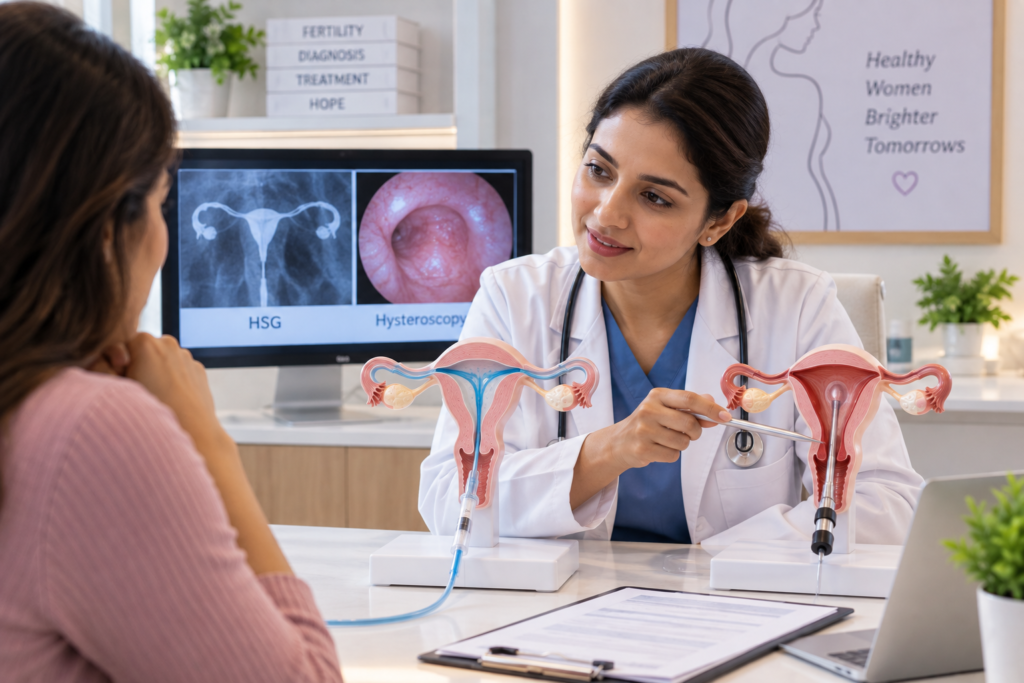
Hysterosalpingography (HSG)

An X-ray procedure to check for blockages in the fallopian tubes.

Laparoscopy

A minimally invasive surgery to identify endometriosis, scarring, or pelvic organ damage.

Effective Treatment Options for Female Infertility

The right treatment depends on the specific cause of your infertility, your age, and your personal preferences. Thanks to modern medical advancements, the majority of couples can eventually go on to have a healthy baby.

Non-Surgical Treatments & Medications

If your infertility is caused by ovulation issues, non-surgical treatments are usually the first step. Fertility drugs, such as Clomiphene citrate or Letrozole, are highly effective at stimulating the ovaries to release eggs. Additionally, lifestyle modifications—such as weight management, nutritional counseling, and stress reduction—can naturally restore ovulation in some women.

Advanced Fertility Treatments (IVF & IUI)

When medications alone aren’t enough, Assisted Reproductive Technology (ART) offers incredible success rates:

  • Intrauterine Insemination (IUI): Healthy sperm is collected, washed, and placed directly into the uterus around the time of ovulation.
  • In Vitro Fertilization (IVF): Eggs are retrieved from the ovaries, fertilized with sperm in a specialized lab, and the resulting healthy embryo is transferred directly into the uterus.

Prevention Tips for a Healthy Reproductive System

While you cannot prevent age-related decline or genetic conditions, you can adopt healthy habits to protect your fertility:

  • Maintain a healthy Body Mass Index (BMI).
  • Quit smoking and limit caffeine and alcohol intake.
  • Manage chronic conditions like diabetes or thyroid disorders.
  • Practice safe sex to prevent STIs that can cause pelvic inflammatory disease.
  • Manage stress through yoga, meditation, or counseling.

When Is It Time to See a Doctor?

Timing is critical when it comes to fertility. You should schedule a consultation if:

  • You are under 35 and have been trying to conceive for 12 months.
  • You are 35 or older and have been trying for 6 months.
  • You are over 40 (seek immediate consultation).
  • You have a history of irregular periods, severe pelvic pain, endometriosis, or multiple miscarriages.

The Benefits of Early Treatment

Ignoring the early signs of infertility will not make the problem disappear. Seeking early treatment offers several distinct advantages. First, it significantly increases your chances of a successful pregnancy, as egg quality and quantity are preserved. Second, early diagnosis can help manage underlying conditions like endometriosis before they cause irreversible damage or debilitating chronic pain. Finally, getting a clear diagnosis provides peace of mind and reduces the intense emotional anxiety associated with the unknown.

Why Choose Sree Swapna Fertility Centre?

Overcoming infertility requires a compassionate team, state-of-the-art technology, and a customized treatment plan. Sree Swapna Fertility Centre is proudly recognized as the Best IVF Centre in Hyderabad, offering world-class reproductive care tailored to your unique needs.

We understand that convenience and accessibility matter. That is why our highly successful treatment protocols are also available at our specialized branches, operating as the Best IVF Centre in Kondapur and the Best IVF Centre in Attapur. From advanced diagnostics to compassionate emotional support, our singular goal is to help you build the family of your dreams.

Consult Our Expert Fertility & Pain Specialists

Fertility struggles are frequently accompanied by physical discomfort, especially if conditions like endometriosis or fibroids are causing severe lower back or pelvic pain. Our multidisciplinary team includes not only top-tier fertility doctors but also expert pain specialists who ensure that your journey to motherhood is as comfortable and stress-free as possible. Don’t let infertility dictate your future—take the first step toward parenthood today.

FAQs Section

Q1: What are the most common female infertility causes?

The most frequent causes include ovulation disorders (like PCOS), blocked fallopian tubes, endometriosis, poor egg quality due to aging, and uterine abnormalities such as fibroids.

Q2: Can stress cause female infertility?

Yes, chronic and severe stress can disrupt the communication between your brain and ovaries, leading to delayed or absent ovulation. However, stress alone is rarely the sole cause of long-term infertility.

Q3: How do I know if I have blocked fallopian tubes?

Blocked fallopian tubes rarely present obvious symptoms. Most women only discover the blockage during a fertility evaluation through an X-ray test called an HSG (Hysterosalpingography).

Q4: Is IVF the only option for treating female infertility?

No, IVF is not the only option. Depending on the diagnosis, many women successfully conceive using fertility medications, lifestyle changes, minor surgical corrections, or less invasive procedures like IUI.

Q5: Can endometriosis-related infertility be cured?

While endometriosis cannot be permanently cured, its impact on fertility can be highly managed. Surgical removal of the endometrial tissue or proceeding directly to IVF are both highly successful strategies for achieving pregnancy.

Take the First Step Toward Your Dream Family Today!

Don’t wait and wonder. Get clarity, expert guidance, and a personalized fertility plan from the top specialists in the region.

Book your consultation with Sree Swapna Fertility Centre now!

📞 Call for Appointments & Queries: 7670804424

Author: Swapna

Overcoming Fatherhood Challenges: Your Guide to Male Infertility Treatment

Dealing with infertility can feel like a lonely and overwhelming journey. Often, the conversation around fertility struggles focuses heavily on women, leaving men to navigate their emotional and physical hurdles in silence. If you and your partner have been trying to conceive without success, it is important to know that you are not alone. In fact, male factors contribute to nearly half of all infertility cases.

The good news is that modern medicine offers incredible hope. Finding the right male infertility treatment can help you overcome these hurdles and achieve your dream of starting a family. This comprehensive guide will walk you through the causes, symptoms, and the most effective solutions available today, empowering you to take the next step with confidence.

What is Male Infertility Treatment?

Male infertility treatment involves medical, surgical, or assisted reproductive techniques designed to improve a man’s ability to conceive a child naturally or through IVF. Treatments range from lifestyle modifications and hormone therapy to advanced procedures like Intracytoplasmic Sperm Injection (ICSI) and varicocele surgery, depending on the underlying cause of infertility.

Recognizing the Symptoms

In most cases, the primary sign of male infertility is the inability to conceive a child after a year of regular, unprotected intercourse. There are often no other obvious signs. However, depending on the underlying cause—such as an inherited disorder, a hormonal imbalance, or blocked sperm ducts—some men may experience the following symptoms:

  • Problems with sexual function, such as difficulty with ejaculation or erectile dysfunction
  • Pain, swelling, or a lump in the testicular area
  • Decreased facial or body hair, signaling a chromosomal or hormonal abnormality
  • A lower-than-normal sperm count (fewer than 15 million sperm per milliliter of semen)

Understanding the Causes

Male infertility is a complex issue that can stem from various physical and biological factors. To find the right solution, doctors first need to pinpoint the root cause.

Medical Causes

Several medical conditions can interfere with sperm production or delivery:

  • Varicocele: A swelling of the veins that drain the testicle, which is the most common reversible cause of male infertility.
  • Infections: Certain infections, including sexually transmitted infections (STIs) or inflammation of the testicles, can affect sperm health or cause scarring that blocks sperm passage.
  • Ejaculation Issues: Retrograde ejaculation occurs when semen enters the bladder instead of emerging through the penis during orgasm.
  • Hormonal Imbalances: Disorders of the testicles or an abnormality affecting the hypothalamus, pituitary, or thyroid glands can disrupt fertility.

Environmental Causes

Overexposure to certain environmental elements can drastically reduce sperm count:

  • Industrial chemicals and heavy metals
  • Radiation or X-rays
  • Overheating the testicles (frequent use of saunas or hot tubs)

Lifestyle Risk Factors

Your daily habits play a significant role in reproductive health. Key risk factors include:

  • Smoking tobacco or using illicit drugs
  • Excessive alcohol consumption
  • Being overweight or obese
  • Severe emotional stress or depression

The Diagnosis Process

If you suspect fertility issues, seeking a professional diagnosis is the first crucial step. At a specialized fertility clinic, the diagnostic process is handled with total privacy and care.

Your doctor will begin with a thorough physical examination and a review of your medical history. From there, the most common test is a Semen Analysis. You will provide a semen sample, which a laboratory will analyze for sperm count, shape (morphology), and movement (motility).

If the initial analysis shows abnormalities, your doctor may recommend further testing:

  • Scrotal Ultrasound: To check for varicoceles or other testicular issues.
  • Hormone Testing: To measure testosterone and other hormones regulating sperm production.
  • Post-ejaculation Urinalysis: To determine if sperm is traveling backward into the bladder.
  • Genetic Tests: To rule out inherited syndromes.

Advanced Male Infertility Treatment Options

Once a diagnosis is made, your specialist will tailor a male infertility treatment plan specific to your needs. Medical advancements have made it possible for many men with severe infertility to father children.

Underlying Cause

Recommended Treatment Option

Varicocele or Blocked Ducts

Surgical repair (Varicocelectomy) or duct reconstruction

Reproductive Tract Infections

Targeted antibiotic therapy

Hormonal Imbalances

Hormone replacement medications

Low Sperm Count / Unexplained

Assisted Reproductive Technology (IVF or ICSI)

Non-Surgical Treatments

Not all fertility issues require surgery. Many patients see significant improvements through non-surgical interventions:

  • Medications: Hormone treatments can balance endocrine issues, while specific medications can treat erectile dysfunction or premature ejaculation.
  • Lifestyle Optimization: Losing weight, quitting smoking, and reducing alcohol intake can naturally boost sperm quality.
  • Antioxidant Supplements: Vitamins C, E, and CoQ10 are sometimes recommended to reduce oxidative stress on sperm.

Assisted Reproductive Technology (ART)

When natural conception isn’t possible, ART offers highly successful pathways to parenthood. Techniques like In Vitro Fertilization (IVF) paired with Intracytoplasmic Sperm Injection (ICSI) have revolutionized male infertility care. During ICSI, a single healthy sperm is injected directly into an egg, bypassing the need for the sperm to swim and penetrate the egg on its own.

Prevention Tips for Better Reproductive Health

While not all causes of infertility are preventable, you can take proactive steps to protect your fertility:

  • Maintain a healthy weight through a balanced diet and regular exercise.
  • Avoid sexually transmitted infections by practicing safe sex.
  • Manage stress through relaxation techniques or counseling.
  • Limit exposure to environmental toxins and heavy metals.
  • Avoid keeping laptops directly on your lap to prevent testicular overheating.

Benefits of Early Treatment

Time is a critical factor in reproductive medicine. Seeking early evaluation and treatment offers several distinct advantages:

  • Higher Success Rates: Diagnosing issues early often means simpler, less invasive treatments are highly effective.
  • Reduced Anxiety: Understanding the exact cause of your struggle eliminates the stress of the unknown.
  • Comprehensive Care: Early intervention allows doctors to rule out other serious underlying health conditions, such as tumors or metabolic disorders.

When to See a Doctor?

You should consider consulting a fertility specialist if you have been trying to conceive for a year without success. However, you should seek help sooner if you experience pain, discomfort, or swelling in the groin area.

Because pelvic and groin pain can sometimes overlap with other conditions, our clinic integrates the expertise of advanced fertility specialists as well as expert pain specialists to ensure your holistic well-being is addressed.

Why Choose Sree Swapna Fertility Centre?

When you are facing the emotional weight of infertility, choosing the right medical partner makes all the difference. Recognized as the Best IVF Centre in Hyderabad, Sree Swapna Fertility Centre combines cutting-edge technology with deep compassionate care.

We understand that convenience and accessibility matter during your treatment journey. That is why we extend our world-class services across multiple locations. Whether you are looking for the Best IVF Centre in Kondapur or the Best IVF Centre in Attapur, our expert team is equipped to provide tailored, patient-first fertility solutions. We prioritize ethical practices, transparent communication, and the highest standard of clinical excellence to help you build your family.

Consult Our Expert Specialists Today

Do not let infertility define your family’s future. The right diagnosis and a personalized treatment plan can turn your dream of parenthood into a reality. At Sree Swapna Fertility Centre, our multidisciplinary team of fertility doctors, embryologists, and expert pain specialists are ready to guide you through every step of the process.

Ready to take the first step?

Call us today to schedule your confidential consultation and begin your journey toward fatherhood.

📞 Call for Appointments & Queries: 7670804424

Frequently Asked Questions

1. Can male infertility be cured completely?

Many causes of male infertility, such as varicoceles or hormonal imbalances, can be treated and reversed successfully. For conditions that cannot be completely cured, advanced treatments like IVF and ICSI still allow men to father biological children.

2. How long does male infertility treatment usually take?

The timeline varies depending on the specific treatment. Medication or lifestyle changes may take 3 to 6 months to show improvements in sperm quality, as new sperm takes about 72 days to develop.

3. Does lifestyle really affect male fertility?

Yes, lifestyle plays a massive role. Smoking, excessive alcohol consumption, obesity, and high stress levels can drastically lower sperm count and motility. Adopting a healthier lifestyle is often the first line of defense.

4. Is IVF necessary for all male infertility cases?

No. IVF is a highly effective option for severe cases, but many men achieve natural pregnancies with their partners after receiving targeted medications, lifestyle guidance, or minor surgical procedures.

5. Are male fertility tests painful?

No, the primary test for male infertility is a simple semen analysis, which is non-invasive and painless. Other tests, like scrotal ultrasounds or blood draws for hormone checks, are also standard and comfortable procedures.

Don’t wait to build the family you’ve always dreamed of. Contact Sree Swapna Fertility Centre today to explore the most advanced male infertility treatments available.

📞 Call us at 7670804424 to book your appointment!

Author: Swapna

Understanding Low Sperm Count: Common Causes and Effective Treatment Options

Trying to start a family is a beautiful dream, but when the journey takes longer than expected, it can become emotionally overwhelming. If you and your partner have been struggling to conceive, you are not alone. Male infertility plays a role in nearly half of all infertility cases, and a low sperm count is one of the most common reasons behind it.

Hearing that your sperm parameters are below average can feel discouraging, but it is important to remember that medical science has advanced incredibly. Today, a low count does not mean you cannot become a father.

In this comprehensive guide, we will explore the root causes of this condition, how it is diagnosed, and the highly effective treatment options available today—including advanced fertility solutions that can help you achieve your dream of parenthood.

What is a Low Sperm Count? (Featured Snippet)

Low sperm count, medically known as oligospermia, means that the fluid (semen) you ejaculate contains fewer sperm than normal. A healthy sperm count ranges from 15 million to over 200 million sperm per milliliter of semen. Counts below 15 million are considered low and can significantly decrease the chances of natural conception.

Common Signs and Symptoms

For most men, the only visible sign of a low sperm count is the inability to conceive a child after a year of regular, unprotected intercourse. You usually will not experience feeling sick or notice any obvious physical changes.

However, in some cases, an underlying issue—such as an inherited chromosomal abnormality, a hormonal imbalance, or a blockage in the testicles—can cause signs and symptoms. These may include:

  • Problems with sexual function, such as difficulty maintaining an erection (erectile dysfunction) or low sex drive.
  • Pain, swelling, or a noticeable lump in the testicular area.
  • Decreased facial or body hair (a sign of chromosomal or hormonal abnormality).
  • Recent surgeries or history of testicular issues.

Primary Causes of a Low Sperm Count

Sperm production is a highly complex process. It requires normal functioning of the testicles, as well as the hypothalamus and pituitary glands in the brain. Once sperm are produced, delicate tubes transport them until they mix with semen and are ejaculated. A problem in any of these systems can affect your fertility.

Medical Causes

  • Varicocele: This is a swelling of the veins that drain the testicle. It is the most common reversible cause of male infertility, as it disrupts the normal cooling of the testicle, reducing sperm quality.
  • Infections: Certain infections can interfere with sperm production or cause scarring that blocks sperm passage. These include inflammation of the epididymis (epididymitis) or testicles (orchitis), and some sexually transmitted infections.
  • Ejaculation Issues: Retrograde ejaculation occurs when semen enters the bladder during orgasm instead of emerging out the tip of the penis.
  • Hormonal Imbalances: The testicles, pituitary, and hypothalamus alter hormones that create sperm. Alterations in these hormones can impair production.

Environmental Causes

Overexposure to certain environmental elements can drastically reduce sperm production.

  • Industrial Chemicals: Prolonged exposure to benzenes, toluene, xylene, pesticides, herbicides, and organic solvents.
  • Heavy Metal Exposure: Exposure to lead or other heavy metals.
  • Radiation or X-rays: With high doses of radiation, sperm production can be permanently reduced.

Lifestyle Causes

  • Stress: Severe or prolonged emotional stress can interfere with hormones needed to produce sperm.
  • Alcohol and Tobacco: Heavy drinking can lower testosterone levels, while smoking is directly linked to decreased sperm counts.
  • Weight: Obesity can impair fertility in several ways, including directly impacting the sperm themselves and causing hormone changes that reduce male fertility.

Risk Factors to Keep in Mind

Certain factors make a person more susceptible to fertility issues. Recognizing these early can help you make necessary lifestyle adjustments. Risk factors include:

  • Being over the age of 40
  • Having a history of undescended testicles
  • Current or past use of illicit substances
  • Prolonged cycling or horseback riding (which applies friction and heat to the testicles)
  • Having chronic illnesses or taking certain medications long-term.

How is it Diagnosed?

If you are experiencing trouble conceiving, your fertility specialist will conduct a thorough evaluation. The most crucial diagnostic tool is the Semen Analysis.

During this simple test, a sample is evaluated in a laboratory to check the volume of semen, the total sperm count, sperm motility (how well they move), and morphology (their shape).

If the count is low, your doctor may recommend further testing, such as:

  • Scrotal ultrasound to check for varicoceles.
  • Hormone testing through blood work.
  • Genetic tests to rule out chromosomal abnormalities.
  • Post-ejaculation urinalysis to check for retrograde ejaculation.

Effective Treatment Options for Low Sperm Count

The right treatment depends on the exact cause of your condition. Fortunately, modern medicine offers numerous pathways to fatherhood.

Surgical Treatments

If a varicocele is present, it can often be surgically repaired. Similarly, obstructed vas deferens (the tubes that carry sperm) can be repaired. In cases where no sperm are present in the ejaculated semen, sperm can sometimes be retrieved directly from the testicles or epididymis using precise sperm retrieval techniques.

Non-Surgical Treatments

For many men, non-invasive approaches are highly effective:

  • Treating Infections: A course of antibiotics can cure an infection of the reproductive tract, though it doesn’t always guarantee fertility restoration.
  • Medications and Hormone Treatments: If infertility is caused by high or low levels of certain hormones, your doctor might recommend hormone replacement medications.
  • Lifestyle Optimization: Weight loss, quitting smoking, and optimizing your diet with fertility-friendly vitamins (like Zinc, Folic Acid, and Vitamin C) can yield significant improvements.

Assisted Reproductive Technology (ART)

If natural conception remains difficult after primary treatments, Assisted Reproductive Technology is the gold standard.

When searching for the Best IVF Centre in Hyderabad, it is crucial to find a clinic equipped with advanced embryology labs. For men with a low count, a specific type of IVF called ICSI (Intracytoplasmic Sperm Injection) is revolutionary. During ICSI, a single, healthy sperm is carefully selected and injected directly into the egg, bypassing the need for millions of sperm to achieve fertilization naturally.

Whether you are visiting our primary clinic or looking for the Best IVF Centre in Kondapur, our team specializes in these precise micro-manipulation techniques to maximize your chances of success.

Prevention Tips: Dos and Don’ts

While not all causes of male infertility can be prevented, adopting a healthy lifestyle can protect your reproductive health.

Do

Don’t

Maintain a healthy BMI through regular exercise.

Wear excessively tight underwear.

Eat a diet rich in antioxidants (berries, nuts, greens).

Use hot tubs, saunas, or keep laptops directly on your lap.

Manage daily stress through yoga or meditation.

Smoke or consume excessive amounts of alcohol.

Get 7–8 hours of quality sleep every night.

Ignore chronic pain or long-term medication side effects.

A Note on Chronic Pain Medications and Fertility

Many patients do not realize that managing chronic bodily pain can occasionally impact fertility. Prolonged use of certain strong pain medications, muscle relaxants, or nerve drugs can alter hormone levels or affect sexual function.

If you are currently undergoing Back Pain Treatment, Neck Pain Treatment, or participating in specialized Spine Care programs, discuss your fertility goals with your doctor. Even common treatments like Migraine Treatment, Sciatica Treatment, or Knee Pain Treatment may involve medications that temporarily lower sperm quality. A coordinated approach between your pain management specialist and your fertility doctor ensures your health and your family-planning goals are both protected.

(Note: Click the links above to learn more about safe, holistic pain management approaches.)

When to See a Doctor?

You should consult a fertility specialist if you have been having regular, unprotected sex for a year without success. However, you should book an appointment sooner if you have:

  • A known history of testicular, prostate, or sexual problems.
  • Undergone groin, testicle, or penis surgery.
  • Pain, discomfort, or swelling in your scrotal area.

The Benefits of Early Treatment

Time is a critical factor in fertility. Seeking an early diagnosis offers several major benefits:

  1. Higher Success Rates: Early intervention often means milder treatments are needed, and IVF/ICSI success rates are higher when both partners are younger.
  2. Less Emotional Strain: Waiting and wondering causes severe anxiety. A clear diagnosis gives you an actionable roadmap.
  3. Better Planning: Identifying the root cause early allows you and your partner to make informed financial and emotional decisions regarding your treatment journey.

Why Choose Sree Swapna Fertility Centre?

At Sree Swapna Fertility Centre, we understand that male infertility can be a sensitive topic. We approach every patient with utmost respect, privacy, and clinical excellence.

As a highly rated facility, recognized by many as the Best IVF Centre in Attapur and across Hyderabad, we bring together expert fertility specialists, state-of-the-art embryology labs, and compassionate counselors. We don’t just treat numbers on a lab report; we treat people. From advanced semen analysis to expert ICSI procedures, we hold your hand through every step of the journey to parenthood.

FAQs About Low Sperm Count

1. Can a man with a low sperm count still get a woman pregnant?

Yes. While a low count decreases the statistical odds of natural conception, it only takes one healthy sperm to fertilize an egg. Medical treatments and procedures like ICSI can drastically improve these odds.

2. What foods help increase sperm count?

Foods rich in antioxidants, Vitamin C, Zinc, and Folate are excellent for sperm health. Incorporate walnuts, citrus fruits, leafy greens, dark chocolate, and fatty fish into your diet.

3. Does stress actually affect male fertility?

Yes. High levels of stress elevate cortisol, which can negatively interfere with testosterone levels and sperm production. Stress management is a vital part of fertility treatment.

4. How long does it take for lifestyle changes to improve sperm quality?

The life cycle of new sperm is roughly 72 to 90 days. Therefore, if you change your diet, stop smoking, or start supplements today, you will likely see the benefits in your semen analysis in about two to three months.

5. Is ICSI safer and more effective than traditional IVF for male infertility?

For cases of severe male infertility, ICSI is the standard of care. Because the embryologist directly injects the best-quality sperm into the egg, it overcomes issues related to low count, poor motility, and poor morphology, resulting in excellent fertilization rates.

Conclusion

A diagnosis of a low sperm count is not the end of your parenting journey—it is simply a pivot in the road. With a clear understanding of the underlying causes, targeted lifestyle adjustments, and the incredible advancements in Assisted Reproductive Technology, your dream of having a baby is highly achievable. Taking that first step to get tested can feel daunting, but it is the most empowering thing you can do for your future family.

Ready to Take the Next Step Toward Fatherhood?

Do not let uncertainty dictate your future. If you are concerned about your fertility or have been struggling to conceive, our expert male infertility and IVF specialists are here to provide clear answers and compassionate care.

Book a private consultation today at Sree Swapna Fertility Centre, your trusted partner in reproductive health.

Call us now to schedule your appointment and get all your queries answered:

📞 7670804424

Author: Swapna

Can You Get Pregnant Naturally With PCOS? Expert Insights and Tips

For many women, the journey to motherhood is straightforward. But if you have been diagnosed with Polycystic Ovary Syndrome (PCOS), staring at a negative pregnancy test month after month can feel heartbreaking and exhausting. You might be wondering if achieving a PCOS pregnancy naturally is even possible, or if you will immediately need fertility treatments to grow your family.

The reassuring truth is that a PCOS diagnosis is not an absolute barrier to motherhood. While the condition can make conception more challenging, many women with PCOS go on to have healthy, natural pregnancies with the right guidance and lifestyle adjustments.

In this comprehensive guide, we will explore the root causes of PCOS, how it impacts your fertility, and the actionable steps you can take to improve your chances of getting pregnant.

The Quick Answer: Can You Conceive Naturally?

Yes, you can absolutely get pregnant naturally with PCOS. While Polycystic Ovary Syndrome often causes irregular ovulation, making it harder to time intercourse, many women conceive naturally by managing their weight, adopting a hormone-balancing diet, and tracking their fertile windows. If natural methods are unsuccessful, advanced fertility treatments offer excellent success rates.

Understanding PCOS and Fertility

PCOS is a common endocrine disorder affecting women of reproductive age. It causes a hormonal imbalance that disrupts the normal development and release of eggs from the ovaries (a process known as ovulation). When you do not ovulate regularly, it becomes significantly harder for sperm to fertilize an egg, leading to infertility struggles.

Common Symptoms

Recognizing the signs early can help you seek treatment sooner. Common symptoms include:

  • Irregular, infrequent, or missing menstrual periods.
  • Excess facial or body hair (hirsutism) due to elevated androgen (male hormone) levels.
  • Unexplained weight gain or difficulty losing weight.
  • Adult acne or oily skin.
  • Thinning hair on the scalp.

What Causes PCOS?

While the exact cause of PCOS remains unknown, medical experts believe it is linked to a combination of factors:

  • Insulin Resistance: Up to 70% of women with PCOS have insulin resistance, meaning their cells cannot use insulin properly. This prompts the body to produce more insulin, which in turn triggers the ovaries to produce excess male hormones.
  • Low-Grade Inflammation: Research shows that women with PCOS often have systemic inflammation, stimulating the ovaries to produce androgens.
  • Genetics: If your mother or sister has PCOS, your likelihood of developing the condition increases.

Risk Factors to Watch For

Certain risk factors can exacerbate PCOS symptoms and further impact your fertility. These include obesity, a sedentary lifestyle, and a family history of diabetes or infertility.

Diagnosis: How Do We Confirm PCOS?

If you suspect you have PCOS, a prompt medical diagnosis is your first step toward achieving a healthy pregnancy. Your fertility specialist will typically perform:

  1. A Detailed Medical History: Reviewing your menstrual cycles and weight changes.
  2. Blood Tests: Measuring hormone levels (including androgens) and checking for insulin resistance.
  3. Pelvic Ultrasound: Checking your ovaries for multiple small follicles (cysts) that are typical of PCOS.

Treatment Options for a PCOS Pregnancy

If you are trying to conceive with PCOS, a stepped approach is usually best. We always begin with the most natural, least invasive methods before moving to advanced medical interventions.

Non-Surgical Treatments and Lifestyle Changes

For many women, simple daily habits are enough to restore ovulation and achieve a natural pregnancy.

  • Weight Management: Losing just 5% to 10% of your body weight can dramatically improve insulin resistance, balance hormones, and restore regular ovulation.
  • Dietary Adjustments: Focus on a low-glycemic diet rich in whole grains, lean proteins, and leafy greens to prevent insulin spikes.
  • Regular Exercise: Moderate daily activity, such as brisk walking or yoga, helps your body process insulin more effectively.
  • Ovulation Tracking: Because periods are irregular, using ovulation predictor kits (OPKs) or tracking your basal body temperature can help you identify your exact fertile window.

Medical and Advanced Fertility Treatments

When lifestyle changes are not quite enough to trigger ovulation, medical intervention is highly effective.

  • Ovulation Induction: Oral medications like Letrozole or Clomiphene (Clomid) are often prescribed to stimulate the ovaries to release an egg.
  • In Vitro Fertilization (IVF): If medications do not work, or if there are additional factors (like male infertility), IVF is the gold standard. During IVF, mature eggs are retrieved, fertilized in a lab, and safely transferred to the uterus.

Prevention Tips for Managing PCOS

While you cannot entirely prevent PCOS, you can prevent the symptoms from taking over your life and fertility.

  • Maintain a healthy, stable weight.
  • Prioritize a balanced, nutrient-dense diet.
  • Limit processed sugars and refined carbohydrates.
  • Manage daily stress through mindfulness or meditation, as high cortisol can worsen hormonal imbalances.

The Benefits of Early Treatment

Time is a crucial factor in fertility. The greatest benefit of seeking early treatment for PCOS is gaining a clear, personalized roadmap. Early intervention helps prevent long-term complications of PCOS, such as Type 2 diabetes and endometrial issues, while significantly reducing the emotional toll and time spent trying to conceive without success.

When to See a Doctor?

If you are under 35 and have been trying to conceive for a year without success—or if you are over 35 and have been trying for six months—it is time to see a specialist. Furthermore, if your periods are highly irregular or absent, do not wait. Early consultation with a fertility expert is vital.

Why Choose Sree Swapna Fertility Centre?

When you are navigating the complexities of infertility, choosing the right medical partner makes all the difference. Recognized widely as the Best IVF Centre in Hyderabad, Sree Swapna Fertility Centre combines state-of-the-art reproductive technology with deeply compassionate care.

Whether you are located in the heart of the city or looking for the Best IVF Centre in Kondapur or the Best IVF Centre in Attapur, our clinics provide seamless access to world-class fertility treatments. We understand that every patient’s body is different. Our fertility specialists take the time to create customized treatment protocols designed specifically for your unique hormonal profile.


Treatment Comparison

Approach

Best For

Medical Intervention Required?

Natural Conception

Mild PCOS, younger patients, consistent ovulation

No (Lifestyle changes only)

Ovulation Induction

Irregular ovulation, healthy fallopian tubes

Low (Oral medications)

IVF Treatment

Severe PCOS, older age, combined infertility factors

Yes (Advanced laboratory procedures)

Doctor Consultation & Expert Care

Do not let a PCOS diagnosis convince you that motherhood is out of reach. Our expert fertility specialists at Sree Swapna Fertility Centre have decades of combined experience helping women overcome complex hormonal challenges to achieve their dreams of starting a family. From your initial diagnosis to the day you hold your baby, we are with you at every step.

Frequently Asked Questions (FAQs)

Q1: How long does it usually take to get pregnant with PCOS?

A: The timeline varies for everyone. With lifestyle changes and regular ovulation, conception can happen within a few months. If medical treatments like ovulation induction or IVF are required, it may take 3 to 12 months, depending on how your body responds to the protocol.

Q2: Is a PCOS pregnancy considered high-risk?

A: Women with PCOS do have a slightly higher risk for pregnancy complications such as gestational diabetes, preeclampsia, and premature delivery. However, with careful monitoring by your doctor, most women go on to deliver healthy babies.

Q3: What is the best diet for a PCOS pregnancy?

A: A low-glycemic diet is highly recommended. Focus on whole foods, fiber-rich vegetables, lean proteins, and healthy fats while strictly avoiding refined sugars and processed carbohydrates to keep insulin levels stable.

Q4: Can I try IVF if I have PCOS?

A: Absolutely. In fact, IVF is one of the most successful treatment options for women with PCOS who have not had success with natural conception or basic ovulation medications.

Q5: Will losing weight cure my PCOS?

A: While there is no definitive “cure” for PCOS, losing even 5% to 10% of your body weight can drastically reduce symptoms, regulate your menstrual cycles, and naturally restore your fertility.

Conclusion

Navigating fertility challenges can feel incredibly isolating, but you are not alone on this path. A PCOS diagnosis simply means your journey might require a slightly different route. By understanding your body, making proactive lifestyle changes, and partnering with experienced fertility specialists, a healthy, beautiful pregnancy is highly achievable. Don’t wait to get the answers and support you deserve.

Ready to Start Your Family? Let Us Help.

Take the first step toward a successful pregnancy today. Book a consultation with the leading fertility experts at Sree Swapna IVF. Our compassionate team is ready to design a personalized treatment plan just for you.

Call us now to book your appointment and for any queries:

📞 7670804424

Author: Swapna

The Complete ICSI Procedure Step-by-Step: Overcoming Infertility with Expert Care

Dealing with infertility is an emotionally exhausting journey. Month after month of negative pregnancy tests can leave you feeling frustrated, heartbroken, and searching for answers. If you or your partner are facing challenges related to male factor infertility, or if previous IVF attempts have not resulted in fertilization, there is still hope. Modern reproductive medicine offers highly advanced solutions, and understanding your options is the first step toward building the family you have always dreamed of.

One of the most effective breakthroughs in fertility treatment is the ICSI procedure. In this comprehensive guide, we will break down exactly what this treatment involves, how it helps overcome severe infertility hurdles, and what you can expect during your journey to parenthood.

What is the ICSI Procedure? (Featured Snippet)

The ICSI procedure (Intracytoplasmic Sperm Injection) is an advanced fertility treatment used alongside IVF. During this highly precise process, an embryologist selects a single, healthy sperm and injects it directly into the center of a mature egg. This bypasses natural fertilization hurdles, making it highly effective for treating severe male infertility and ensuring successful embryo development.

Symptoms That May Indicate You Need ICSI

Unlike a common cold or a backache, male factor infertility often does not present obvious physical symptoms. However, certain signs and reproductive histories may indicate that standard conception or traditional IVF might not be enough. You may be a candidate for ICSI if you experience:

  • A history of failed fertilization during previous traditional IVF cycles.
  • Problems with sexual function, such as erectile dysfunction or difficulties with ejaculation.
  • Visible swelling or pain in the testicle area (which could indicate a varicocele).
  • Decreased facial or body hair, signaling a chromosomal or hormonal abnormality.
  • Underlying pelvic pain in female partners, such as endometriosis, which may require maximizing fertilization chances with available healthy eggs.

Causes Behind the Need for ICSI

ICSI was specifically developed to address severe male factor infertility. While standard IVF mixes thousands of sperm with an egg in a dish, ICSI takes the guesswork out of the equation. Common causes that necessitate this treatment include:

  • Oligospermia: A significantly low sperm count.
  • Asthenozoospermia: Poor sperm motility (the sperm’s ability to swim and penetrate the egg).
  • Teratozoospermia: Abnormal sperm morphology (shape and size).
  • Physical Blockages: Conditions like a vasectomy or genetic absence of the vas deferens that prevent sperm from mixing with semen.
  • High DNA Fragmentation: Sperm that appears normal but has underlying genetic damage.

Risk Factors Affecting Fertility

Several lifestyle and environmental factors can negatively impact sperm quality and overall fertility, potentially leading to the need for ICSI. These risk factors include:

  • Age: Advanced age can reduce sperm quality and egg viability.
  • Lifestyle Choices: Smoking, excessive alcohol consumption, and the use of recreational drugs.
  • Weight: Obesity can trigger hormonal imbalances that affect reproductive health.
  • Environmental Toxins: Prolonged exposure to heavy metals, industrial chemicals, or excessive heat.
  • Medical History: Previous cancer treatments (chemotherapy/radiation) or chronic health conditions.

Diagnosis: Preparing for Your Fertility Journey

Before starting the ICSI procedure, your fertility specialist will conduct a thorough medical evaluation. Accurate diagnosis is essential to tailor the treatment to your specific needs.

  1. Comprehensive Semen Analysis: This is the primary test to evaluate sperm count, motility, and morphology.
  2. Blood Tests: To check hormone levels (such as FSH, LH, and testosterone) in both partners.
  3. Genetic Testing: If a genetic abnormality is suspected to be the root cause of infertility.
  4. Ultrasound: To check the female partner’s ovarian reserve and the male partner’s reproductive organs for physical blockages.

Treatment Options: The ICSI Procedure Step-by-Step

Understanding the treatment process can significantly reduce the anxiety associated with fertility care. Here is the step-by-step breakdown of how the ICSI procedure works:

Step 1: Ovarian Stimulation

The female partner receives carefully monitored hormone medications for 8 to 14 days. This stimulates the ovaries to produce multiple mature eggs instead of the single egg typically released during a natural cycle.

Step 2: Egg Retrieval

Once the eggs are mature, they are collected during a minor, minimally invasive surgical procedure. The patient is placed under light sedation to ensure absolute comfort, and a fine needle is guided via ultrasound to retrieve the eggs from the follicles.

Step 3: Sperm Collection and Preparation

On the same day as the egg retrieval, a semen sample is collected from the male partner. In cases where there is a blockage or no sperm in the ejaculate, sperm can be surgically extracted directly from the testicles (using procedures like TESE or PESA). The laboratory then washes and prepares the sample to isolate the healthiest, most active sperm.

Step 4: The Injection (ICSI)

This is the defining moment of the procedure. Using a high-powered microscope, a highly skilled embryologist picks up a single, morphologically perfect sperm using a microscopic glass needle. The embryologist then gently pierces the outer shell of the egg and injects the sperm directly into the cytoplasm.

Step 5: Embryo Observation and Transfer

Following the injection, the eggs are placed in a controlled incubator. The embryology team closely monitors them over the next 3 to 5 days to ensure healthy cell division. Once the embryos reach the optimal stage (often the blastocyst stage), the best quality embryo is carefully transferred into the woman’s uterus. Any remaining healthy embryos can be frozen for future use.

Traditional IVF

The ICSI Procedure

Sperm and egg are placed together in a petri dish.

A single sperm is directly injected into the egg.

Relies on the sperm’s natural ability to penetrate the egg.

Bypasses the need for sperm to penetrate the egg naturally.

Best for tubal factor infertility or unexplained infertility.

Best for severe male factor infertility or previous IVF failure.

Non-Surgical Treatments & Alternatives

While ICSI is highly effective, it is not always the first step. Depending on your diagnosis, your doctor might recommend less invasive, non-surgical treatments first:

  • Fertility Medications: To balance hormones and stimulate ovulation.
  • Intrauterine Insemination (IUI): A procedure where washed, concentrated sperm is placed directly into the uterus during ovulation.
  • Lifestyle Modifications: Diet changes, stress reduction, and targeted supplements to improve natural sperm and egg quality.

Prevention Tips for Protecting Your Fertility

While not all causes of infertility can be prevented, you can take proactive steps to protect your reproductive health:

  • Maintain a healthy BMI through a balanced diet and regular exercise.
  • Quit smoking and limit alcohol intake.
  • Manage stress through yoga, meditation, or counseling.
  • Avoid prolonged exposure to high temperatures (like hot tubs or saunas) which can damage sperm.

When to See a Doctor

Time is of the essence in fertility care. You should schedule a consultation with a fertility specialist if:

  • You are under 35 and have been trying to conceive for 12 months without success.
  • You are over 35 and have been trying for 6 months.
  • You have known reproductive issues, irregular periods, or a history of pelvic pain/endometriosis.

The Benefits of Early Treatment

Seeking help early drastically improves your chances of a successful pregnancy. Early intervention allows doctors to diagnose issues before they worsen, gives you more treatment options, and often results in a less stressful, more affordable path to parenthood.

Why Choose Sree Swapna Fertility Centre?

When it comes to building your family, you deserve world-class care, compassion, and cutting-edge technology. Sree Swapna Fertility Centre is proud to be recognized as the Best IVF Centre in Hyderabad, offering personalized care tailored to your unique medical history.

With state-of-the-art embryology labs, we are also trusted as the Best IVF Centre in Kondapur and the Best IVF Centre in Attapur. Our high success rates, transparent pricing, and ethical medical practices ensure that you are in the safest hands possible throughout your journey.

Doctor Consultation: Comprehensive Care for Your Journey

We understand that fertility treatments can take a physical and emotional toll. Our multidisciplinary team goes beyond basic reproductive care. Alongside our renowned fertility experts, we coordinate with specialized wellness and expert pain specialists to help manage any chronic pelvic pain, endometriosis discomfort, or pregnancy-related back pain you may experience along the way.

Don’t let infertility dictate your future. Take the first step toward your dream family today.

Call us now at 7670804424 to schedule your confidential consultation.

FAQs

Q1: Is the ICSI procedure painful?

No, the ICSI procedure itself is performed in a laboratory on the retrieved eggs and sperm. The egg retrieval process for the female partner is done under light anesthesia, ensuring you feel no pain, though mild cramping afterward is normal.

Q2: What is the success rate of the ICSI procedure?

ICSI successfully fertilizes 70% to 85% of injected eggs. However, the overall pregnancy success rate depends on various factors, including the female partner’s age and the quality of the resulting embryos.

Q3: Does ICSI increase the risk of birth defects?

The risk of birth defects with ICSI is very low and comparable to standard IVF (around 1-2% higher than natural conception, often linked to the underlying infertility rather than the procedure itself).

Q4: How long does the entire ICSI treatment cycle take?

A typical IVF-ICSI cycle takes about 4 to 6 weeks from the start of ovarian stimulation medications to the embryo transfer.

Q5: Are the babies born through ICSI healthy?

Absolutely. Millions of healthy babies have been born worldwide using the ICSI procedure, and they grow up to be just as healthy as children conceived naturally.

Ready to start your journey to parenthood?

Do not wait another day wondering “what if.” Trust your dreams to the most compassionate and advanced fertility experts.

📞 Call Sree Swapna Fertility Centre at 7670804424 today to book your appointment or to speak with our care coordinators regarding your queries. Your baby dream is our mission!

Author: Swapna

The Dream of Parenthood: Your Complete Guide to ICSI Treatment

When you have been dreaming of holding your own baby, every negative pregnancy test brings a fresh wave of heartbreak. The journey of trying to conceive can feel incredibly lonely, especially when you are facing unexpected roadblocks like male factor infertility. If you and your partner are feeling lost, please know that you are not out of options. Modern reproductive medicine offers profound hope.

Today, ICSI treatment (Intracytoplasmic Sperm Injection) has completely revolutionized the way we address fertility challenges, turning the dream of parenthood into a beautiful reality for thousands of couples every year.

In this comprehensive guide, we will walk you through exactly what ICSI is, why it might be the right path for you, and how it can help you finally start the family you have been waiting for.

What is ICSI Treatment?

Intracytoplasmic Sperm Injection (ICSI) is an advanced fertility treatment used alongside IVF. During the procedure, a skilled embryologist carefully injects a single, healthy sperm directly into the center of a mature egg to maximize the chances of fertilization. It is highly effective for couples facing severe male infertility issues, such as low sperm count or poor sperm motility.

Symptoms That Point Towards the Need for ICSI

Unlike many medical conditions, male infertility rarely presents with obvious physical symptoms. For most couples, the primary “symptom” is simply the inability to conceive after 12 months of regular, unprotected intercourse.

However, depending on the root cause of the infertility, a man might experience:

  • Changes in sexual desire or difficulty maintaining an erection.
  • Pain, swelling, or a visible lump in the testicle area.
  • Recurrent respiratory infections or a decreased sense of smell (often linked to underlying genetic conditions).
  • Abnormal breast growth (gynecomastia).
  • Lower than normal facial or body hair (signs of a chromosomal or hormonal abnormality).

If a semen analysis reveals a severely low sperm count (oligospermia) or zero sperm in the ejaculate (azoospermia), ICSI treatment becomes the gold standard for achieving pregnancy.

Common Causes of Male Infertility

To understand why ICSI is recommended, it helps to understand what causes sperm issues in the first place. The most common causes include:

  • Varicocele: A swelling of the veins that drain the testicle, which is the most common reversible cause of male infertility.
  • Infection: Certain infections, including sexually transmitted infections (STIs) or inflammation of the testicles (orchitis), can interfere with sperm production.
  • Ejaculation Issues: Retrograde ejaculation occurs when semen enters the bladder during orgasm instead of emerging out the tip of the penis.
  • Undescended Testicles: A condition where one or both testicles fail to descend from the abdomen into the sac during fetal development.
  • Blockages in the Sperm Transport System: Tubes carrying sperm can be blocked due to prior infections, trauma, or abnormal development (such as cystic fibrosis).

Risk Factors Affecting Sperm Quality

Your reproductive health is deeply tied to your overall lifestyle and environment. Several risk factors can decrease sperm quality and necessitate ICSI treatment:

  • Age: While men can reproduce later in life than women, sperm quality naturally begins to decline after age 40.
  • Lifestyle Choices: Smoking tobacco, excessive alcohol consumption, and the use of illicit drugs or anabolic steroids severely damage sperm production.
  • Weight: Obesity can impair fertility by causing hormone changes that reduce male fertility directly.
  • Environmental Toxins: Prolonged exposure to industrial chemicals, heavy metals, or radiation can lower sperm counts.
  • Heat Exposure: Frequent use of saunas, hot tubs, or placing a warm laptop directly on your lap can temporarily elevate scrotal temperatures and impair sperm production.

How is Infertility Diagnosed?

Before recommending ICSI, your fertility specialist will conduct a thorough diagnostic workup. The process usually involves:

  1. General Physical Exam & Medical History: Discussing your medical history, surgeries, and lifestyle.
  2. Semen Analysis: The most critical test. It measures the volume of semen, total sperm count, sperm motility (movement), and morphology (shape).
  3. Scrotal Ultrasound: To check for varicoceles or other structural issues in the testicles.
  4. Hormone Testing: Blood tests to measure testosterone and other hormones that control sperm production.
  5. Genetic Tests: If sperm concentration is extremely low, a genetic test may be recommended to check for chromosomal abnormalities.

Fertility Treatment Options: IVF vs. ICSI

Many patients ask about the difference between traditional IVF and ICSI. While both involve retrieving eggs from the ovaries and fertilizing them in a lab, the fertilization step is very different.

Feature

Traditional IVF

ICSI Treatment

Fertilization Method

Thousands of sperm are placed in a dish with an egg to fertilize naturally.

A single, hand-picked sperm is directly injected into the egg.

Best Used For

Unexplained infertility, female factor infertility (like blocked tubes).

Severe male infertility, previous IVF fertilization failure.

Sperm Requirement

Requires a high number of healthy, fast-moving sperm.

Requires only one viable sperm per egg.

Non-Surgical Treatments and Preparation

If male infertility is mild, your doctor might first suggest non-surgical or less invasive treatments before moving to ICSI. These may include:

  • Hormone Therapy: Medications to balance hormone levels and stimulate sperm production.
  • Antibiotics: To clear up any infections in the reproductive tract.
  • Lifestyle Optimization: Nutritional supplements (like CoQ10 and antioxidants), weight loss, and quitting smoking to improve baseline sperm quality before an IVF/ICSI cycle.

Prevention Tips for Better Reproductive Health

While you cannot prevent genetic causes of infertility, you can protect your existing sperm health by adopting these daily habits:

  • Maintain a healthy Body Mass Index (BMI).
  • Eat a nutrient-rich diet full of antioxidants (berries, nuts, leafy greens).
  • Manage daily stress through yoga, meditation, or counseling.
  • Avoid exposure to pesticides and heavy metals.
  • Limit alcohol intake and avoid tobacco entirely.

When to See a Fertility Doctor

Time is one of the most critical factors in fertility. You should schedule a consultation with a fertility specialist if:

  • You are under 35 and have been trying to conceive for a full year.
  • You are over 35 and have been trying for six months.
  • You have a known history of testicular, prostate, or sexual problems.
  • You have undergone treatment for cancer (chemotherapy or radiation).

The Life-Changing Benefits of Early Treatment

Delaying fertility assessments can cause unnecessary emotional strain and limit your treatment options. Seeking early intervention offers immense benefits:

  • Higher Success Rates: Egg and sperm quality are highly dependent on age. The earlier you start ICSI treatment, the higher your chances of a successful, healthy pregnancy.
  • Clear Answers: Diagnosis removes the anxiety of the “unknown” and gives you a concrete medical action plan.
  • Preserved Options: If progressive conditions (like a worsening varicocele) are identified early, you can freeze healthy sperm (cryopreservation) before the condition deteriorates further.

Why Choose Sree Swapna Fertility Centre?

When it comes to building your family, you deserve a medical team that combines world-class technology with deep, genuine compassion.

At Sree Swapna Fertility Centre, we are incredibly proud to be recognized as the Best IVF Centre in Hyderabad. Our state-of-the-art embryology lab is equipped with the latest micromanipulation technology required for highly successful ICSI procedures.

We understand that our patients come from all over the city, which is why we strive to provide accessible, top-tier care. Whether you are searching for the Best IVF Centre in Kondapur for your consultations, or you need the Best IVF Centre in Attapur for localized support, our clinical excellence remains consistent across the board. We treat our patients like family, ensuring complete transparency, ethical treatments, and unwavering emotional support throughout your IVF journey.

Consult Our Fertility Experts Today

Do not let male infertility dictate your future. Our board-certified fertility specialists and expert embryologists are here to review your medical history, explain your options in simple English, and design a customized ICSI treatment plan tailored exactly to your body.

With the right team by your side, parenthood is closer than you think.

FAQs

Q1: Is ICSI treatment painful for the male partner?

No, ICSI is a laboratory procedure performed on the egg and sperm after they have been collected. Collecting the sperm is usually done through a standard semen sample. If surgical sperm retrieval (like TESA/PESA) is required, it is done under local anesthesia, ensuring you feel no pain.

Q2: Does ICSI guarantee 100% fertilization?

While ICSI treatment significantly increases the chances of fertilization compared to traditional IVF (especially in male infertility cases), it does not guarantee 100% success. Fertilization depends on the cellular health of both the injected sperm and the retrieved egg.

Q3: Are babies born through ICSI healthy?

Yes. Decades of clinical data show that children conceived via ICSI are just as healthy as children conceived naturally. The risk of birth defects is extremely low and comparable to standard IVF pregnancies.

Q4: How much time does an ICSI cycle take?

An ICSI cycle follows the exact same timeline as a standard IVF cycle. From the start of the female partner’s ovarian stimulation injections to the embryo transfer, the entire process takes roughly 3 to 4 weeks.

Q5: Can ICSI be used if a man has had a vasectomy?

Absolutely. For men who have had a vasectomy, sperm can be directly extracted from the testicles or epididymis using a minor surgical procedure. This extracted sperm is then used perfectly for ICSI treatment.

Take the First Step Towards Parenthood Today

Your dream of holding your baby is worth fighting for. Do not wait for a miracle—rely on advanced medical science and our compassionate experts.

Book your personalized fertility consultation at Sree Swapna Fertility Centre today!

📞 Call us for appointments and queries: 7670804424

Author: Swapna

IUI Procedure Step-by-Step: What Happens During Fertility Treatment

The journey to parenthood is deeply personal, and for many couples, it can feel like an emotional rollercoaster. If you have been trying to conceive month after month without success, feelings of frustration, anxiety, and heartbreak are completely normal. However, medical advancements have made building a family more accessible than ever. If you are exploring fertility treatments, your doctor may have recommended an IUI procedure.

Understandably, stepping into the world of fertility treatments can feel overwhelming. You likely have questions about what the process involves, how much discomfort to expect, and what your actual chances of success are.

This comprehensive guide will walk you through the IUI procedure step-by-step, removing the mystery and helping you feel confident and prepared for your treatment.

What is an IUI Procedure? (Quick Answer)

An IUI procedure (Intrauterine Insemination) is a simple, non-surgical fertility treatment where concentrated, washed sperm is directly placed into a woman’s uterus around the time of ovulation. This process increases the number of healthy sperm reaching the fallopian tubes, significantly improving the chances of fertilization and a successful pregnancy.

Signs and Symptoms It Might Be Time for an IUI Procedure

Infertility is generally defined as the inability to conceive after one year of unprotected intercourse (or six months if the woman is over 35). While infertility itself does not always present physical symptoms, there are several signs that indicate it might be time to consult a specialist about an IUI procedure:

  • Irregular Menstrual Cycles: Unpredictable periods can indicate ovulation issues.
  • Painful Periods (Dysmenorrhea): Severe pelvic pain could point to mild endometriosis, which is often treated with IUI in its early stages.
  • Previous Unsuccessful Conceptions: Trying naturally for 12+ months without a positive pregnancy test.
  • Male Factor Indicators: Previous semen analysis showing slightly low motility or sperm count.

Common Causes Addressed by IUI

Why might a doctor recommend an IUI procedure over other fertility treatments? IUI is highly effective for specific medical scenarios, including:

  • Unexplained Infertility: When standard tests show no obvious cause for infertility, IUI combined with ovulation-inducing medications is often the first line of treatment.
  • Mild Male Factor Infertility: If a partner has a slightly below-average sperm count, weak motility, or poor morphology, the sperm washing process used in IUI concentrates the healthiest sperm for the best chance of success.
  • Cervical Mucus Issues: Sometimes, a woman’s cervical mucus is too thick, preventing sperm from traveling to the egg. IUI bypasses the cervix entirely, placing the sperm directly into the uterus.
  • Donor Sperm: IUI is the most common method used for single women or couples utilizing donor sperm to achieve pregnancy.

Risk Factors to Consider

While the IUI procedure is generally safe and minimally invasive, certain risk factors can affect its success rate or indicate that a different treatment might be necessary:

  • Age: Success rates for IUI decline significantly for women over the age of 40 due to decreased egg quality.
  • Tubal Blockages: IUI requires at least one healthy, open fallopian tube. If both tubes are blocked, IVF is the necessary alternative.
  • Severe Male Infertility: If sperm count or motility is extremely low, IUI may not be effective.
  • Multiple Pregnancies: When IUI is paired with fertility drugs (like Clomid or Letrozole), there is a slightly increased risk of having twins or multiples.

Diagnosis: Preparing for Your Treatment

Before beginning an IUI cycle, your fertility specialist will conduct a thorough diagnosis to ensure this is the right path for you.

  1. Ovarian Reserve Testing: Blood tests (such as AMH and FSH) and transvaginal ultrasounds to check egg supply.
  2. Hysterosalpingogram (HSG): An X-ray procedure to confirm that your fallopian tubes are open and the uterine cavity is normal.
  3. Semen Analysis: A detailed evaluation of the male partner’s sperm count, shape, and movement.

The IUI Procedure Step-by-Step (Non-Surgical Treatment)

Many patients are relieved to learn that an IUI procedure is a non-surgical, straightforward outpatient process. It closely mimics natural conception, just with a helpful medical boost. Here is exactly what happens during a typical cycle:

Step 1: Ovarian Stimulation and Monitoring

Depending on your specific needs, your doctor may recommend a “natural cycle” (using no medications) or a “stimulated cycle” (using oral or injectable fertility drugs to produce one or two mature eggs). During this time, you will visit the clinic for frequent ultrasounds and blood tests to monitor follicle growth.

Step 2: Triggering Ovulation

Once the ultrasound confirms that a follicle is mature, you will receive a “trigger shot” of hCG (human chorionic gonadotropin). This injection tells your ovaries to release the egg within the next 36 to 40 hours.

Step 3: Sperm Collection and Washing

On the day of the IUI procedure, the male partner provides a semen sample (or donor sperm is thawed). The laboratory then “washes” the sperm. This vital step removes seminal fluid, dead sperm, and impurities, leaving only a highly concentrated sample of the most active, healthy sperm.

Step 4: The Insemination Process

The actual insemination takes only a few minutes and is virtually painless. You will lie on an exam table, much like during a routine Pap smear. The doctor will insert a speculum, followed by a very thin, flexible catheter through your cervix and into your uterus. The washed sperm is then gently pushed through the catheter.

Step 5: Rest and Recovery

After the catheter is removed, yo u will be asked to lie flat for about 10 to 15 minutes. After that, you can resume your normal daily activities. You may experience mild spotting or light cramping, but this is completely normal.

Step 6: The Two-Week Wait

Approximately two weeks after the IUI procedure, you will return to the clinic for a beta hCG blood test to determine if you are pregnant.

IUI vs. IVF Comparison

Feature

IUI (Intrauterine Insemination)

IVF (In Vitro Fertilization)

Location of Fertilization

Inside the woman’s body (fallopian tubes)

Outside the body (in a laboratory)

Invasiveness

Low (Non-surgical)

High (Requires surgical egg retrieval)

Medication Requirement

Minimal to moderate

High (Daily injections)

Cost

More affordable

Higher investment

Best For

Unexplained infertility, mild male factor, cervical issues

Blocked tubes, severe male factor, advanced age

Prevention Tips: Maximizing Your IUI Success

While you cannot control every aspect of fertility, adopting certain lifestyle habits can optimize your body for a successful IUI cycle:

  • Maintain a Healthy Diet: Focus on antioxidants, leafy greens, lean proteins, and whole grains to improve egg and sperm quality.
  • Manage Stress: The fertility journey is stressful, but chronic stress can disrupt hormones. Incorporate yoga, meditation, or counseling into your routine.
  • Limit Toxins: Quit smoking, limit alcohol intake, and reduce caffeine consumption during your treatment cycle.
  • Take Supplements: Ensure you are taking a high-quality prenatal vitamin with folic acid at least three months prior to treatment.

When to See a Doctor

If you are under 35 and have been trying to conceive for a year, or if you are over 35 and have been trying for six months, it is time to consult a fertility specialist. Furthermore, if you have a known condition such as PCOS, endometriosis, or irregular periods, do not wait—seek professional guidance immediately.

The Benefits of Early Treatment

Time is one of the most critical factors in reproductive medicine. A woman’s ovarian reserve naturally declines with age, particularly after 35. Seeking an early evaluation allows your doctor to identify underlying issues before they worsen. Early intervention with an IUI procedure can save you valuable time, reduce emotional burnout, and often prevent the need for more invasive treatments down the road.

Why Choose Sree Swapna Fertility Centre?

Choosing the right clinic is a deeply personal decision that dramatically impacts your overall experience. As the Best IVF Centre in Hyderabad, Sree Swapna Fertility Centre is dedicated to providing compassionate, evidence-based care tailored to your unique biology.

Whether you are visiting us from nearby neighborhoods and searching for the Best IVF Centre in Kondapur, or you are traveling across the city looking for the Best IVF Centre in Attapur, our state-of-the-art laboratory and experienced clinical team are here to support you. We believe in transparency, ethical practices, and walking with you every step of the way until you bring your baby home.

Doctor Consultation: Meet Our Expert Fertility Specialists

Do not let confusion or fear delay your dreams of building a family. At Sree Swapna Fertility Centre, our expert fertility and reproductive specialists are ready to review your medical history, answer all your questions, and design a customized treatment plan.

During your consultation, we will honestly discuss whether an IUI procedure is your best starting point, ensuring you feel empowered and informed about your body.

FAQs

Q1: Is the IUI procedure painful?

No, the procedure itself is not typically painful. Most women compare the sensation to a routine Pap smear. You may experience minor cramping during the catheter insertion, but it passes very quickly.

Q2: How many IUI cycles should I try before moving to IVF?

Most fertility specialists recommend trying 3 to 4 cycles of IUI. If pregnancy has not occurred after multiple attempts, the chances of success with further IUI cycles drop, and transitioning to IVF is usually recommended.

Q3: Can I choose the gender of my baby with an IUI procedure?

No. Because fertilization happens naturally inside the body, there is no way to screen embryos for gender or genetic anomalies during an IUI. Gender selection and genetic testing are only possible with IVF.

Q4: How long does the sperm washing process take?

The laboratory typically takes 1 to 2 hours to carefully wash, analyze, and prepare the sperm sample before the insemination procedure can take place.

Q5: What should I avoid after an IUI procedure?

You can generally return to normal activities immediately. However, doctors advise against extreme heavy lifting, intense high-impact workouts, and hot tubs during the two-week wait to give the embryo the best environment for implantation.

Take the First Step Toward Parenthood Today

Your dream of having a baby is closer than you think. Don’t navigate the complex world of fertility alone. Schedule your consultation with the leading experts at Sree Swapna Fertility Centre and let us help you build the family you’ve always wanted.

Book Your Appointment Now!

📞 Call us at: 7670804424

🌐 Visit: https://sreeswapnaivf.com

Author: Swapna

The Complete IVF Process Step-by-Step: Navigating Your Journey to Parenthood

Staring at another negative pregnancy test can feel incredibly lonely. Month after month, the emotional toll of infertility grows, leaving you exhausted and searching for answers. If you are experiencing this, please know that you are not alone, and science offers powerful solutions to help you build the family you dream of.

Today, advancements in reproductive medicine have made it highly possible to overcome fertility hurdles. Whether you are dealing with unexplained infertility or diagnosed reproductive issues, understanding the IVF process is the first step toward taking back control of your family planning journey.

This comprehensive guide will walk you through exactly what to expect—from your very first fertility evaluation all the way to a successful embryo transfer.

Featured Snippet Answer: What is the IVF process?

The IVF process (In Vitro Fertilization) is a series of medical steps where mature eggs are retrieved from a woman’s ovaries and fertilized with sperm in a laboratory. The resulting healthy embryos are then carefully transferred into the uterus to establish a successful pregnancy.

Recognizing the Signs: Symptoms That May Lead to IVF

While infertility itself is often a silent condition, there are certain symptoms and medical histories that frequently indicate the need for assisted reproductive technology.

  • Inability to Conceive: Trying for over 12 months (or 6 months if you are over 35) without success.
  • Irregular Menstrual Cycles: Unpredictable, exceptionally heavy, or absent periods.
  • Severe Pelvic Pain: Often a sign of endometriosis, which can severely impact egg quality and uterine health.
  • Hormonal Imbalances: Symptoms like unexplained weight gain, severe acne, or thinning hair.

Understanding the Causes of Infertility

Infertility is a shared challenge and can stem from various factors in either or both partners. Common causes that require the IVF process include:

  • Tubal Factor Infertility: Blocked or damaged fallopian tubes that prevent the egg and sperm from meeting.
  • Ovulation Disorders: Conditions like Polycystic Ovary Syndrome (PCOS) that disrupt the release of mature eggs.
  • Endometriosis: Uterine tissue growing outside the uterus, affecting the function of the ovaries and fallopian tubes.
  • Male Factor Infertility: Low sperm count, poor sperm motility (movement), or abnormal sperm morphology (shape).
  • Unexplained Infertility: Cases where standard testing finds no definitive cause, but conception still does not occur naturally.

Common Risk Factors

Certain lifestyle and biological factors can increase the likelihood of facing fertility challenges. These risk factors include:

  • Maternal Age: Egg quantity and quality decline significantly after age 35.
  • Weight Extremes: Being significantly underweight or overweight alters hormone production.
  • Substance Use: Tobacco and excessive alcohol consumption damage both egg and sperm DNA.
  • Stress: High levels of chronic stress can disrupt ovulation cycles.

Accurate Diagnosis and Fertility Evaluation

Before beginning the actual treatment, a thorough medical investigation is crucial. A tailored fertility evaluation ensures that your treatment protocol is customized to your unique biology.

  • Ovarian Reserve Testing: Blood tests to measure AMH (Anti-Mullerian Hormone) to evaluate egg quantity.
  • Semen Analysis: Checking the health, count, and speed of the male partner’s sperm.
  • Infectious Disease Screening: Ensuring both partners are healthy.
  • Uterine Evaluation: Ultrasounds or hysteroscopy to examine the inside of the uterus for polyps, fibroids, or structural issues.

The IVF Process — Treatment Options and Steps

Once your evaluation is complete, the active IVF process begins. Here is what the typical timeline looks like:

IVF Step

Description

Estimated Timeline

1. Ovarian Stimulation

Injectable fertility medications are used to stimulate the ovaries to produce multiple eggs instead of just one.

8 to 14 days

2. Egg Retrieval

A minor, minimally invasive surgical procedure under light sedation to gently extract the mature eggs.

15 to 30 minutes

3. Sperm Collection

A semen sample is collected and professionally washed to isolate the healthiest, most active sperm.

Same day as retrieval

4. Fertilization

Eggs and sperm are combined in a lab. For severe male infertility, ICSI (injecting a single sperm into an egg) is utilized.

3 to 5 days of growth

5. Embryo Transfer

The best quality embryo is painlessly transferred into the mother’s uterus using a thin catheter.

10 minutes

Non-Surgical and Alternative Treatments

IVF is highly effective, but it isn’t the only answer. Depending on your diagnosis, we may explore simpler interventions first:

  • Ovulation Induction (OI): Using oral or injectable medications to help you ovulate regularly.
  • Intrauterine Insemination (IUI): Placing concentrated, washed sperm directly into the uterus during ovulation.
  • Lifestyle Modification: Guided nutritional counseling and weight management to naturally restore fertility.

Prevention Tips: Protecting Your Fertility

While you cannot reverse age, you can protect your reproductive health proactively:

  1. Maintain a balanced, nutrient-rich diet.
  2. Engage in moderate, regular exercise (avoiding extreme strain).
  3. Limit caffeine and alcohol intake.
  4. Seek early medical intervention if you suspect issues like PCOS or endometriosis.

When to See a Doctor

Time is of the essence in reproductive medicine. You should schedule a consultation if:

  • You are under 35 and have been trying to conceive for a year.
  • You are over 35 and have been trying for six months.
  • You have a known history of pelvic issues, multiple miscarriages, or irregular periods.

The Life-Changing Benefits of Early Treatment

Taking that first step is daunting, but acting early drastically improves outcomes. The benefits of starting your fertility evaluation promptly include:

  • Higher Success Rates: Younger eggs generally yield higher quality embryos.
  • More Treatment Options: Early diagnosis often means less invasive treatments (like IUI) might still be viable.
  • Peace of Mind: Eliminating the “what ifs” and gaining a clear, scientific roadmap reduces immense psychological stress.

Why Choose Sree Swapna Fertility Centre?

When embarking on a deeply personal journey like IVF, you need more than just a hospital; you need a supportive family. Sree Swapna Fertility Centre is proud to be recognized as the Best IVF Centre in Hyderabad, offering world-class embryology labs and deeply compassionate care.

Whether you are seeking the Best IVF Centre in Kondapur for convenient access or looking for the Best IVF Centre in Attapur, our clinical excellence remains standardized across all our touchpoints. We combine cutting-edge technology with evidence-based protocols to ensure your highest chances of a healthy baby.

Comprehensive Care & Doctor Consultation

Your comfort and health are our ultimate priorities. Our team includes award-winning reproductive endocrinologists and dedicated support staff.

Furthermore, we understand that pregnancy—and the journey to it—can take a physical toll on your body. Because we believe in holistic patient care, we also partner with expert pain specialists to help manage any underlying chronic discomfort, ensuring your body is as healthy and comfortable as possible before, during, and after pregnancy.

Don’t let another month pass in uncertainty. Speak to our specialists today and let us map out your custom path to parenthood.

FAQ Section

Frequently Asked Questions

1. Is the IVF process painful? 

Most patients experience very little pain. The daily injections use very fine needles, and the egg retrieval process is performed under light sedation, meaning you will sleep comfortably through it. Some mild cramping afterward is normal.

2. How long does one full IVF cycle take? 

A typical IVF cycle takes about three to four weeks from the start of ovarian stimulation to the embryo transfer. However, this can vary slightly based on how your body responds to the medications.

3. Can I choose the gender of my baby during IVF? 

In India, prenatal sex determination is strictly prohibited under the PC-PNDT Act. Therefore, gender selection is not legally permitted or practiced during IVF treatments.

4. What is the success rate of IVF on the first try? 

Success rates vary largely based on maternal age and the specific cause of infertility. Generally, women under 35 have a higher success rate per cycle. Your doctor will give you a personalized estimate after your initial evaluation.

5. Are there any side effects from IVF medications? 

Some women experience mild side effects from hormonal medications, including bloating, breast tenderness, mood swings, or mild headaches. Severe complications are rare, as your clinic will monitor you closely throughout the cycle.

Conclusion

The journey through infertility is undoubtedly challenging, but the IVF process has successfully brought millions of beautiful babies into the world. By understanding the steps involved, recognizing your options, and partnering with an expert medical team, you are empowering yourself. At Sree Swapna Fertility Centre, we are dedicated to holding your hand through every injection, every ultrasound, and every anxious waiting period until you finally meet your baby.

Ready to start your family?

Take the first step toward parenthood with a team that truly cares. Book a comprehensive fertility evaluation with our experts today.

📞 Call us for Appointments and Queries: 7670804424

🌐 Visit us: https://sreeswapnaivf.com

Scroll to Top

To Book an Appointment

+917670804424 📞 Call Now

Recent Posts