
Signs Endometriosis May Be Returning After Surgery: Symptoms & Next Steps
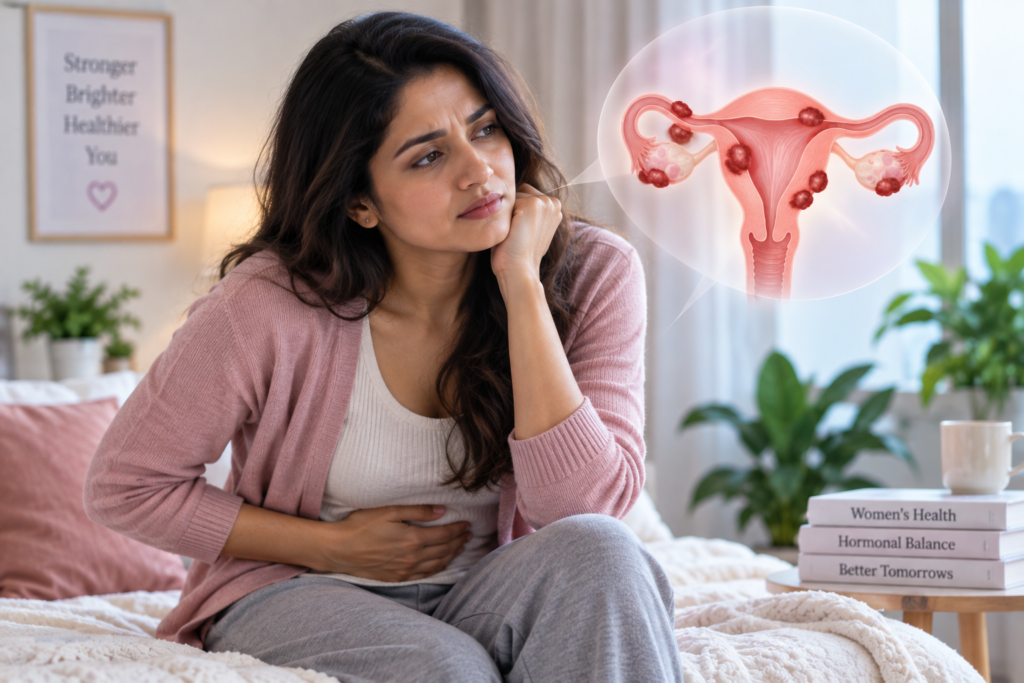
Endometriosis is a chronic condition, and symptoms can recur after surgery. Recurrence may mean return of pain, new lesions seen on imaging, or disease confirmed at another operation. These are not the same thing, which is why recurrent pain should not automatically be labelled recurrent endometriosis.
ESHRE guidance notes that definitions of recurrence vary widely and that other causes of pain, including adenomyosis or pelvic-floor dysfunction, should be considered, particularly when symptoms return soon after surgery. A careful reassessment is therefore more useful than assuming another operation is immediately required.
For a related clinical pathway, review endometriosis and fertility care.
You may also find fertility specialist useful when planning the next step.
What Does Endometriosis Recurrence Mean?
Recurrence can be symptom-based, imaging-based or surgically confirmed. A patient may have recurrent pelvic pain without a visible recurrent lesion, while another may have imaging evidence of an endometrioma with few symptoms.
This difference helps explain why studies report very different recurrence rates. Follow-up duration, disease stage, surgical technique and postoperative treatment all influence what is counted as recurrence.
Symptoms That May Suggest Recurrence
Possible symptoms include return of painful periods, chronic pelvic pain, pain during intercourse, bowel or bladder symptoms that follow the menstrual cycle, and fertility difficulty. Symptoms may resemble those that existed before surgery.
However, signs of endometriosis returning after surgery overlap with other pelvic disorders. Pain location alone cannot confirm the diagnosis.
Related guide: low AMH vs egg quality.
Why Pain Can Return Without Recurrent Endometriosis
Pelvic-floor muscle dysfunction, adenomyosis, adhesions, irritable bowel syndrome, bladder pain syndromes and nerve-related pain can produce similar symptoms. Postoperative scar tissue can also contribute.
ESHRE specifically advises considering other causes when symptoms recur, especially soon after surgery. Repeating surgery without reassessment can expose a patient to risk without treating the real cause.
How Is Suspected Recurrence Evaluated?
The clinician reviews symptoms, previous operative findings and histology, fertility goals and current examination. Ultrasound is often useful for ovarian endometrioma and deep disease in experienced hands, while MRI may be selected for complex cases.
Laparoscopy is no longer treated as an automatic first diagnostic step for every suspected case. Surgery is chosen when it is likely to improve pain, address anatomy or support another defined clinical goal.
For additional context, see IVF failure reasons.
Treatment Options After Symptoms Return
Treatment depends on symptoms and whether pregnancy is currently desired. Hormonal therapies can reduce endometriosis-associated pain but suppress ovulation during use. Surgery may be considered for selected recurrent disease, especially when symptoms, anatomy or organ involvement justify it.
For patients trying to conceive, repeated ovarian surgery must be weighed carefully against ovarian reserve and the possibility of IVF, particularly after endometrioma surgery.
Endometriosis, AMH and Fertility After Surgery
Ovarian endometriosis and ovarian surgery can both be relevant to ovarian reserve. AMH may help with treatment planning but does not provide a direct measurement of egg quality.
If fertility is a priority, the plan should consider age, ovarian reserve, tubal status, semen factors, duration of infertility and whether further surgery is likely to improve or delay the chance of pregnancy.
Endometriosis Treatment Hyderabad: When to Return for Review
Seek review if pelvic pain is progressively returning, periods become markedly more painful, bowel or bladder symptoms are cyclical, an ovarian cyst is found again, or pregnancy is not occurring as expected.
For endometriosis treatment Hyderabad planning, bring the previous operative note and histopathology report when possible. The details of the original disease and surgery often matter more than the label ‘endometriosis surgery’ alone.
Related Questions Patients Commonly Search
People researching this topic often use related phrases such as endometriosis recurrence symptoms, endometriosis after surgery, can endometriosis return after surgery, pelvic pain after endometriosis surgery, recurrent endometriosis, and endometriosis treatment Hyderabad. These phrases describe overlapping questions, but diagnosis and treatment should be based on the individual clinical situation rather than on a search term.
When to Speak With a Fertility Specialist in Hyderabad
A specialist review is useful when symptoms, test results, age, previous treatment or the length of time trying to conceive make the next decision unclear. Bring previous reports and ask what finding is driving the recommendation, what alternatives are reasonable, and how success will be measured.
You can review fertility investigations for more context.
When you are ready for an individual review, IVF treatment.
Practical Checklist Before Your Consultation
Before the appointment, use this checklist to turn online research into specific questions. It helps the clinician focus on findings that can change management and reduces the risk of ordering tests or procedures only because they are available.
- Are the returning symptoms the same as before surgery?
- Was the previous disease ovarian, deep, superficial or multi-organ?
- Is there new imaging evidence of an endometrioma or deep lesion?
- Could adenomyosis, pelvic-floor dysfunction, adhesions or another pain condition explain symptoms?
- How do age, AMH and pregnancy goals affect the choice between medical treatment, surgery and IVF?
Bring previous reports, medication lists and procedure records where relevant. Ask for the reasoning behind each recommendation, the alternatives, the expected benefit and the point at which the plan would be reconsidered.
Frequently Asked Questions
1. Can endometriosis come back after surgery?
Yes. Symptoms or lesions can recur after surgery because endometriosis is a chronic condition.
2. What are common recurrence symptoms?
Painful periods, pelvic pain, pain with intercourse, cyclical bowel or bladder symptoms and fertility difficulty may recur.
3. Does recurrent pain always mean endometriosis is back?
No. Adenomyosis, pelvic-floor dysfunction, adhesions and other pain conditions can cause similar symptoms.
4. Can ultrasound detect recurrent endometriosis?
It can identify ovarian endometriomas and some deep disease, especially when performed by an experienced examiner.
5. Is MRI always needed?
No. MRI is selected for specific clinical questions or complex disease.
6. Do I need another laparoscopy if pain returns?
Not automatically. Re-evaluation should establish whether surgery is likely to improve the problem.
7. Can hormonal treatment prevent recurrence?
Postoperative hormonal treatment can reduce recurrence of pain or disease in some patients not trying to conceive; the approach is individualized.
8. Can I take hormonal treatment if I am trying to get pregnant?
Many hormonal treatments suppress ovulation and are not used while actively attempting conception.
9. Can repeated ovarian surgery reduce AMH?
Ovarian surgery can affect ovarian reserve, so repeat surgery should be carefully weighed against fertility goals.
10. Does endometriosis reduce IVF success?
Endometriosis can influence fertility, but IVF remains an effective treatment option for many patients.
11. Can endometriosis cause miscarriage?
Some studies show associations with adverse reproductive outcomes, but miscarriage has many causes and should not automatically be attributed to endometriosis.
12. When should I see a fertility specialist after endometriosis surgery?
Earlier review is reasonable when age, ovarian reserve, tubal disease, male-factor infertility or prolonged attempts to conceive make time important.
Key Takeaway
The best use of information about signs of endometriosis returning after surgery is to improve the next clinical conversation. Use the article to understand the terminology and decision points, then confirm the diagnosis, evidence, risks and treatment options with the fertility team.
