What Is IVF? A Complete Guide to In Vitro Fertilisation

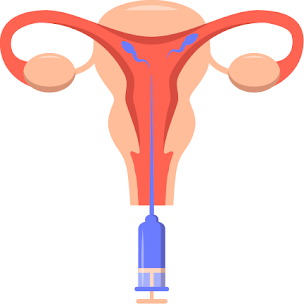
IVF, or in vitro fertilisation, is an assisted reproductive treatment in which eggs are collected from the ovaries and fertilised with sperm in a laboratory. One or more embryos may then be transferred to the uterus with the goal of achieving a pregnancy. IVF is used for many different fertility problems, so the exact plan can vary from one patient to another.
How Does IVF Work?
An IVF cycle usually involves several stages rather than one single procedure. Treatment generally begins with assessment of the couple or individual, including medical history, ovarian reserve testing where appropriate, ultrasound assessment, and semen analysis. Based on the findings, the fertility specialist plans an individual protocol.
For related treatment information, explore IVF treatment in Hyderabad and IVF cost in Hyderabad. These resources provide additional context for the treatment choices discussed in this guide.
1. Ovarian Stimulation
Fertility medicines may be used to encourage the ovaries to develop multiple follicles. During this stage, ultrasound scans and sometimes blood tests are used to monitor the response.
2. Trigger and Egg Retrieval
When the follicles are considered ready, a trigger medicine is used to help final egg maturation. Egg retrieval is then performed under medical supervision, typically with sedation or anaesthesia depending on the clinic protocol.
3. Fertilisation in the Laboratory
The retrieved eggs are combined with sperm in the embryology laboratory. Conventional IVF may be used, or ICSI may be recommended in selected situations, particularly when there is a significant male-factor issue or another clinical reason.
4. Embryo Culture
Fertilised eggs are monitored as they develop into embryos. The embryology team evaluates development and quality over the following days.
5. Embryo Transfer
A selected embryo may be transferred into the uterus. In some treatment plans, all suitable embryos are frozen and transfer is performed in a later cycle. The choice depends on the patient’s response, uterine lining, medical factors and the treatment plan.
6. Pregnancy Test
A blood pregnancy test is usually planned after the embryo transfer at a time recommended by the fertility team. Testing too early can produce confusing results.
For additional context, review Dr. Swapna Naik. You can also explore our Hyderabad locations to understand related options before discussing the next step with your fertility team.
Who May Be Advised IVF?
IVF may be considered for people with blocked or damaged fallopian tubes, significant male-factor infertility, endometriosis, reduced ovarian reserve, ovulation problems that have not responded to simpler treatment, unexplained infertility, or previous unsuccessful fertility treatment. It can also be used with donor eggs, donor sperm, fertility preservation and some forms of genetic testing when clinically appropriate.
IVF is not automatically the first treatment for every fertility problem. Some patients may benefit from ovulation induction, IUI, surgery, lifestyle changes or further investigations before IVF is recommended.
What Factors Influence IVF Success?
IVF success is individual. Important factors include age, ovarian reserve, egg and sperm quality, embryo development, uterine factors, the underlying cause of infertility, previous treatment history and laboratory conditions. Because success-rate figures can be reported in different ways, patients should ask whether a number refers to pregnancy rate, clinical pregnancy rate or live birth rate, and whether it is reported per cycle started, egg collection or embryo transfer.
Is IVF Painful?
Most people describe injections and monitoring as manageable, although discomfort varies. Egg retrieval is generally performed with sedation or anaesthesia. Some bloating, pelvic heaviness or cramping can occur during stimulation or after retrieval. Severe pain, breathing difficulty, rapidly increasing abdominal swelling or other worrying symptoms should be reported to the treating team promptly.
How Long Does an IVF Cycle Take?
The active treatment phase often takes several weeks, but the complete journey may be longer if pretreatment is required, embryos are frozen for later transfer, genetic testing is used, or more than one cycle is needed. Your doctor can give a more realistic timeline after evaluation.
IVF in Hyderabad: What to Ask Before Starting
If you are comparing IVF treatment in Hyderabad, ask about the doctor’s qualifications, embryology laboratory standards, how treatment is personalised, what is included in quoted costs, how success is reported, emergency support, embryo-freezing policies, and how many visits may be required.
Sree Swapna Fertility Centre provides fertility consultations at Kondapur and Attapur. A consultation can help determine whether IVF is appropriate for your diagnosis or whether another treatment may be more suitable.
If you would like advice based on your reports, age, diagnosis and treatment history, book a fertility consultation for an individual fertility assessment.
Frequently Asked Questions
1. What is IVF?
IVF, or in vitro fertilisation, is an assisted reproductive treatment in which eggs are collected from the ovaries, fertilised with sperm in a laboratory, and resulting embryo(s) may be transferred to the uterus.
2. Why is IVF done?
IVF may be considered for tubal disease, male-factor infertility, endometriosis, ovulation disorders, low ovarian reserve, unexplained infertility, genetic testing needs, or after other treatments have not worked.
3. How does IVF start?
Treatment usually begins with consultation, fertility testing, and a personalised plan before ovarian stimulation is started.
4. What happens during ovarian stimulation?
Hormone medicines are used to encourage several follicles to develop, with ultrasound and sometimes blood tests used for monitoring.
5. How are eggs collected in IVF?
Egg retrieval is a short procedure usually performed with sedation or anaesthesia, using ultrasound guidance to aspirate follicles from the ovaries.
6. How are eggs fertilised?
Fertilisation can occur by conventional insemination or by ICSI when clinically indicated.
7. What happens after fertilisation?
Embryos are cultured in the laboratory for several days and assessed for development before transfer or freezing.
8. How many embryos are transferred?
The number depends on age, embryo quality, treatment history, local guidance, and the goal of reducing multiple-pregnancy risk. Single-embryo transfer is often preferred when appropriate.
9. What is a frozen embryo transfer?
It is the transfer of a previously cryopreserved embryo in a later cycle after the uterine lining is prepared.
10. How long does one IVF cycle take?
The stimulation and retrieval phase usually spans a few weeks, but total time varies with pretreatment, testing, frozen transfer plans, and individual response.
11. Is IVF painful?
Most patients experience injections, bloating, and temporary discomfort. Egg retrieval is performed with pain control or sedation, and embryo transfer is usually brief.
12. What are the main IVF risks?
Risks include ovarian hyperstimulation, procedure complications, multiple pregnancy if more than one embryo is transferred, ectopic pregnancy, miscarriage, and emotional or financial stress.
13. Does IVF guarantee pregnancy?
No. Success varies with age, diagnosis, egg and sperm factors, embryo development, uterine health, and other clinical factors.
14. Does age matter in IVF?
Yes. Age, particularly egg age when using own eggs, is a major predictor of IVF outcome.
15. What is ICSI in IVF?
ICSI is a laboratory technique where a single sperm is injected into a mature egg. It is used for selected fertilisation problems and male-factor indications.
16. Can IVF use donor eggs or sperm?
Yes. Donor gametes may be considered when medically appropriate and legally available, with counselling and screening requirements.
17. Can embryos be genetically tested?
Preimplantation genetic testing may be considered in selected situations, but it is not necessary or beneficial for every patient.
18. What happens if no embryos are suitable for transfer?
The cycle may end without transfer. The fertility team should review egg maturity, fertilisation, embryo development, and possible next steps.
19. How many IVF cycles might I need?
There is no universal number. Some people succeed after one attempt while others require multiple cycles or a change in strategy.
20. How should I prepare for IVF?
Follow medical advice, optimise chronic health conditions, avoid tobacco and recreational drugs, discuss medicines and supplements, and understand the treatment schedule and costs.
21. When should I see an IVF specialist?
Consider consultation after an infertility evaluation suggests IVF, after other treatments fail, with blocked tubes or severe male factor, or when age or diagnosis makes delay important.
Next Step
To discuss whether IVF is suitable for you, book a fertility consultation with Sree Swapna Fertility Centre in Hyderabad.
Medical References
Important: This article is for general educational information and is not a substitute for individualized medical advice.