
Can You Get Pregnant Naturally With PCOS? Expert Insights and Tips
For many women, the journey to motherhood is straightforward. But if you have been diagnosed with Polycystic Ovary Syndrome (PCOS), staring at a negative pregnancy test month after month can feel heartbreaking and exhausting. You might be wondering if achieving a PCOS pregnancy naturally is even possible, or if you will immediately need fertility treatments to grow your family.
The reassuring truth is that a PCOS diagnosis is not an absolute barrier to motherhood. While the condition can make conception more challenging, many women with PCOS go on to have healthy, natural pregnancies with the right guidance and lifestyle adjustments.
In this comprehensive guide, we will explore the root causes of PCOS, how it impacts your fertility, and the actionable steps you can take to improve your chances of getting pregnant.
The Quick Answer: Can You Conceive Naturally?
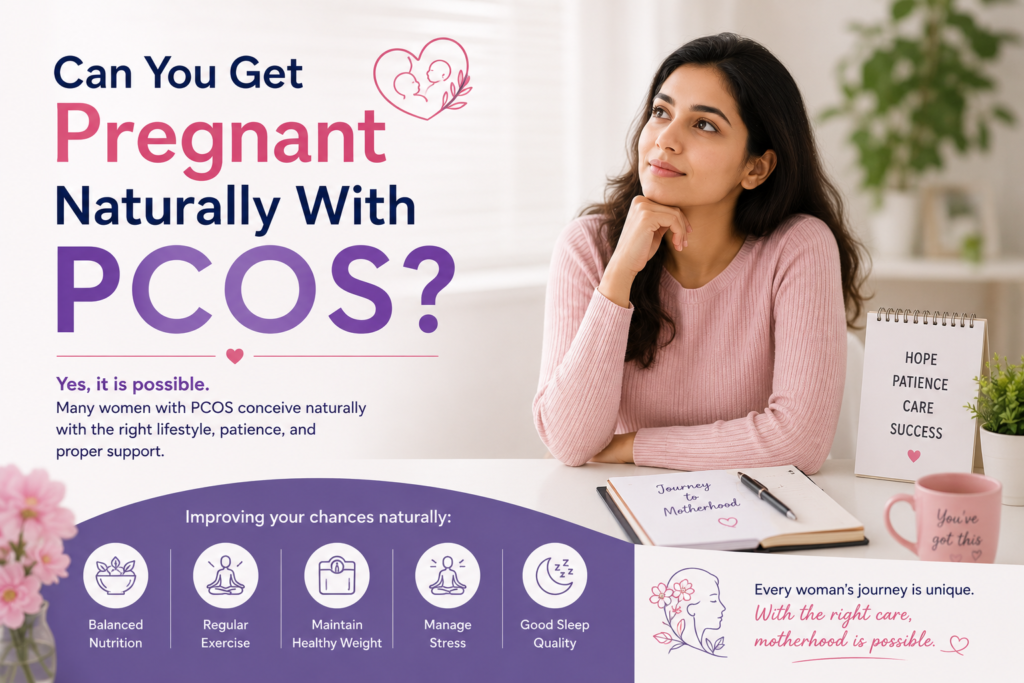
Yes, you can absolutely get pregnant naturally with PCOS. While Polycystic Ovary Syndrome often causes irregular ovulation, making it harder to time intercourse, many women conceive naturally by managing their weight, adopting a hormone-balancing diet, and tracking their fertile windows. If natural methods are unsuccessful, advanced fertility treatments offer excellent success rates.
Understanding PCOS and Fertility
PCOS is a common endocrine disorder affecting women of reproductive age. It causes a hormonal imbalance that disrupts the normal development and release of eggs from the ovaries (a process known as ovulation). When you do not ovulate regularly, it becomes significantly harder for sperm to fertilize an egg, leading to infertility struggles.
Common Symptoms
Recognizing the signs early can help you seek treatment sooner. Common symptoms include:
- Irregular, infrequent, or missing menstrual periods.
- Excess facial or body hair (hirsutism) due to elevated androgen (male hormone) levels.
- Unexplained weight gain or difficulty losing weight.
- Adult acne or oily skin.
- Thinning hair on the scalp.
What Causes PCOS?
While the exact cause of PCOS remains unknown, medical experts believe it is linked to a combination of factors:
- Insulin Resistance: Up to 70% of women with PCOS have insulin resistance, meaning their cells cannot use insulin properly. This prompts the body to produce more insulin, which in turn triggers the ovaries to produce excess male hormones.
- Low-Grade Inflammation: Research shows that women with PCOS often have systemic inflammation, stimulating the ovaries to produce androgens.
- Genetics: If your mother or sister has PCOS, your likelihood of developing the condition increases.
Risk Factors to Watch For
Certain risk factors can exacerbate PCOS symptoms and further impact your fertility. These include obesity, a sedentary lifestyle, and a family history of diabetes or infertility.
Diagnosis: How Do We Confirm PCOS?
If you suspect you have PCOS, a prompt medical diagnosis is your first step toward achieving a healthy pregnancy. Your fertility specialist will typically perform:
- A Detailed Medical History: Reviewing your menstrual cycles and weight changes.
- Blood Tests: Measuring hormone levels (including androgens) and checking for insulin resistance.
- Pelvic Ultrasound: Checking your ovaries for multiple small follicles (cysts) that are typical of PCOS.
Treatment Options for a PCOS Pregnancy
If you are trying to conceive with PCOS, a stepped approach is usually best. We always begin with the most natural, least invasive methods before moving to advanced medical interventions.
Non-Surgical Treatments and Lifestyle Changes
For many women, simple daily habits are enough to restore ovulation and achieve a natural pregnancy.
- Weight Management: Losing just 5% to 10% of your body weight can dramatically improve insulin resistance, balance hormones, and restore regular ovulation.
- Dietary Adjustments: Focus on a low-glycemic diet rich in whole grains, lean proteins, and leafy greens to prevent insulin spikes.
- Regular Exercise: Moderate daily activity, such as brisk walking or yoga, helps your body process insulin more effectively.
- Ovulation Tracking: Because periods are irregular, using ovulation predictor kits (OPKs) or tracking your basal body temperature can help you identify your exact fertile window.
Medical and Advanced Fertility Treatments
When lifestyle changes are not quite enough to trigger ovulation, medical intervention is highly effective.
- Ovulation Induction: Oral medications like Letrozole or Clomiphene (Clomid) are often prescribed to stimulate the ovaries to release an egg.
- In Vitro Fertilization (IVF): If medications do not work, or if there are additional factors (like male infertility), IVF is the gold standard. During IVF, mature eggs are retrieved, fertilized in a lab, and safely transferred to the uterus.
Prevention Tips for Managing PCOS
While you cannot entirely prevent PCOS, you can prevent the symptoms from taking over your life and fertility.
- Maintain a healthy, stable weight.
- Prioritize a balanced, nutrient-dense diet.
- Limit processed sugars and refined carbohydrates.
- Manage daily stress through mindfulness or meditation, as high cortisol can worsen hormonal imbalances.
The Benefits of Early Treatment
Time is a crucial factor in fertility. The greatest benefit of seeking early treatment for PCOS is gaining a clear, personalized roadmap. Early intervention helps prevent long-term complications of PCOS, such as Type 2 diabetes and endometrial issues, while significantly reducing the emotional toll and time spent trying to conceive without success.
When to See a Doctor?
If you are under 35 and have been trying to conceive for a year without success—or if you are over 35 and have been trying for six months—it is time to see a specialist. Furthermore, if your periods are highly irregular or absent, do not wait. Early consultation with a fertility expert is vital.
Why Choose Sree Swapna Fertility Centre?
When you are navigating the complexities of infertility, choosing the right medical partner makes all the difference. Recognized widely as the Best IVF Centre in Hyderabad, Sree Swapna Fertility Centre combines state-of-the-art reproductive technology with deeply compassionate care.
Whether you are located in the heart of the city or looking for the Best IVF Centre in Kondapur or the Best IVF Centre in Attapur, our clinics provide seamless access to world-class fertility treatments. We understand that every patient’s body is different. Our fertility specialists take the time to create customized treatment protocols designed specifically for your unique hormonal profile.
Treatment Comparison
Approach | Best For | Medical Intervention Required? |
|---|---|---|
Natural Conception | Mild PCOS, younger patients, consistent ovulation | No (Lifestyle changes only) |
Ovulation Induction | Irregular ovulation, healthy fallopian tubes | Low (Oral medications) |
IVF Treatment | Severe PCOS, older age, combined infertility factors | Yes (Advanced laboratory procedures) |
Doctor Consultation & Expert Care
Do not let a PCOS diagnosis convince you that motherhood is out of reach. Our expert fertility specialists at Sree Swapna Fertility Centre have decades of combined experience helping women overcome complex hormonal challenges to achieve their dreams of starting a family. From your initial diagnosis to the day you hold your baby, we are with you at every step.
Frequently Asked Questions (FAQs)
Q1: How long does it usually take to get pregnant with PCOS?
A: The timeline varies for everyone. With lifestyle changes and regular ovulation, conception can happen within a few months. If medical treatments like ovulation induction or IVF are required, it may take 3 to 12 months, depending on how your body responds to the protocol.
Q2: Is a PCOS pregnancy considered high-risk?
A: Women with PCOS do have a slightly higher risk for pregnancy complications such as gestational diabetes, preeclampsia, and premature delivery. However, with careful monitoring by your doctor, most women go on to deliver healthy babies.
Q3: What is the best diet for a PCOS pregnancy?
A: A low-glycemic diet is highly recommended. Focus on whole foods, fiber-rich vegetables, lean proteins, and healthy fats while strictly avoiding refined sugars and processed carbohydrates to keep insulin levels stable.
Q4: Can I try IVF if I have PCOS?
A: Absolutely. In fact, IVF is one of the most successful treatment options for women with PCOS who have not had success with natural conception or basic ovulation medications.
Q5: Will losing weight cure my PCOS?
A: While there is no definitive “cure” for PCOS, losing even 5% to 10% of your body weight can drastically reduce symptoms, regulate your menstrual cycles, and naturally restore your fertility.
Conclusion
Navigating fertility challenges can feel incredibly isolating, but you are not alone on this path. A PCOS diagnosis simply means your journey might require a slightly different route. By understanding your body, making proactive lifestyle changes, and partnering with experienced fertility specialists, a healthy, beautiful pregnancy is highly achievable. Don’t wait to get the answers and support you deserve.
Ready to Start Your Family? Let Us Help.
Take the first step toward a successful pregnancy today. Book a consultation with the leading fertility experts at Sree Swapna IVF. Our compassionate team is ready to design a personalized treatment plan just for you.
Call us now to book your appointment and for any queries:
📞 7670804424
